A radiant barrier is only as good as its seams
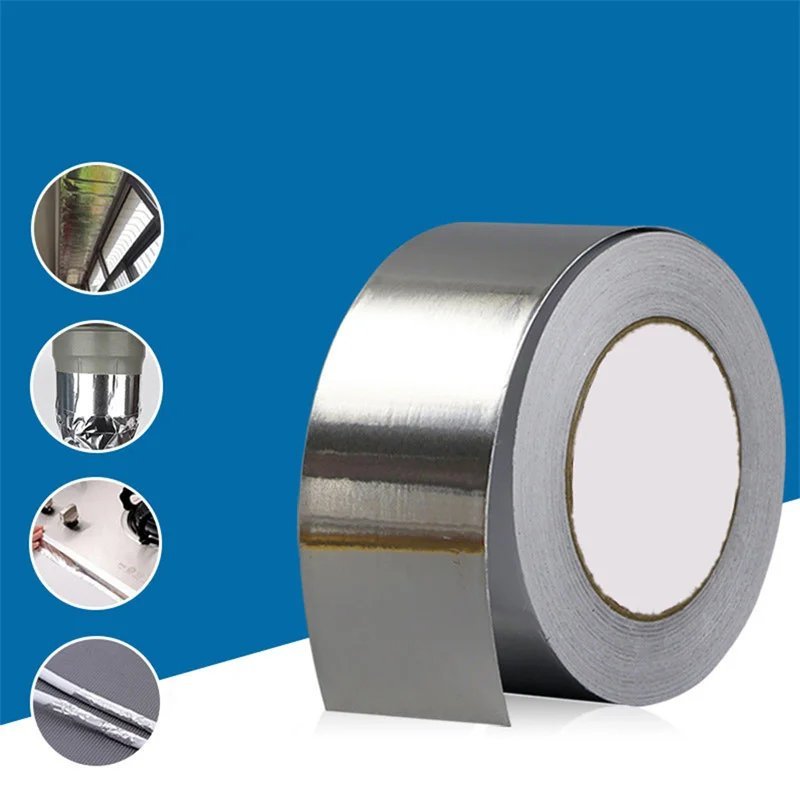
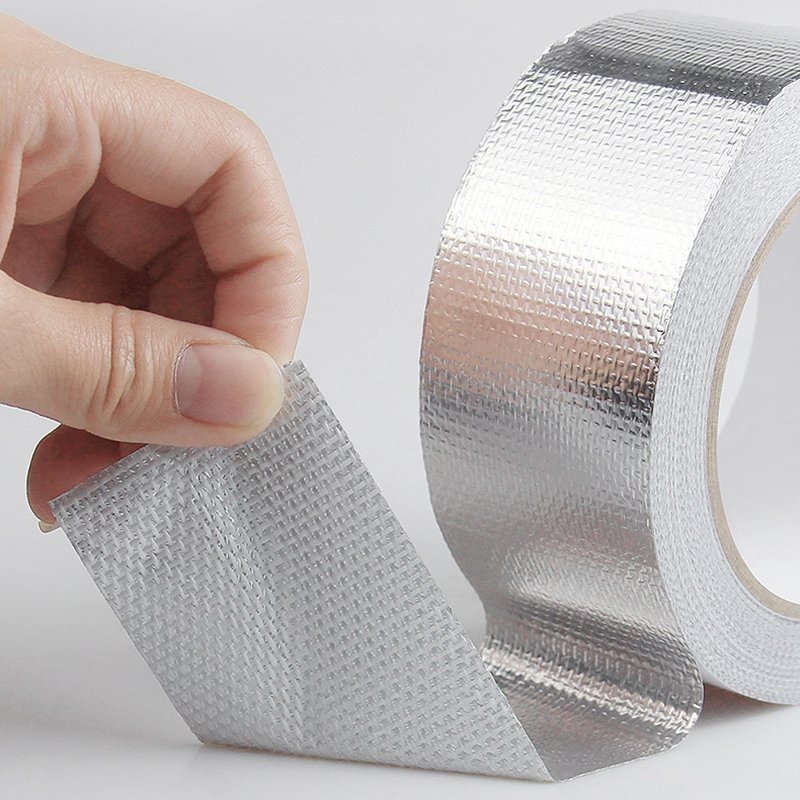
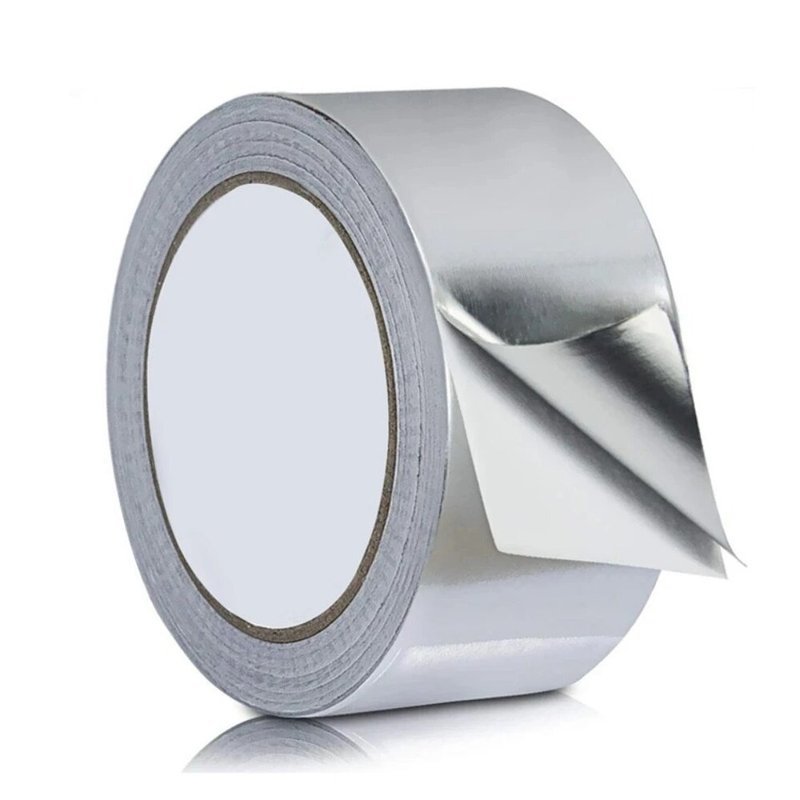
Foil radiant barrier works by reflecting heat radiation across an air space, and every gap in the surface leaks radiation straight through. Panels are stapled to rafters with overlapping joints, and those joints need tape to restore the continuous reflective plane. On foil-faced insulation boards, the same tape seals the facing and protects the foam edge.
Attics are a harsh place for an adhesive: surface temperatures above 60 degrees Celsius in summer, dust, and often rough sawn timber. A solvent acrylic adhesive on a 0.05 mm foil carrier handles that cycle better than a rubber adhesive, which softens and creeps in sustained heat.
Overlap, staple, then tape
Run the panels with a 50 mm overlap and staple through both layers at 150 mm centres, then tape across the joint. Taping before stapling usually ends with staples punching through the tape and leaving a row of holes. Roll the tape down with a squeegee so it conforms to the timber beneath.
- Clean dust off the foil facing before taping, or the bond is cosmetic
- Keep tape 25 mm away from a flue or chimney; use a listed component there
- Use perforated foil where the assembly must stay vapour permeable
- Seal pipe and cable penetrations with a foil patch, not a wrap of loose tape
The trap with radiant barrier is double barriers. Sealing a ceiling on both sides with impermeable foil can trap moisture in the structure, so check the assembly design before taping every joint. Tape seals the barrier you have; it does not fix a wall or roof build-up that cannot dry.
Rolls are normally 50 m at 50 mm to 100 mm, with 24 rolls per carton. For a retrofit contractor, a 48 mm core and a sharp cutter edge matter, since the work is done overhead and a torn roll wastes more time than it saves.