
Window flashing tape for leak-proof rough openings
How to detail a sill pan with flashing tape, including shingle-lap sequence, corner treatment and the width that suits typical frame depths.
Read the articleRepair tape is bought for one reason: it has to work on a surface that is already wet or already damaged. The core of this range is butyl rubber with an aluminium foil face for roof leaks, wall cracks and window sills, and bitumen flashing membrane for joints and driveway cracks where a thicker, heavier layer is wanted.
Self-fusing silicone tape covers pipework — it bonds to itself rather than to the pipe, so it seals without adhesive residue on a wet line. The same range carries window screen repair tape cut for mosquito mesh, door gap seal strips and drain filter stickers that share the waterproof acrylic adhesive platform.
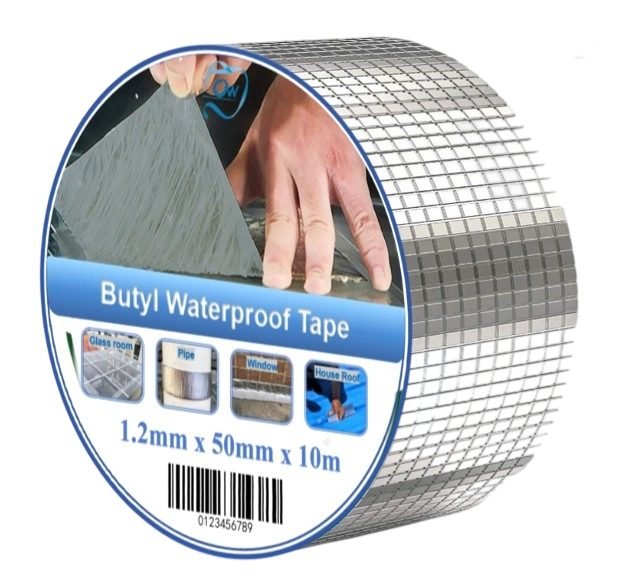


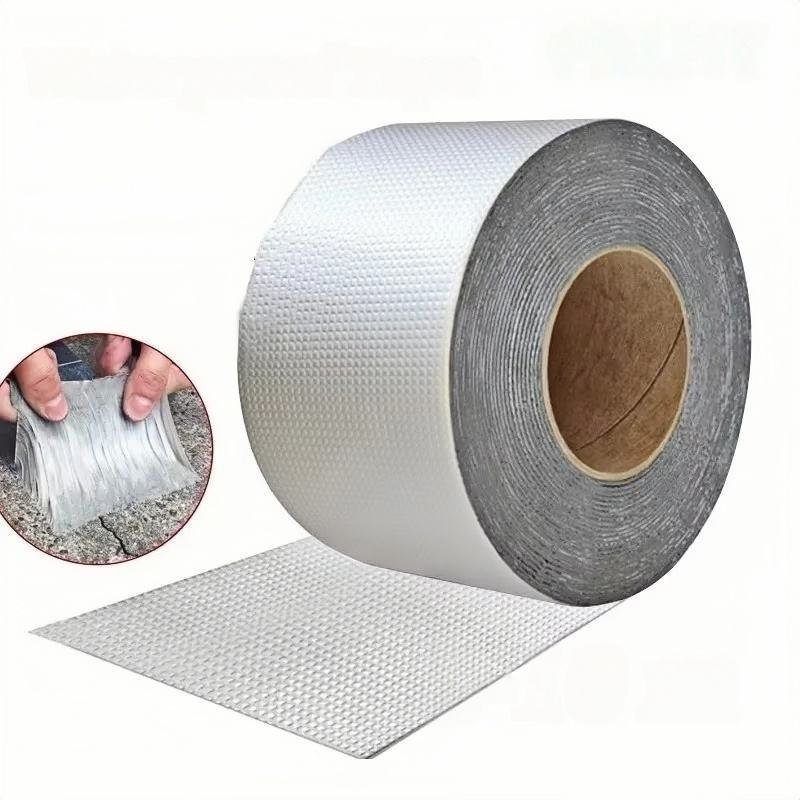
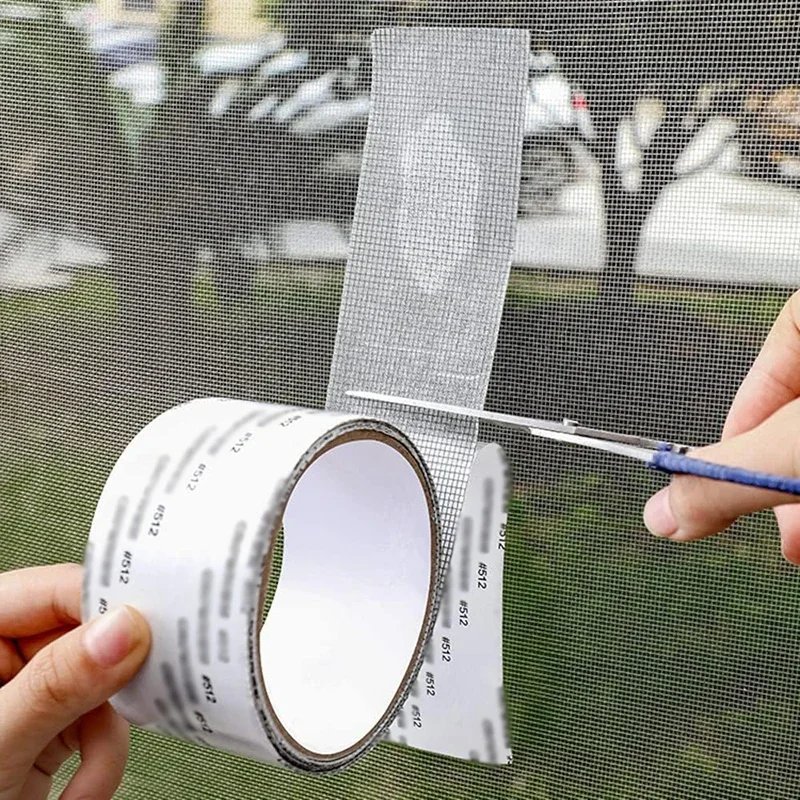
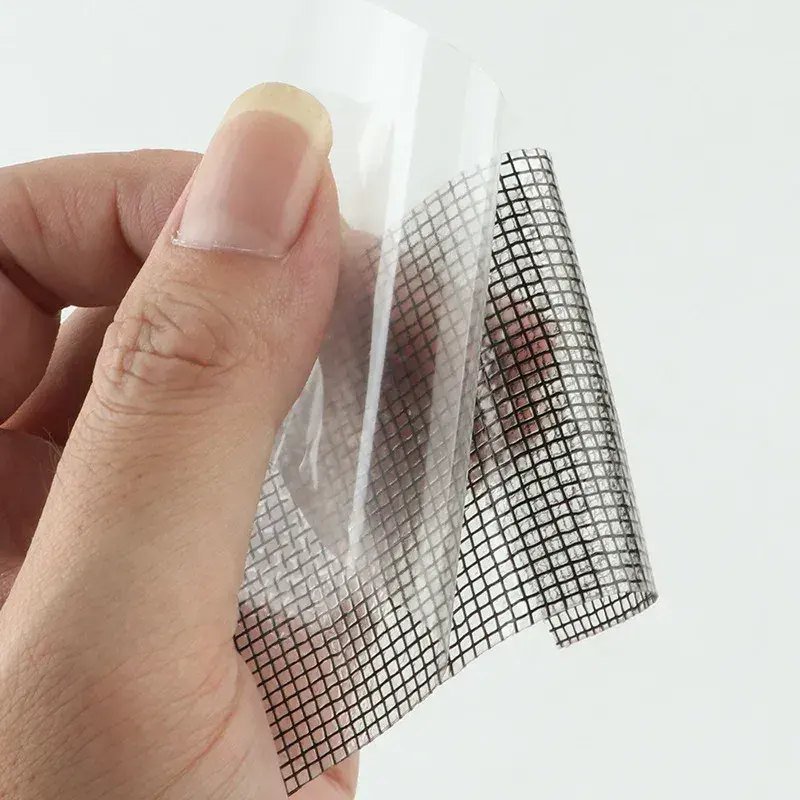

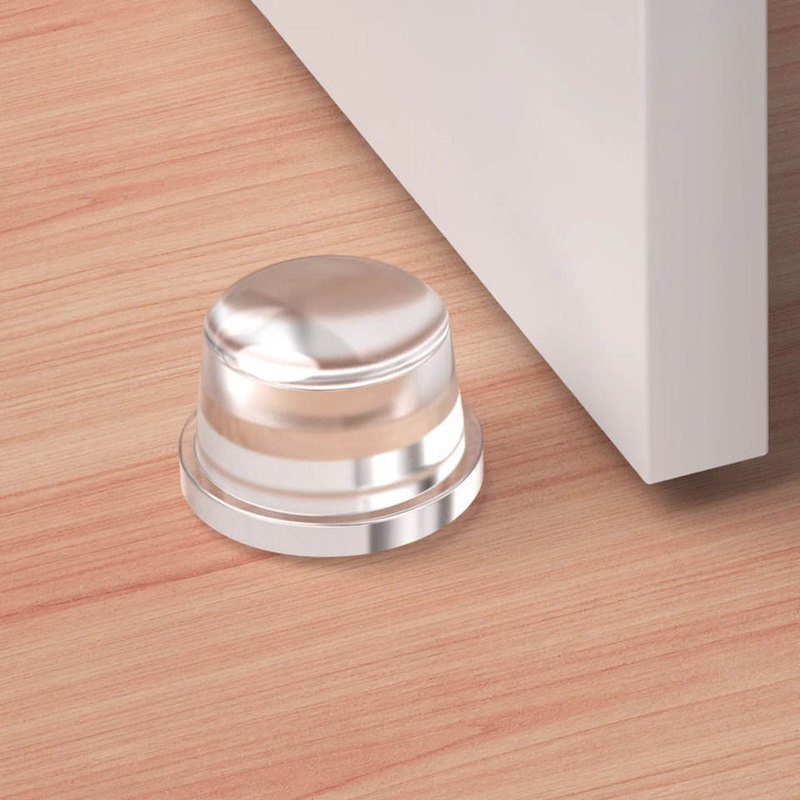

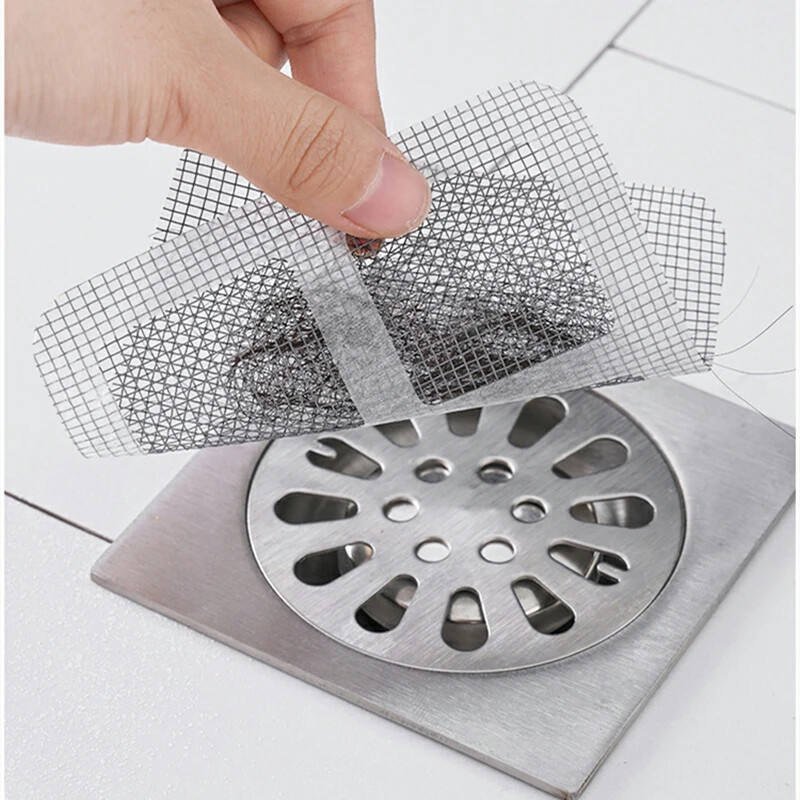
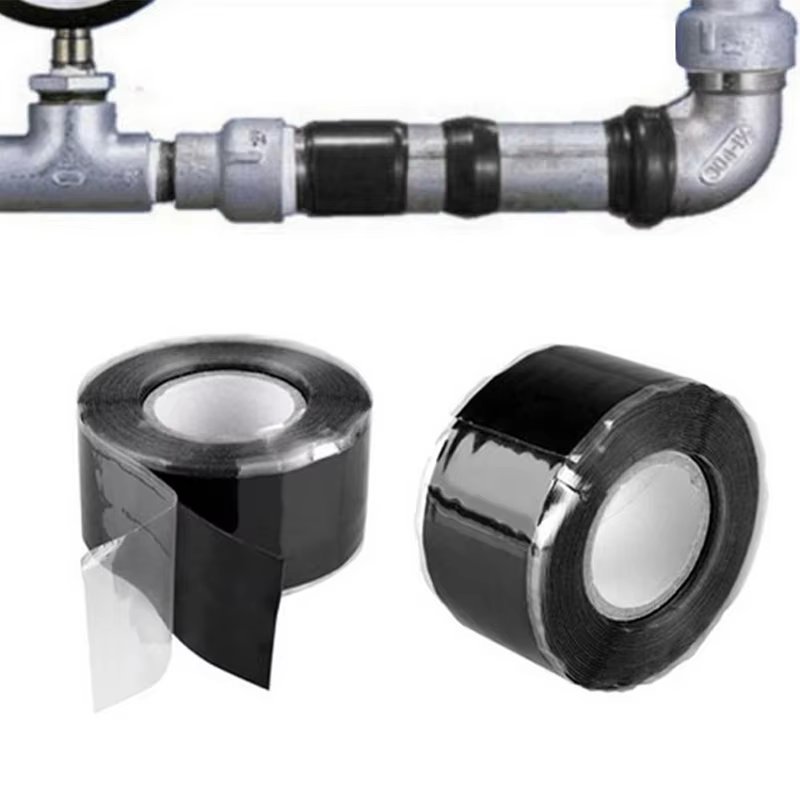
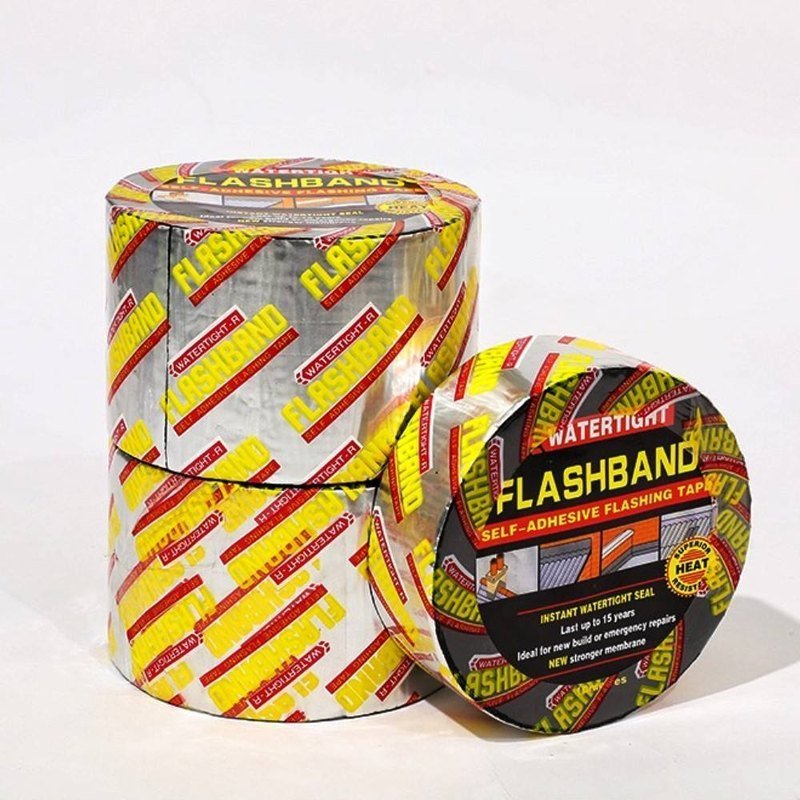
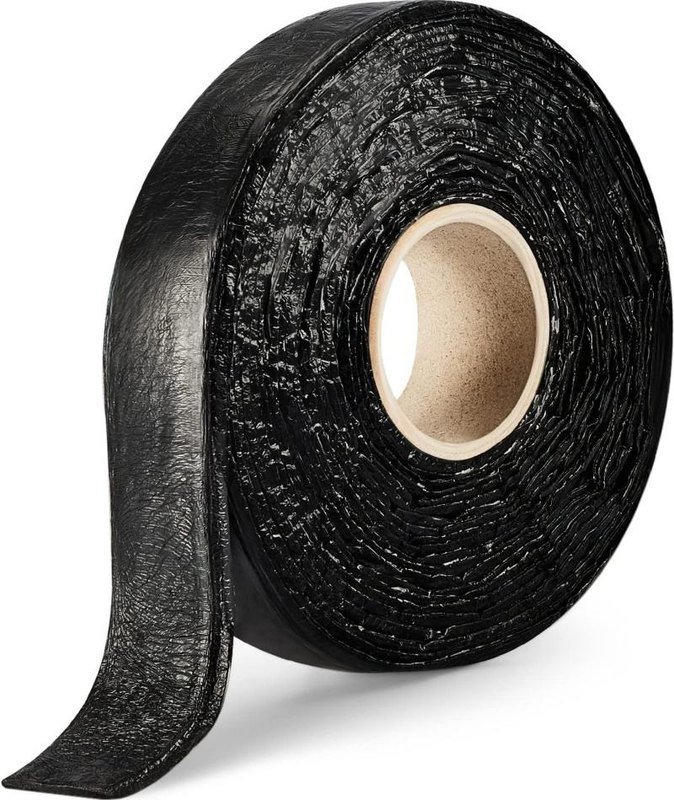
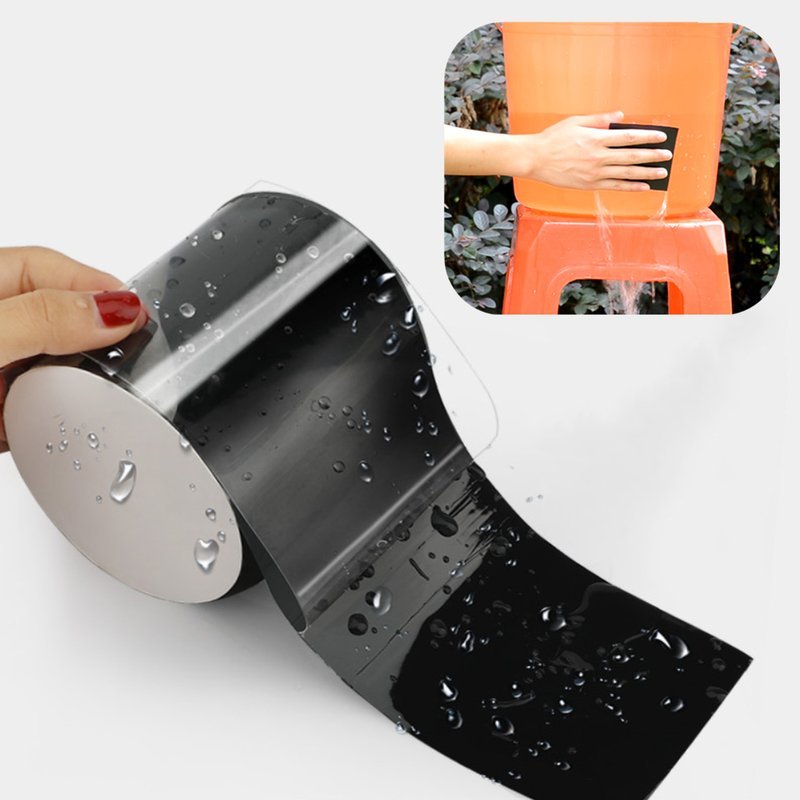
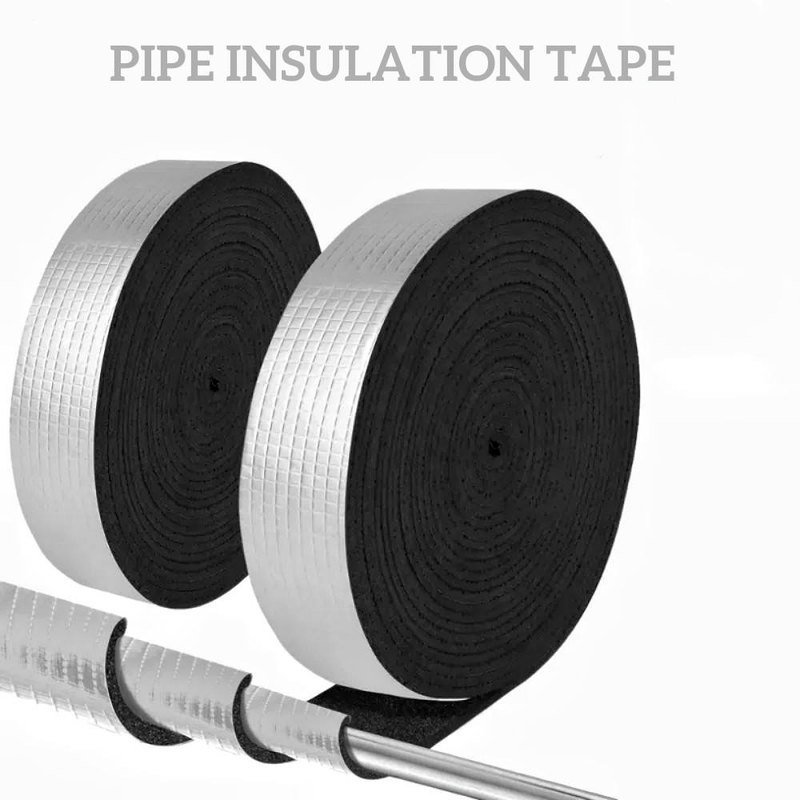
Butyl and bitumen grades are the ones specified for damp repairs; silicone self-fusing tape is used on wet pipework because it bonds to itself rather than to the substrate.
Butyl is the conformable foil-faced grade for cracks and sills; bitumen is the heavier membrane used for flashing bands and driveway joints.
The range lists both roll formats and cut patches — the window screen and drain products are sold as ready-cut pieces.
How to detail a sill pan with flashing tape, including shingle-lap sequence, corner treatment and the width that suits typical frame depths.
Read the articleEmergency repair tape buys time; the right repair tape buys a season. The difference is in substrate, adhesive and how the surface was prepared.
Read the articleHow to patch a leaking vinyl pool liner below the waterline, including surface prep, overlap sizing and why chlorine residue ruins adhesion.
Read the articleTell us the tape type, width, length, adhesive and annual volume. We will come back with pricing, sample arrangements and an indicative production schedule.