Two different ways to hold a load
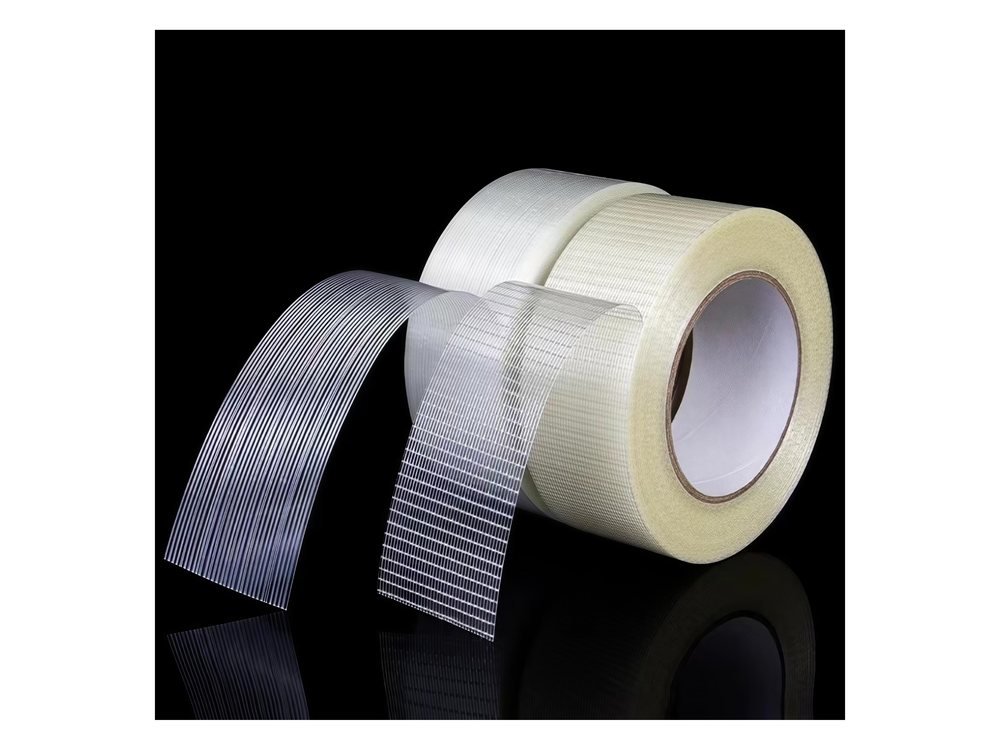
Filament tape is a PET film reinforced with continuous glass yarns, coated with a pressure-sensitive adhesive. The yarns carry tensile load along the tape, and the adhesive transfers that load into the surface it touches. Strapping works differently: it forms a closed loop under tension and relies on the seal or buckle, not on adhesion.
That distinction explains where each system wins. Tape distributes load across a wide contact area and cannot cut into a soft or painted surface. Strapping concentrates force on a narrow band and needs edge protectors on anything with a sharp corner.
Where tape is the better choice
For coils, bundles and machined parts that must arrive without marks, filament tape is often the practical option. It will not scratch a ground surface, it applies without tensioning tools, and it can be cut away in seconds with a protected blade. Removal generates no scrap metal and no buckle to lose.
- No metal band, so no edge marking on finished parts
- Applies by hand or with a low-cost dispenser
- Removes quickly with no tools
- Good for short transit and in-plant movement
Strapping still wins on very heavy loads, long sea freight and anything requiring a certified closed loop. Many plants use both: strapping for the structural hold, filament tape to keep wrapping and edge protection in place.
On loads above roughly one tonne, or where the bundle must survive weeks at sea, strapping remains the safer structural choice. Filament tape then takes a supporting role, holding wrapping, edge protection and labels in place. Treating the two as partners rather than competitors usually gives the lowest total packaging cost.