What humidity does to a roll
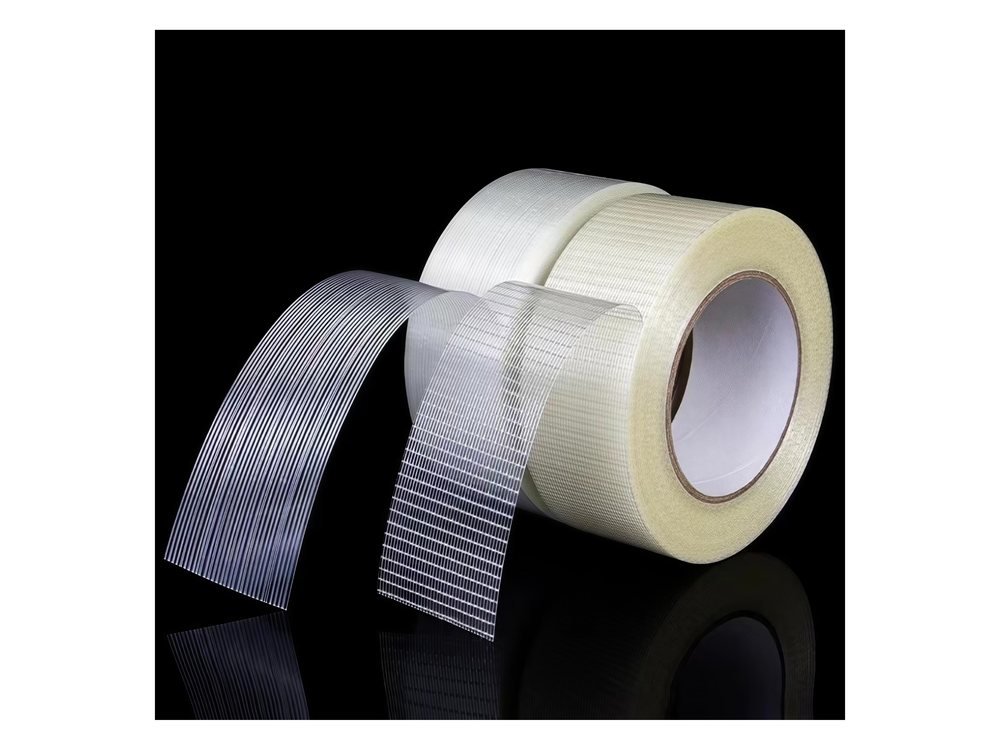
Filament tape is a composite of glass yarn, PET film and adhesive, and each responds to moisture differently. The glass does not absorb water, but the sizing that bundles the filaments can, and the paper core will swell. A swollen core makes the roll eccentric, which shows up as tension variation and wandering tape on a dispenser.
Adhesive is the more sensitive layer. Moisture at the bond line lowers surface energy and can cause the adhesive to cloud or lose tack, especially on rubber-based grades. A roll that has sat in an unventilated container for a month may look perfect and still fail on the first carton.
Storage rules for tropical and coastal sites
Keep stock between 5C and 30C with relative humidity below 60 percent, off the floor and away from outside walls where condensation forms. Do not store near dock doors, and never leave a pallet under a translucent roof where the surface temperature swings through the day.
- Keep rolls in the original shrink or carton
- Stack no higher than 1.8m to avoid core distortion
- Rotate first in, first out, and label receipt dates
- Allow 24 hours to acclimatise after cold transport
Write the production date on every carton when it arrives. Twelve months is a reasonable working life in good conditions, and a date mark turns a vague quality argument into a simple stock rotation decision.
If tape has already been stored badly, do not scrap it without a test. Cut a strip from the outer layers, apply it to a carton under normal tension and leave it overnight. Rolls that pass can go back into production with a shorter rotation window; rolls that fail should be returned to the supplier with the batch number.