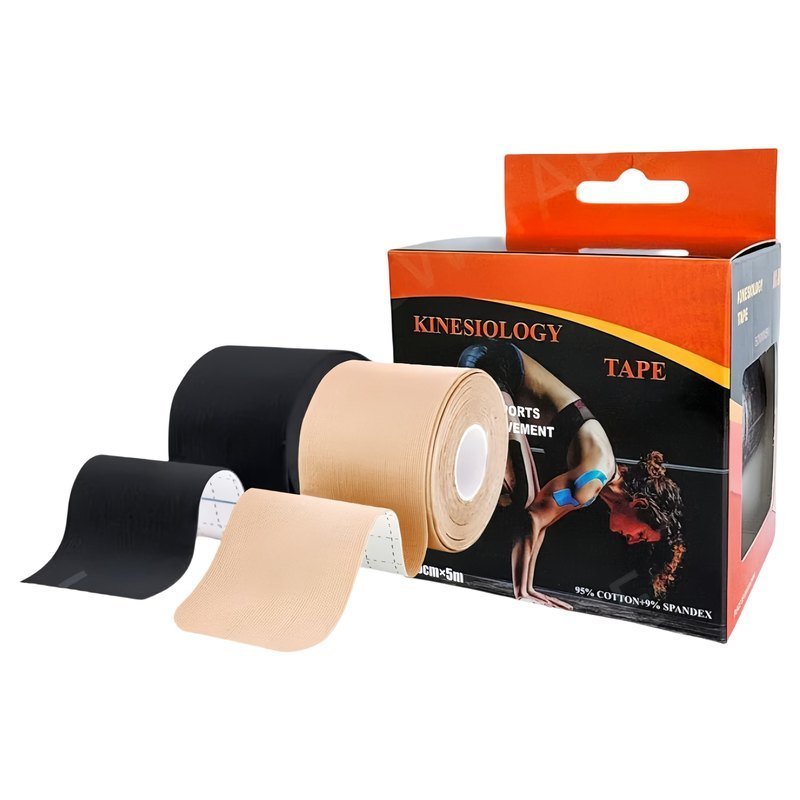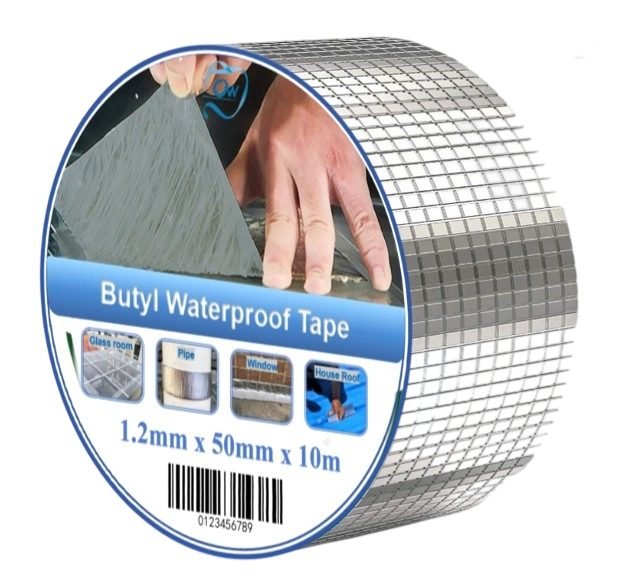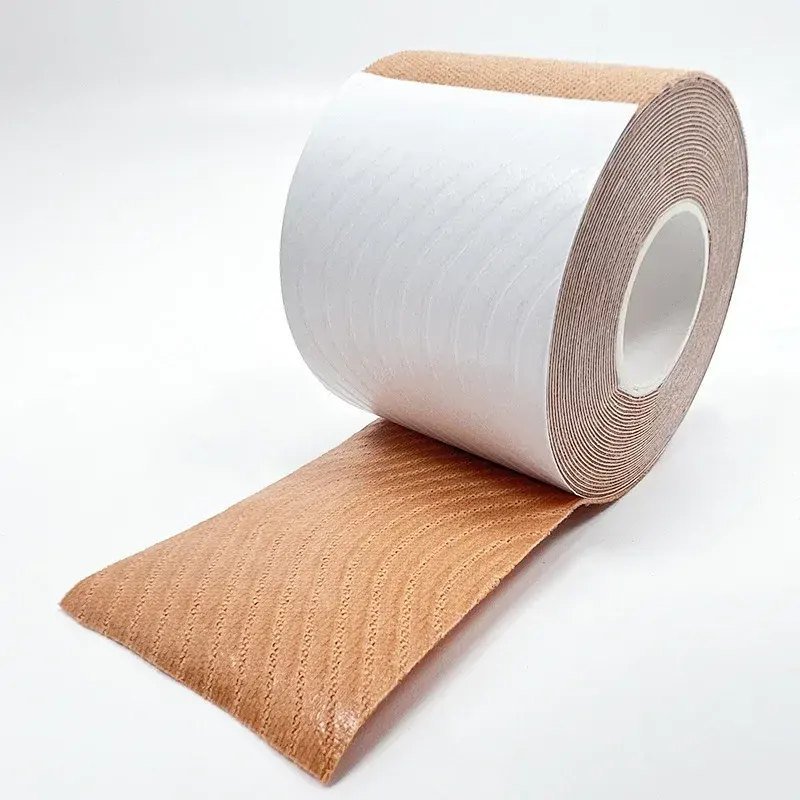

Most grip tape peeling at edges starts when the wrap is pulled too hard at the top of the handle. Stretching a 0.6 mm overgrip by more than about ten percent thins the backing and stores elastic energy, which pulls the finishing edge back as the tape relaxes. The fix is simple: wrap with light, even tension and let the adhesive do the holding, then press the finishing tape down for a few seconds.
Contamination at the bevels
Handles collect rosin, sunscreen and hand lotion, and all three leave a film that a pressure-sensitive adhesive cannot wet out. Wiping with a dry cloth moves the film around rather than removing it. Isopropyl alcohol on a lint-free cloth, followed by a full dry, gives the adhesive a surface it can bond to.
- Over-stretching at the start and finish of the wrap
- Handle not degreased before application
- Finishing tape applied over a dusty or wet surface
- Adhesive too soft for the storage temperature, causing migration
When the adhesive itself is the cause
A grip tape stored above 35 degrees Celsius for weeks can show adhesive squeeze at the roll edges. That squeeze picks up dust in the warehouse, and the contaminated edge never bonds. Soft acrylic formulas are more prone to this than rubber, but rubber offers higher initial tack. Buyers should match the adhesive to the climate of the destination market, not to the factory floor.
Catching it before shipment
A simple press test is enough for most quality checks: apply a 200 mm strip to a clean handle, press twice with a 2 kg roller, and inspect the edges after 24 hours at room temperature and again after four hours at 40 degrees. Any lifting, curling or adhesive transfer should trigger a batch review. Ask suppliers for the test method in writing so results are comparable between shipments.