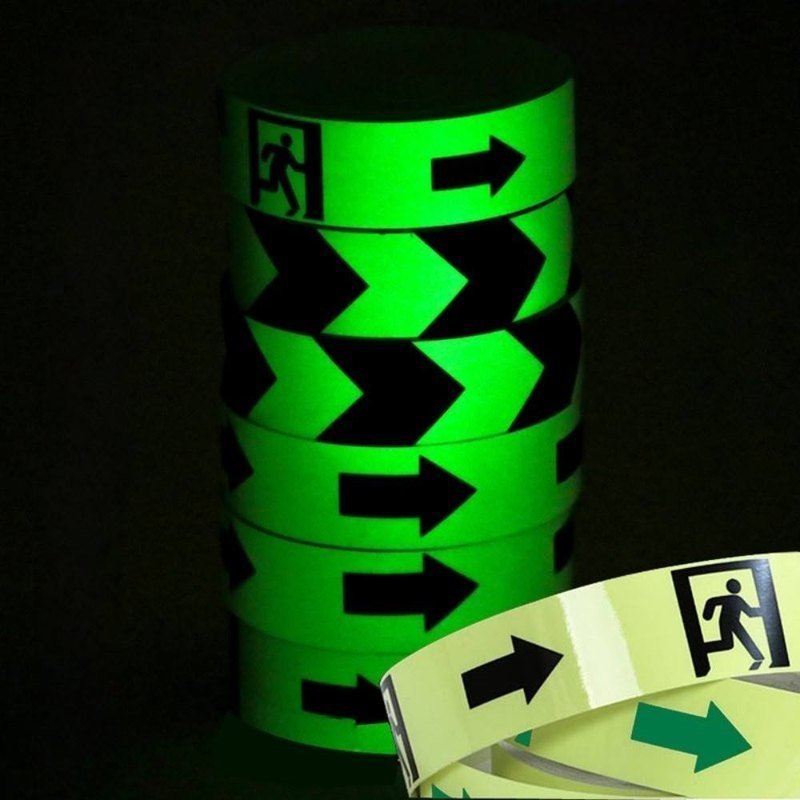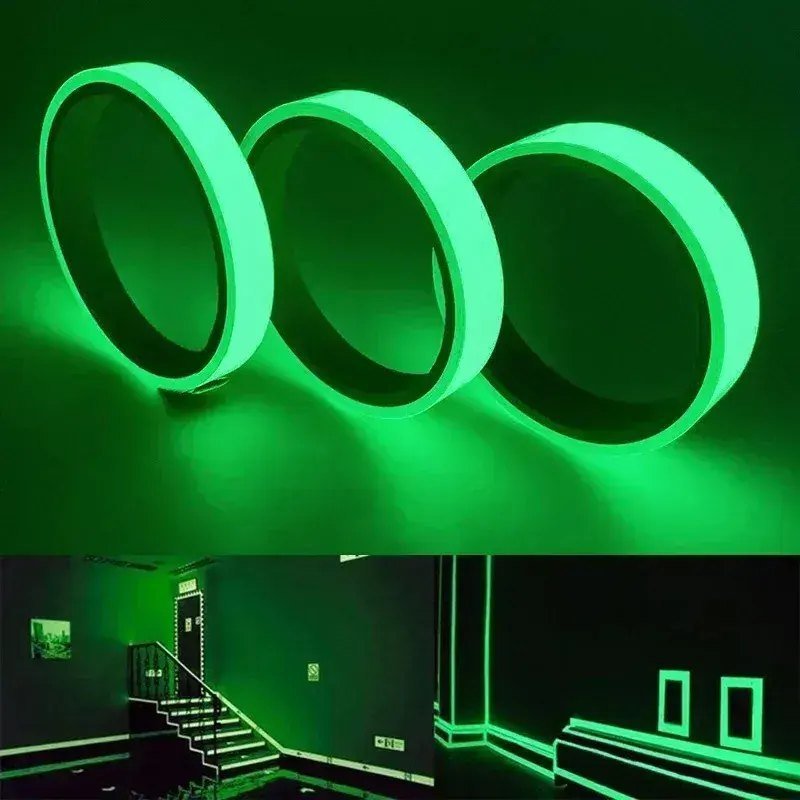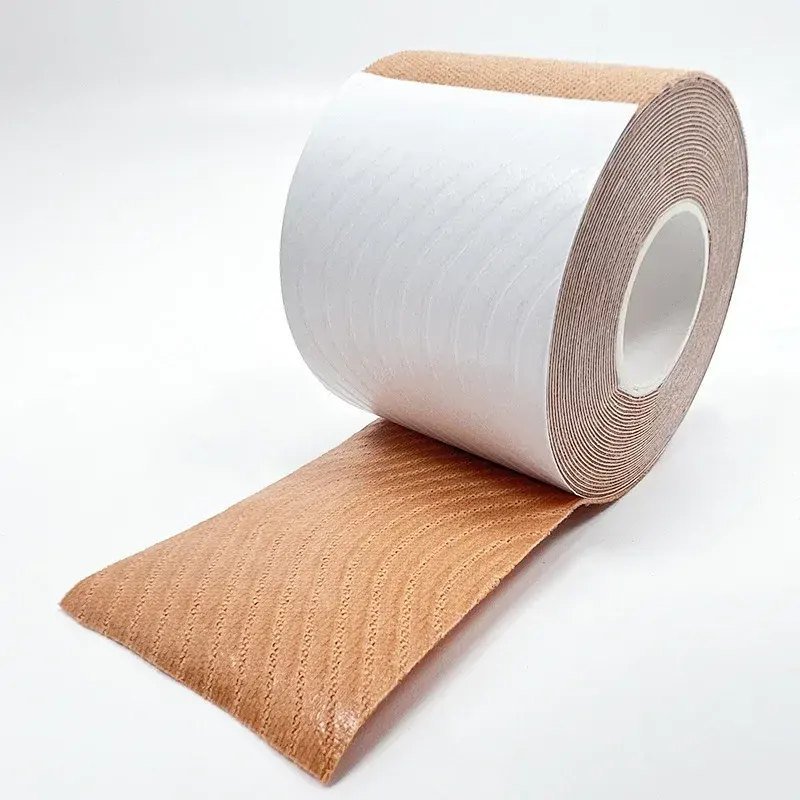

A photoluminescent pigment does not wear out quickly, but the surface above it does. When glow in the dark tape is not glowing, dust, floor finish, oil mist and paint overspray usually block the light that charges the pigment and the light it emits. A strip that has become dull grey usually recovers most of its performance after a wipe with a damp, non-abrasive cloth.
Charge light and surface colour
Tape in a stairwell with dim emergency lighting will never reach full brightness, and tape on a dark-painted wall reads dimmer than the same product on white. If a facility has reduced its lighting to save energy, luminous markings that were adequate at commissioning may no longer meet their intended role. Review the lighting before replacing the tape.
- Dust and floor finish on the surface
- Insufficient ambient light for charging
- Direct sunlight or heat ageing the backing
- Adhesive failure allowing moisture behind the strip
Adhesive failure looks like glow failure
When an edge lifts, water and dirt migrate behind the tape and the whole strip can cloud from the back. The glow then appears patchy, which is often mistaken for pigment degradation. Check the edges before assuming the product has faded, and replace the affected section rather than adding a new strip on top.
Realistic service life and replacement
Indoor tape in a clean, well-lit area can remain effective for years, while outdoor tape exposed to UV and washdown may need replacement far sooner. Set an inspection interval based on the environment rather than a fixed number, and keep one spare roll from the same batch so replacement sections match in brightness and colour.