
Two colour systems, one shelf
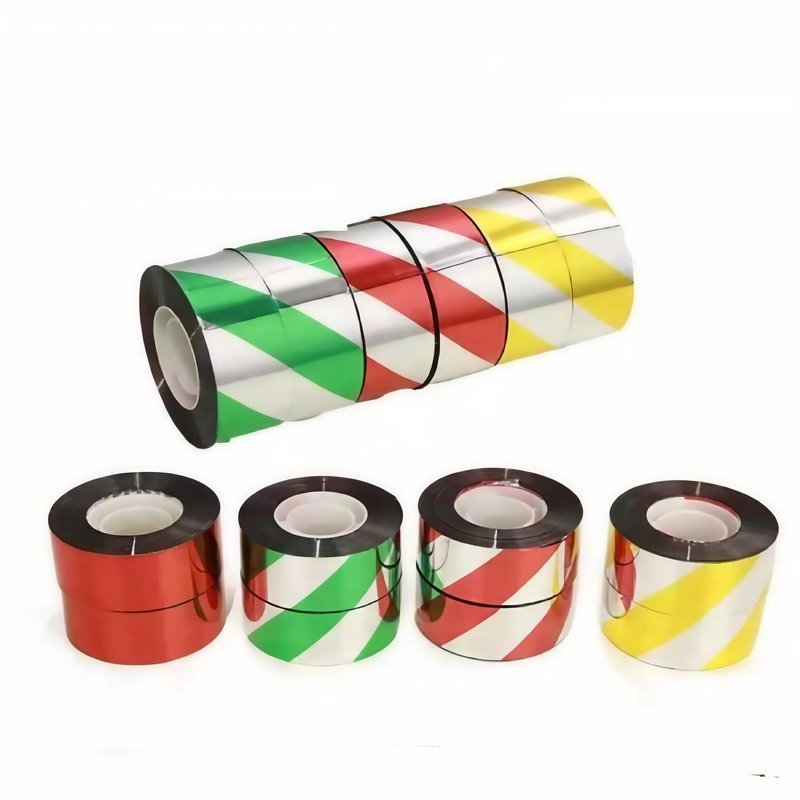
Warning tape follows two different conventions, and mixing them causes confusion. Workplace safety marking uses the ANSI Z535 family, where red means danger, orange means warning, yellow means caution, green means safety and blue means notice. Buried utility marking uses the APWA palette, where the colour identifies the service rather than the severity.
A buyer ordering yellow for a factory floor and yellow for a gas trench is technically buying the same colour for two unrelated purposes. That is fine for the film, but the legend printed on it must differ, which is why legend text belongs on the purchase order and not on a verbal instruction.
What each colour signals
- Red: fire equipment, prohibition, danger, stop
- Yellow: physical hazards, trip points, caution, gas lines underground
- Orange: warning-level hazards, communications and fibre routes
- Green: safe routes, first aid, emergency egress, sewer lines
- Blue: mandatory action notices, water mains
- White: proposed excavation limits, and often walkway edges indoors
Shade consistency is a real specification issue, not an aesthetic one. Two suppliers can both call a film yellow while one is lemon and the other is amber, and a site that mixes them looks careless. Ask for a colour reference or a physical swatch approved against the previous order.
For export, confirm whether the customer needs ANSI, ISO or a local utility code, then print the legend accordingly. Tape is generally 75 mm wide on 250 m to 500 m rolls, with a minimum order set per colour and legend combination, since each legend requires a separate print run.