What carpet work demands from a tape
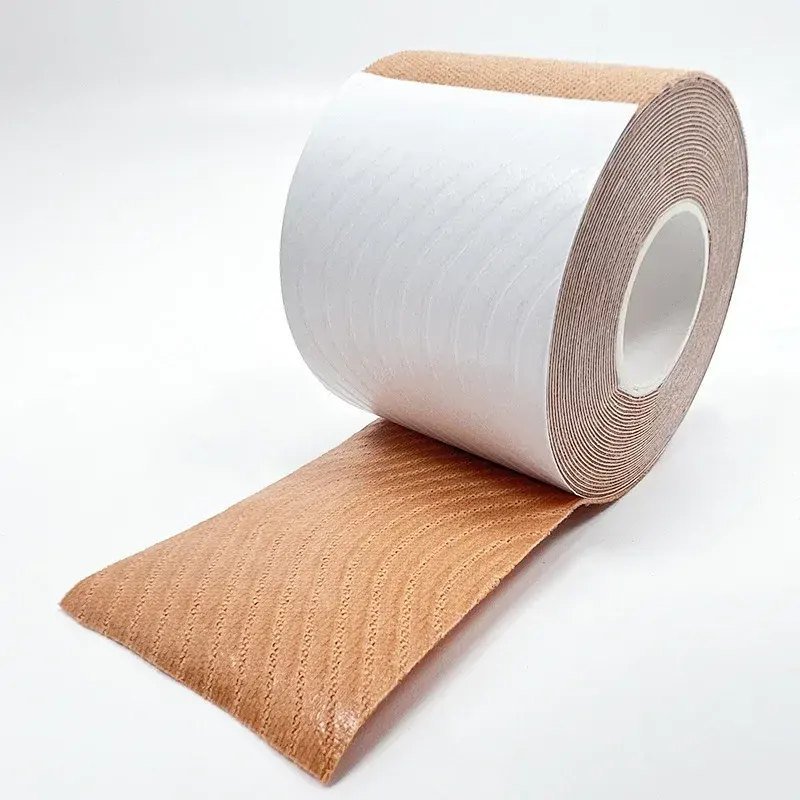
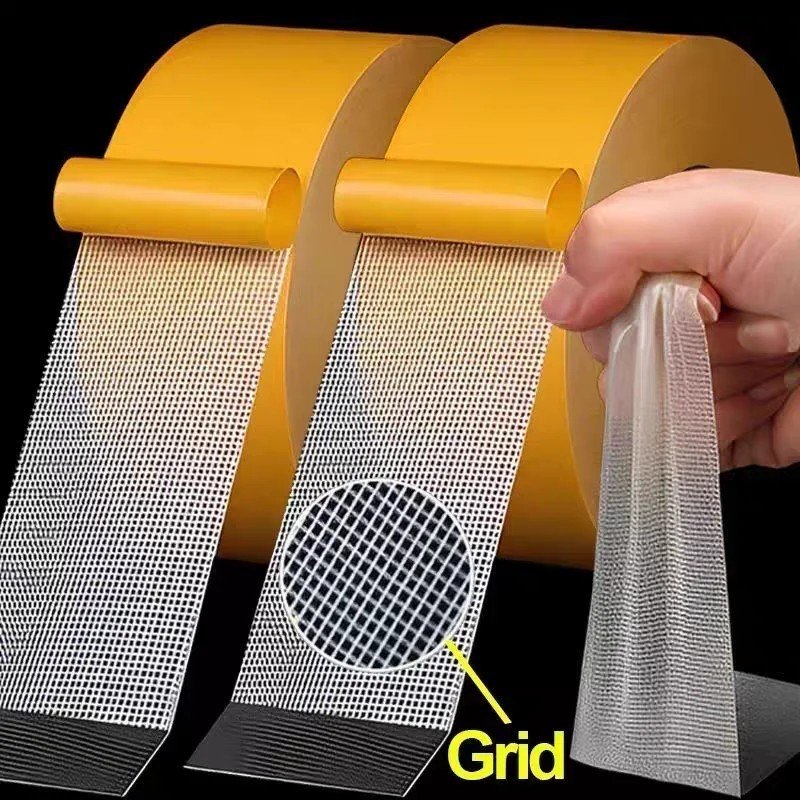
Carpet installation is a high peel, high shear job. The tape has to grab the back of a carpet and a smooth floor or underlay, hold while the carpet is stretched, and then let go without taking fibres with it. Cloth duct tape is used for temporary holds and edge protection, while a dedicated seam tape is the right product for a permanent seam.
Surface preparation matters more than the tape
Heavy duty tape for carpet fitting should be chosen by backing, not by colour. Action back and foam back need different tack, and a tape that grips one will lift fibres from the other. Keep the roll warm in cold weather, because a rubber adhesive stiffens below about 10 C and will not wet out a cold screed.
- Vacuum the subfloor and let adhesive or screed cure fully before laying.
- Check the backing, because action back and foam back need different tack.
- Keep the roll warm in cold weather, as rubber adhesive stiffens below 10 C.
- Press with a seam roller or a weighted roller rather than a hand.
Where duct tape helps on site
Surface preparation decides the result. Vacuum the subfloor, let adhesive or screed cure fully, and press the tape with a seam roller rather than a hand. Fitters use duct tape for carpet installation work to protect newly laid carpet along doorways, hold protective film over a finished floor, and bundle offcuts for removal at the end of the day.
Lift temporary tape the same day, because a rubber adhesive left under foot traffic will transfer into the pile and attract grit. For a fit-out contractor, a 48mm roll and a 75mm roll cover most site needs, and a coloured grade makes the cloth tape for floor protection obvious to other trades.