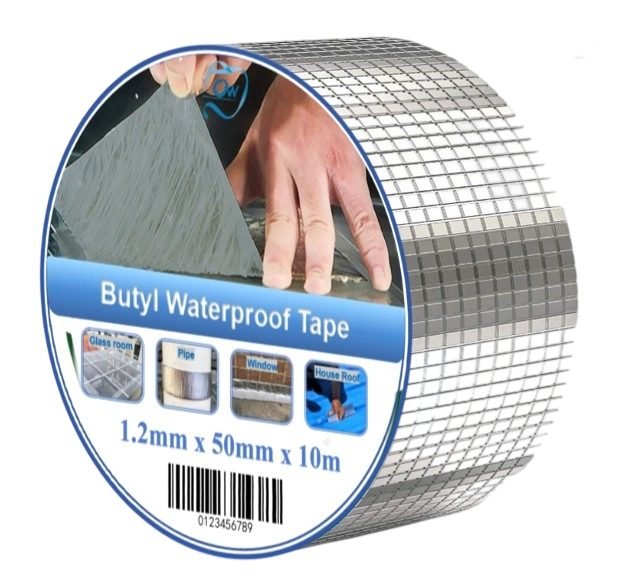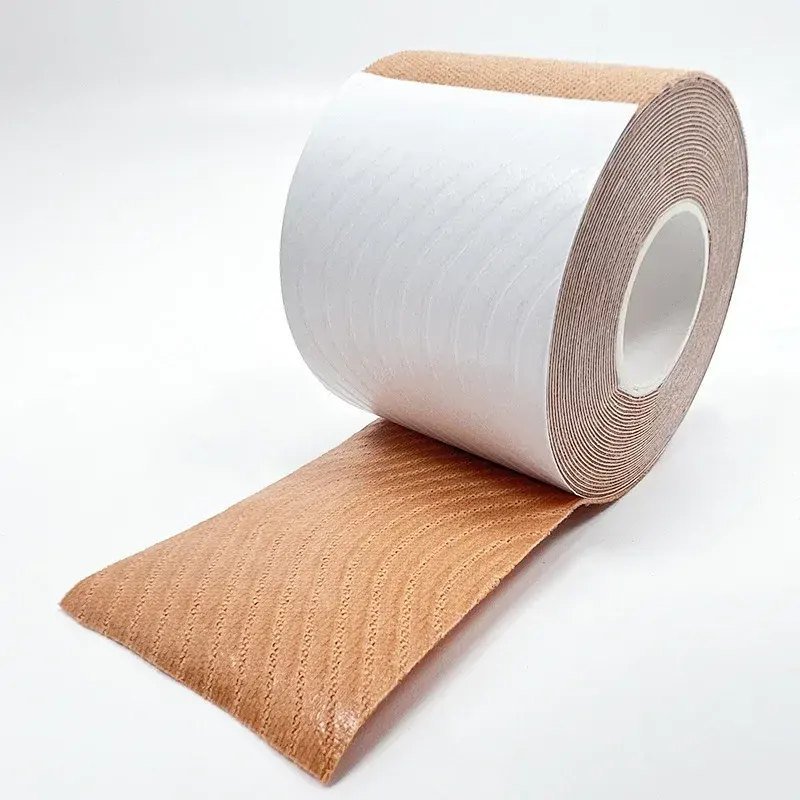
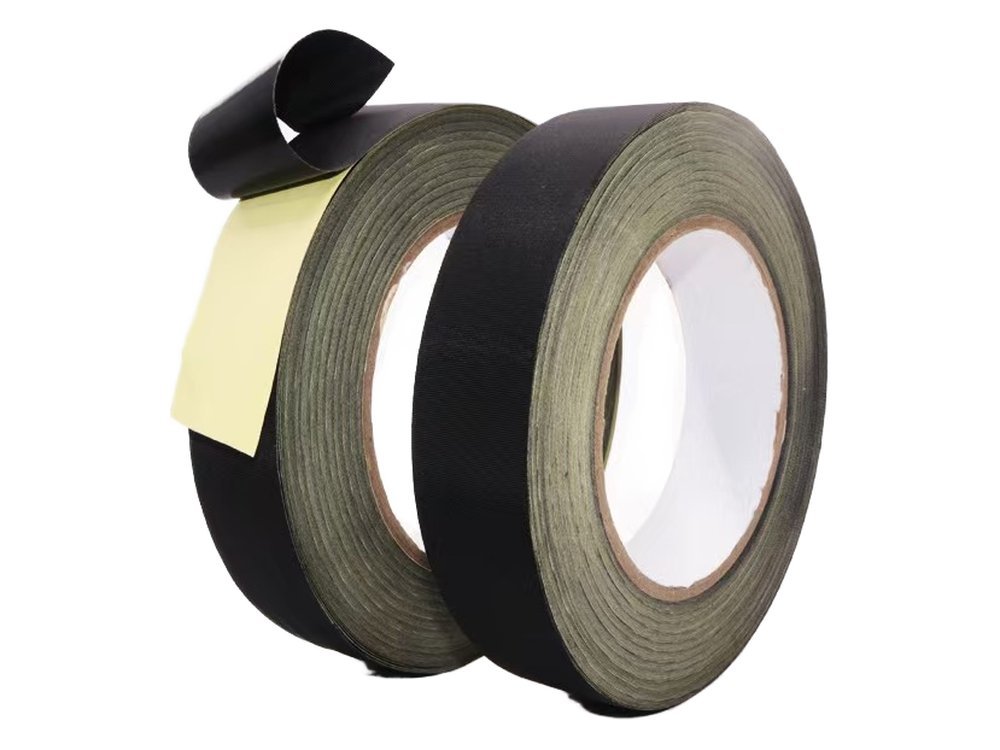
Why duct tape fails in the cold
Rubber and hot melt adhesives harden as temperature falls. Below about 5 C the adhesive cannot wet out the surface, so initial tack drops sharply and the tape flags at the corners. On a winter site the tape is often blamed for a poor bond when the real problem is a surface at minus 3 C and a roll stored overnight in an unheated van.
Working methods for cold sites
Duct tape for cold weather is a formulation question before it is a technique question. A rubber adhesive grade rated for low temperature keeps enough tack to grab at minus 5 C, while a cheap hot melt behaves like a strip of plastic. Warm the surface with a hot air gun on low, apply immediately, and roll the tape down hard.
- Keep rolls in an inside pocket or a warm cab until the moment of use.
- Warm the surface with a hot air gun on low, then apply immediately.
- Choose a rubber adhesive grade rated for low temperature rather than a cheap hot melt.
- Roll the tape down hard, because hand pressure alone is not enough in the cold.
How long an outdoor repair lasts
Outdoor durability is the second limit. Sun, rain and freeze thaw cycles attack the polyethylene film and the adhesive edge within weeks, so a repair that looked solid in January may be peeling by March. Weatherproof cloth tape sold for outdoor use should carry a UV resistant film, and even then it is a temporary measure.
For distributors in cold regions, stock a low temperature grade as a separate line and label it clearly. A standard roll sold into a winter market will disappoint on site, and the complaint will land on the tape rather than on the storage. Outdoor duct tape repair work is seasonal, so the stock mix should be too.