Powder coating is not paint
A cured powder coat is a thick, crosslinked polymer layer, often 60 to 100 microns deep, with a fine texture that varies by finish type. Smooth gloss coats offer very little for an adhesive to grip, while textured matt coats trap air in the valleys and reduce contact area. Both are chemically unlike the bare steel underneath.
The coating can also carry silicone additives, mould release or handling oils that sit on the surface and act as a release layer. This is why a tape that holds perfectly on a test coupon fails on the finished frame.
A repeatable application sequence
Clean with isopropyl alcohol and a lint-free cloth, then abrade lightly with a fine pad on gloss finishes and clean again. Abrading raises the surface energy and gives the adhesive somewhere to key, but it must not cut through the coating. Apply a primer designed for the adhesive family if the part will carry a permanent load.
- Degrease, abrade, then degrease again
- Use a foam carrier to bridge the texture
- Apply at 20C or above, never in a cold bay
- Roll firmly and allow 24 hours before loading
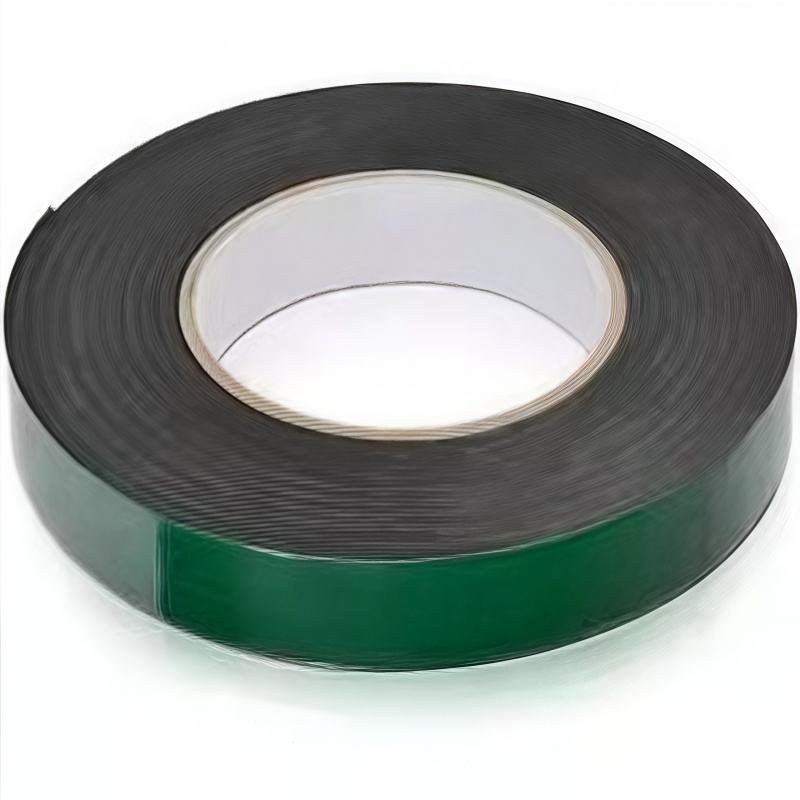
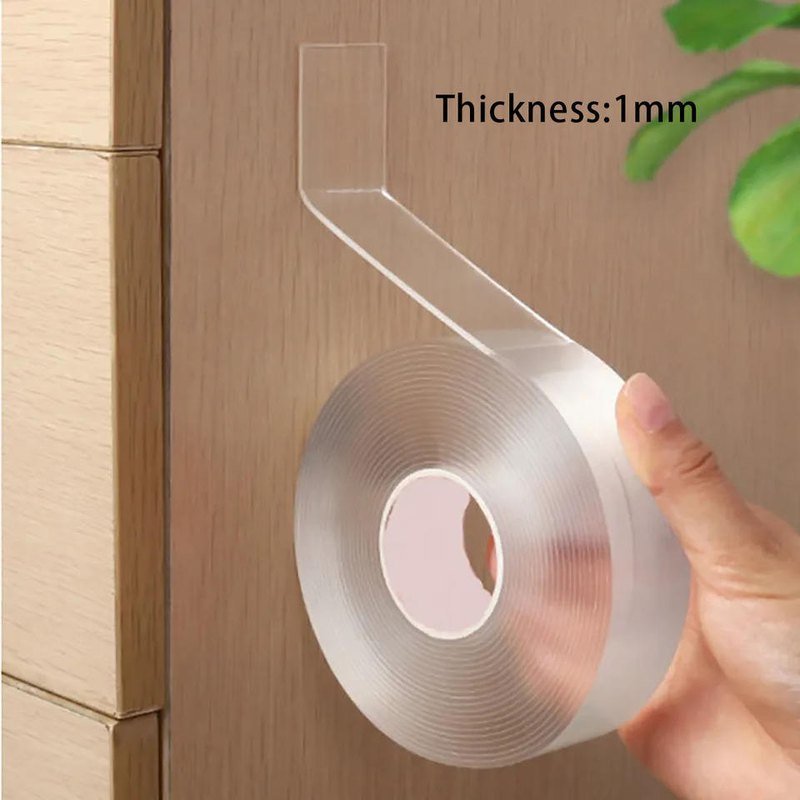
Choose a 0.8mm to 1.2mm foam tape rather than a thin film, because the foam flows into the texture and builds contact area. Then test a finished assembly in a warm room for a week before releasing the job to production.
Where the frame is galvanised rather than coated, the surface is chemically different again, and zinc salts can form a weak layer that peels under the adhesive. Clean, abrade and prime in the same sequence, then leave the assembly under load for a week before shipping. Failures usually appear in that first week, not on site.