Why cloth tape is still used on duct joints
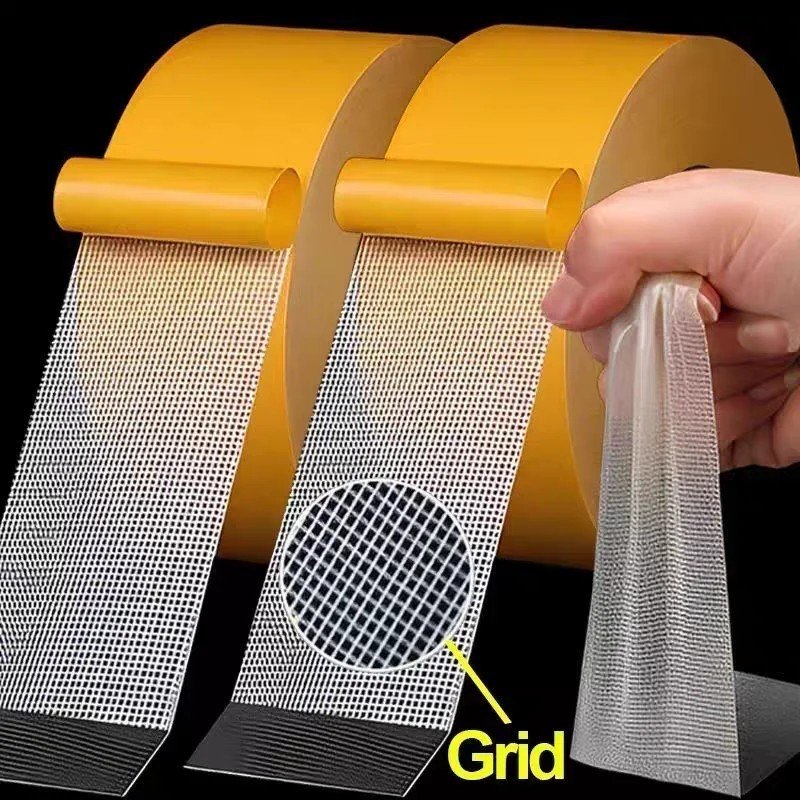
Cloth duct tape is a polyethylene film laminated to a woven scrim with a pressure sensitive adhesive. The scrim carries the load, the film keeps moisture out, and the combination conforms to awkward joints. On HVAC work it seals flexible duct connections, patches jacket damage and holds insulation seams until a mechanical fixing goes on.
Choosing caliper and adhesive
For cloth duct tape for HVAC use, caliper matters more than width. A 0.25mm tape with a natural rubber adhesive grips galvanised sheet far better than a 0.15mm utility grade, which is meant for bundling rather than pressure systems. Cold plant rooms need an adhesive that stays tacky below 5 C, or the edges flag within a shift.
- Clean the surface and knock off dust, because rubber adhesive will not bond to dust.
- Wrap with 50 percent overlap and press into the joint with a roller.
- Run the tape with the airflow where possible so the leading edge cannot lift.
- Finish with a mechanical clamp or mastic on any pressurised system.
Applying tape to a round or square joint
Apply with 50 percent overlap and press the tape into the joint with a roller rather than a thumb. Run it with the airflow where possible so the leading edge cannot lift, and finish any pressurised joint with a clamp or mastic. Duct tape for duct joints is a secondary seal, never a substitute for proper joint design.
The usual failures are edge lift from dust, adhesive creep in a hot ceiling void, and scrim failure when the tape is torn by hand rather than cut. Store rolls flat so the core does not crush, and specify caliper and adhesive on the order instead of accepting whatever heavy duty cloth tape for ductwork happens to be in the van.