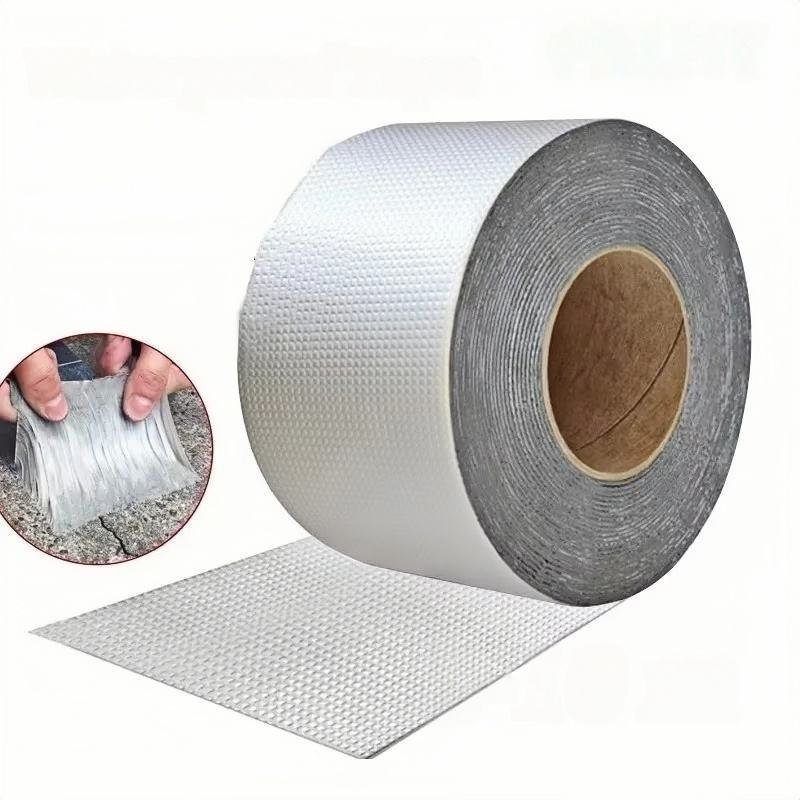
What makes a tape work underwater
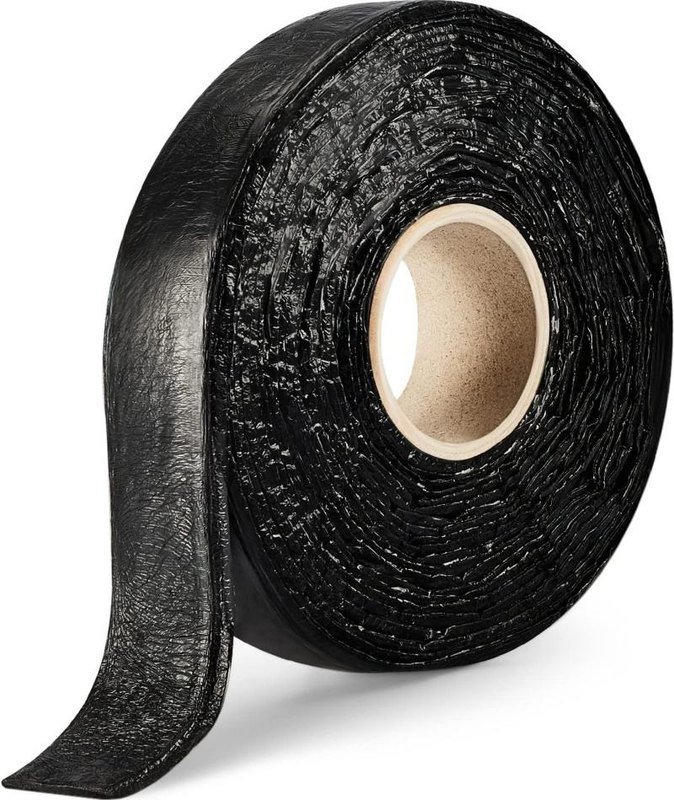
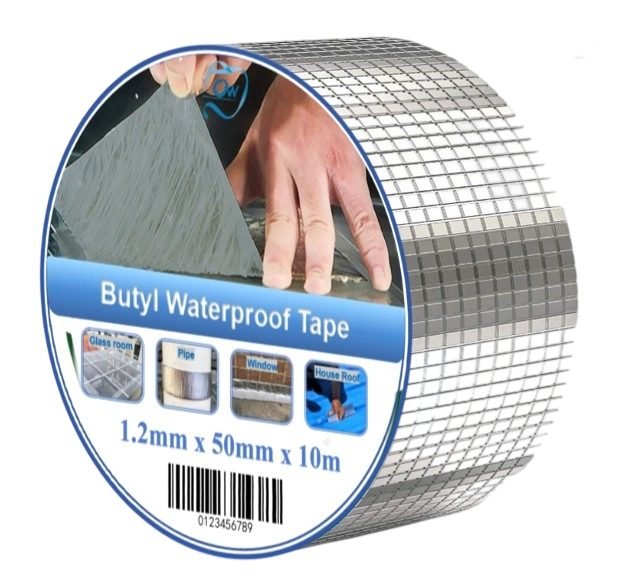
An underwater repair tape has to displace water from the surface rather than bond through it, which is why the adhesive is soft, heavy and high in tack. Butyl compounds flow under hand pressure and keep that grip for years. A general purpose acrylic tape lifts at the edges once the pool is back in use.
The carrier matters too. A vinyl liner flexes with water movement and temperature, so the patch should match that flexibility. Rigid film patches concentrate stress at the perimeter and peel from the corners, especially in the shallow end where sunlight and swimmer traffic are heaviest.
Preparing a liner that is already wet
Drain below the leak if the pool can be emptied safely; the repair will be faster and better. If it cannot, work underwater and accept a slower process. Wipe the area to remove algae and calcium film, then press the patch while water is displaced outwards. Avoid cloths that have held sunscreen or cleaners.
- Cut the patch round or with rounded corners, never sharp
- Allow 50 mm of overlap beyond the visible damage
- Press from the centre outwards with the heel of the hand
- Weight a vertical patch for an hour if the liner is smooth
Chlorine is the hidden enemy. High levels attack the adhesive edge, and a patch applied during shock treatment often fails within a season. Lower the level and let it settle before patching. On concrete or fibreglass pools an underwater epoxy putty is often better, with tape reserved for liner work.
Pool patch tape is commonly packed as 50 mm to 100 mm rolls of 3 m to 10 m, sometimes pre-cut into 150 mm patches on a card. For retail packs, specify a clear or blue carrier that disappears against the liner and a backing that peels with wet hands.