The non-stick surface is the point
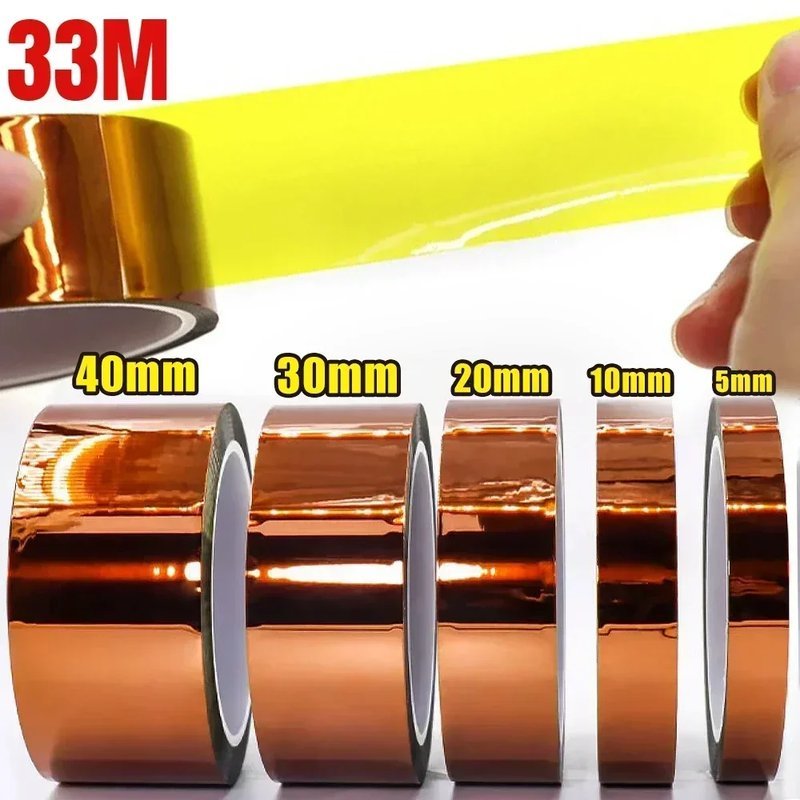
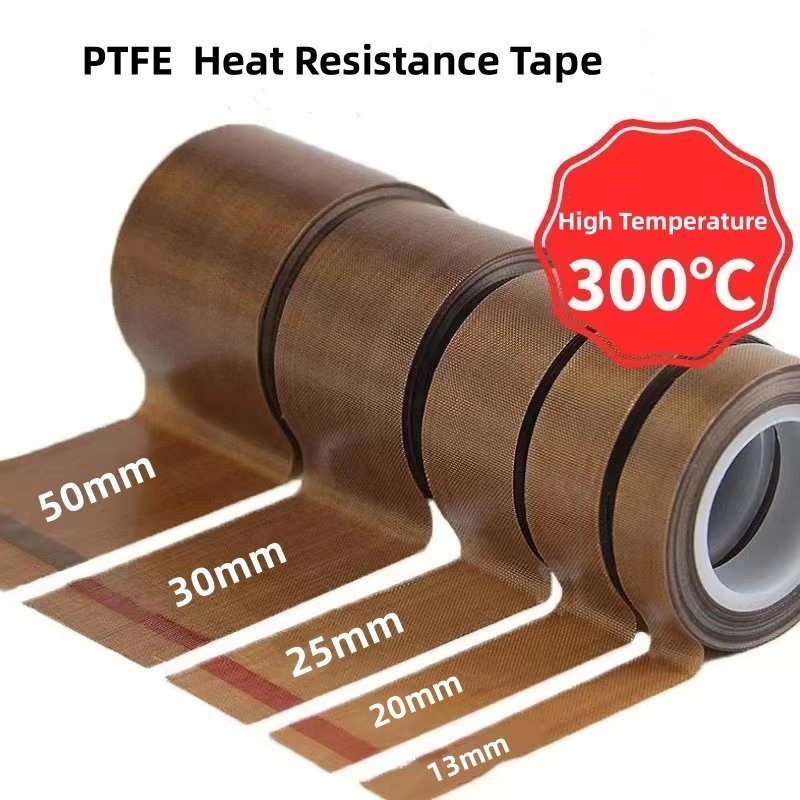
PTFE coated glass cloth tape is a fabric with a polytetrafluoroethylene surface and a silicone adhesive. Nothing sticks to the PTFE face, and the tape keeps working up to around 260 C. That combination makes it the standard consumable on heat sealers, form fill seal jaws, shrink tunnel curtains and hot plate presses.
Choosing thickness and adhesive
PTFE coated tape for heat sealing is chosen by heat transfer and wear. Thin tape around 0.08mm to 0.13mm passes heat quickly and suits fine jaws, while cloth at 0.2mm and above survives abrasion on a heavy bar. The adhesive matters too: silicone holds at temperature, while a cheap acrylic softens and lets the tape shift along the jaw.
- Covering a sealing jaw so film does not stick to the bar.
- Releasing a heat press platen during a lamination run.
- Protecting a chute or guide where hot film drags.
- Insulating a hot surface that operators may brush against.
Replacing tape on a line
Replace the tape when the surface shows a wear track or the edges curl, and specify roll width to match the jaw so nobody trims it on the line with a knife. A trimmed edge exposes the glass cloth and starts the same wear cycle again a few shifts later.
For a packaging line running several shifts, keep a spare roll per jaw width and record the change date on the machine. Non stick high temp tape is a consumable, and treating it as one prevents the midnight stoppage that costs more than a year of heat sealer jaw tape.