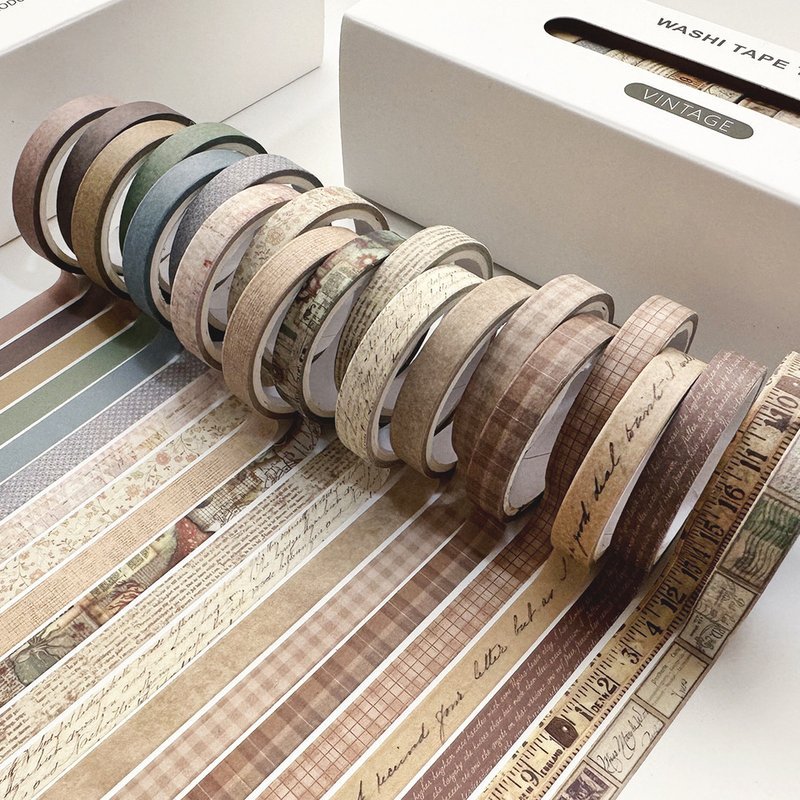
Heat, humidity and dust are the three enemies
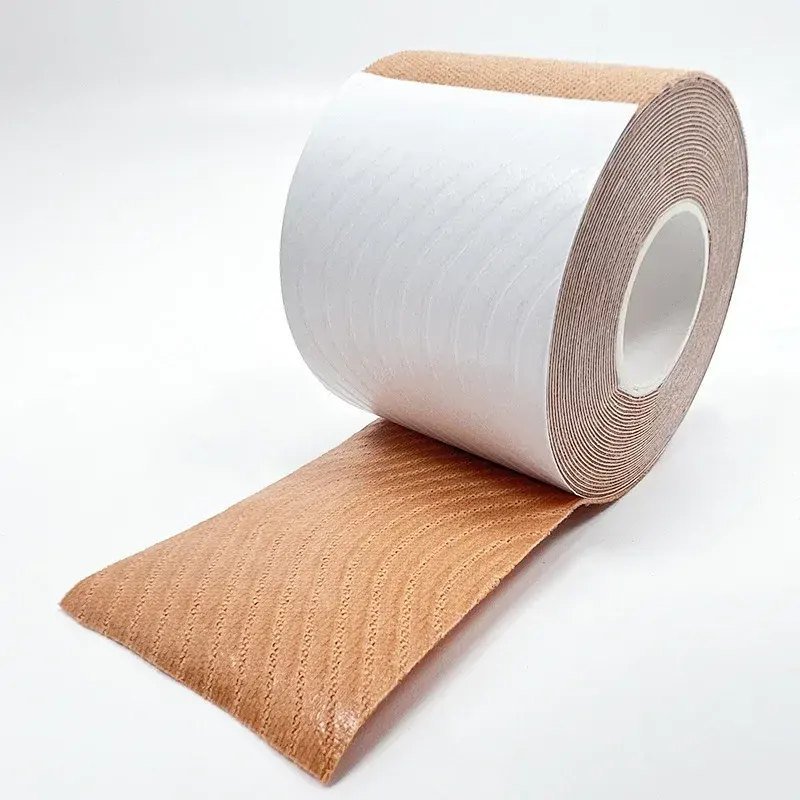
A masking tape roll is a compressed spring of paper and adhesive. Above roughly 30 C the adhesive softens and migrates into the paper, and in humid air the crepe absorbs moisture, swells and loses its clean tear. Dust on the edges ruins the first five millimetres of every roll, which is exactly the part a worker reaches for first.
Stacking and handling
Masking tape storage is a warehouse question, not a purchasing one. Cartons should sit flat, no more than five high, because a crushed core turns a round roll oval and the tape then wanders on the dispenser. Keep the original wrap on until the line needs the roll, and leave clearance from walls and floors so air can move around the pallet.
- Store cartons flat, no more than five high, to avoid core crush and oval rolls.
- Keep rolls in the original wrap until the line actually needs them.
- Leave clearance from walls and floors in a cool, dry store.
- Rotate stock first in, first out and mark receipt dates on cartons.
Shelf life in practice
Most paper tapes are comfortable for six to twelve months in a controlled store and considerably less in a hot container. If a roll feels tacky between the layers or tears raggedly rather than cleanly, it has taken on moisture and should not go near a paint job, however good the price looked when the pallet arrived.
Shelf life on masking tape is a guide, not a guarantee. For export orders, ask for cartons with a moisture barrier and a clear batch code, so a storage problem can be traced to a delivery instead of being blamed on the manufacturer. Masking tape humidity damage almost always starts in the container, not the factory.