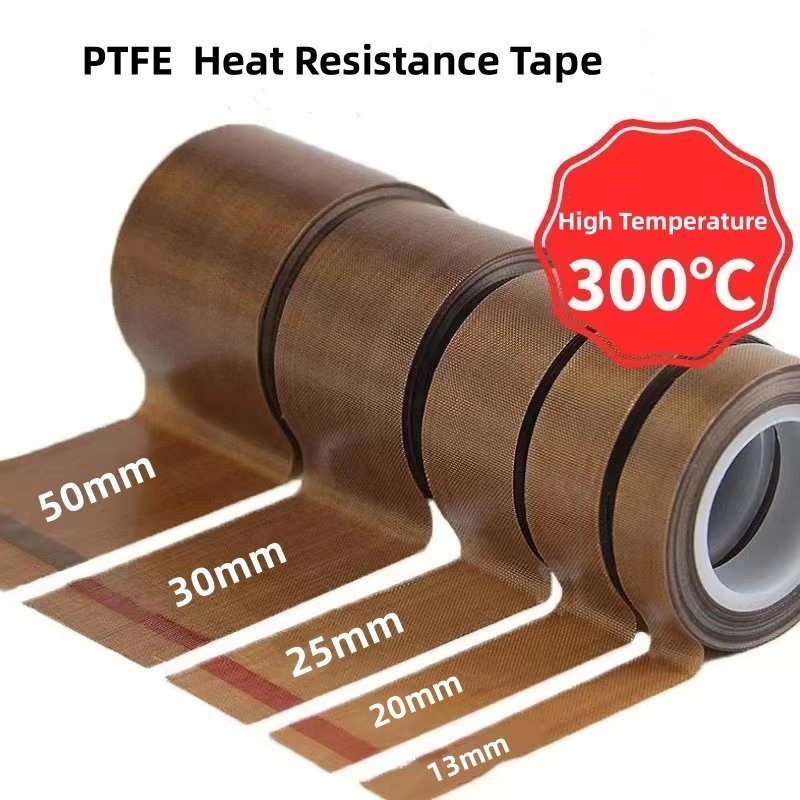
A temperature rating is not one number
A high temp tape temperature rating is not a single claim. A roll sold as 200 C may be rated for a short excursion, a continuous service temperature, or a peak during a cure cycle. Those are different claims. Before comparing rolls, ask which one the figure refers to, how long the exposure lasts, and whether the backing or the adhesive is the limiting component.
The four questions to ask
To specify high temperature tape properly, work from the process rather than the catalogue. Note the peak temperature, the time at peak, the substrate, the pressure on the joint, and whether the tape has to release cleanly afterwards. Those five facts narrow the choice faster than any comparison table.
- What is the continuous service temperature, and for how long?
- Is the rating for the backing, the adhesive, or the finished assembly?
- What peel strength remains after the heat cycle?
- Does the tape need to release cleanly, or only to hold?
Adhesive chemistry drives most of the answer
Silicone versus acrylic adhesive tape is the decision that settles most of the rest. Silicone holds from roughly 180 C to 260 C depending on formulation and releases cleanly from most surfaces. Acrylics are cheaper and bond well to about 120 C but soften above that, and rubber adhesives belong at room temperature, not in an oven.
Then test a sample through the real profile and keep the approved roll as the reference for the next order. A high temperature tape selection guide can only narrow the field; the cure cycle on your own tooling decides the answer.