The adhesive decides the rating
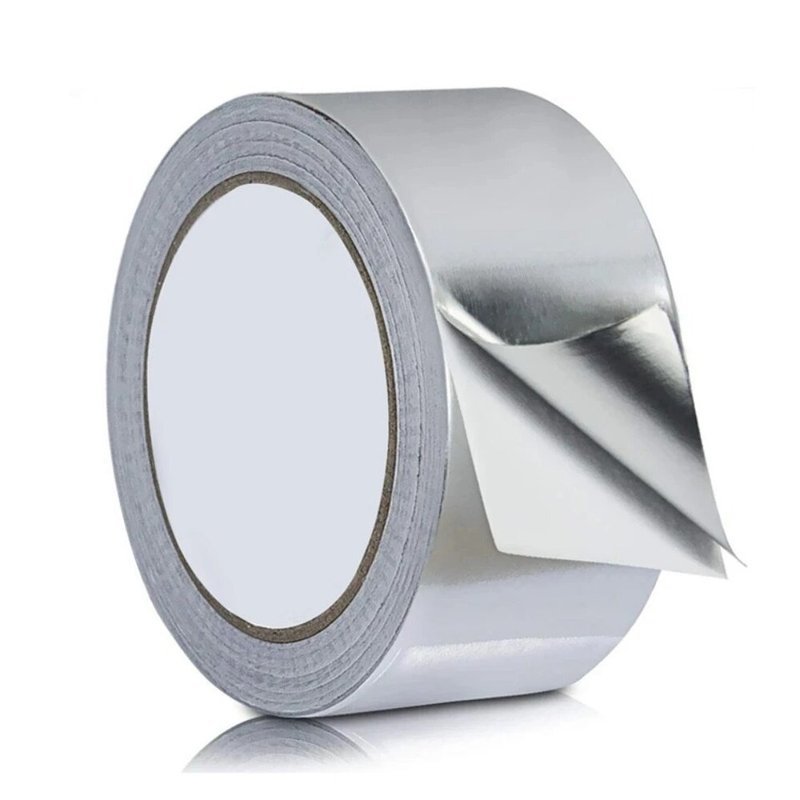
The foil carrier is the same aluminum used elsewhere; the difference is the adhesive. Standard acrylic adhesive browns and loses grab above roughly 120 degrees Celsius, while silicone adhesive on a foil carrier is typically rated for continuous service around 260 to 300 degrees Celsius. That is the difference between a tape that survives a flue and one that curls off.
Rated temperature is not the same as flame resistance. Foil tape is not a firestop, does not replace a listed flue component, and should never be the only seal on a chimney section passing through a wall or ceiling. It closes the joint on a single-wall connector, nothing more.
Working on a flue that gets hot
Apply to a cold pipe. Silicone adhesive will not develop its bond on a surface above about 60 degrees Celsius, and a warm flue also carries soot that contaminates the bond line. Scrub the joint with a wire brush, wipe with solvent, and let it dry before taping, since creosote is a release layer.
- Overlap the joint by at least 50 mm on each side
- Wrap in the direction that sheds water on an outdoor flue
- Press out air bubbles; trapped air expands on first firing
- Allow the adhesive to cure overnight before lighting the appliance
The usual complaint is a tape that lets go after the first burn. Almost always it was applied over rust or soot, or the joints are not properly seated. Tape bridges a joint; it does not hold two pipes together, and a mechanical fixing still carries the load.
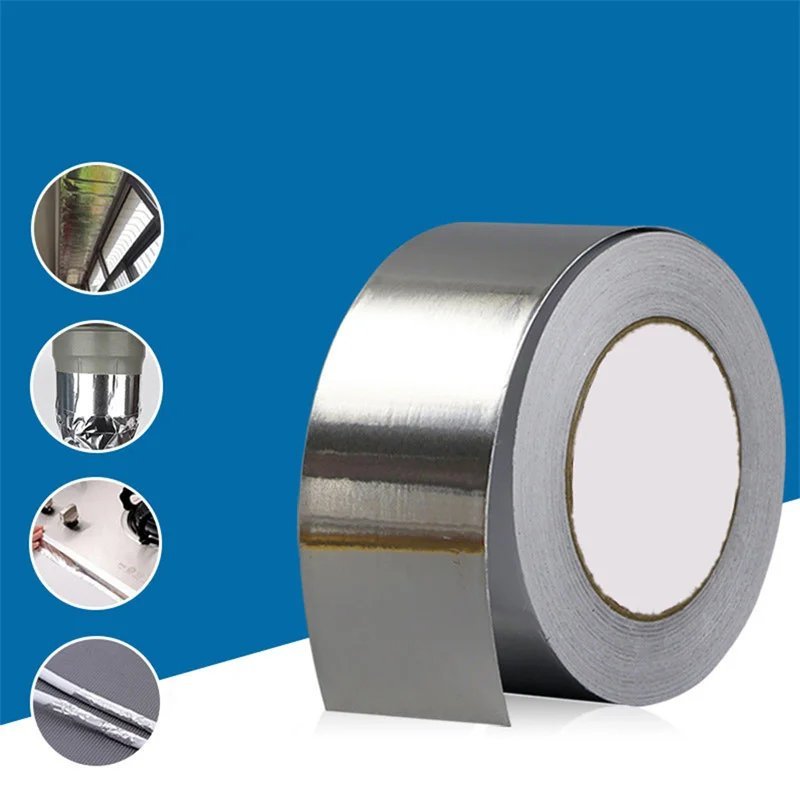
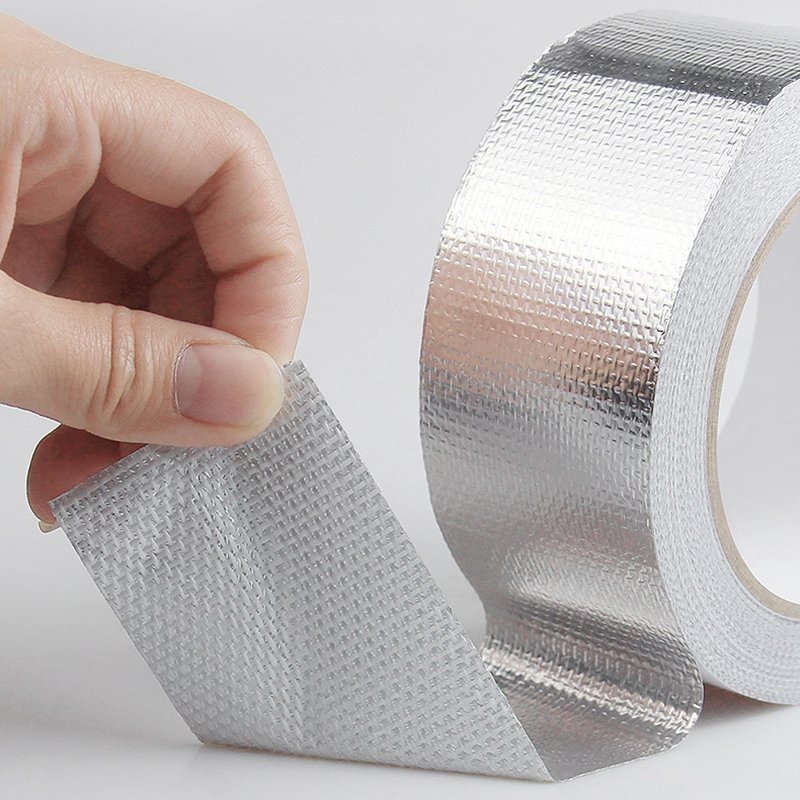
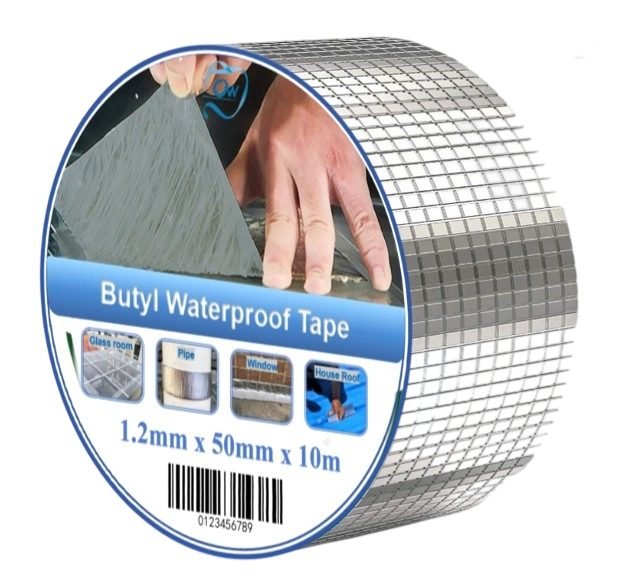
High temperature foil tape is packed in 25 mm to 50 mm widths on 10 m to 25 m rolls, sometimes with a silicone-coated liner that survives the heat of a hot workshop. Buyers should ask for the continuous service temperature, not a peak figure, since a peak rating tells an installer little.