Why engine bay tape is a separate product
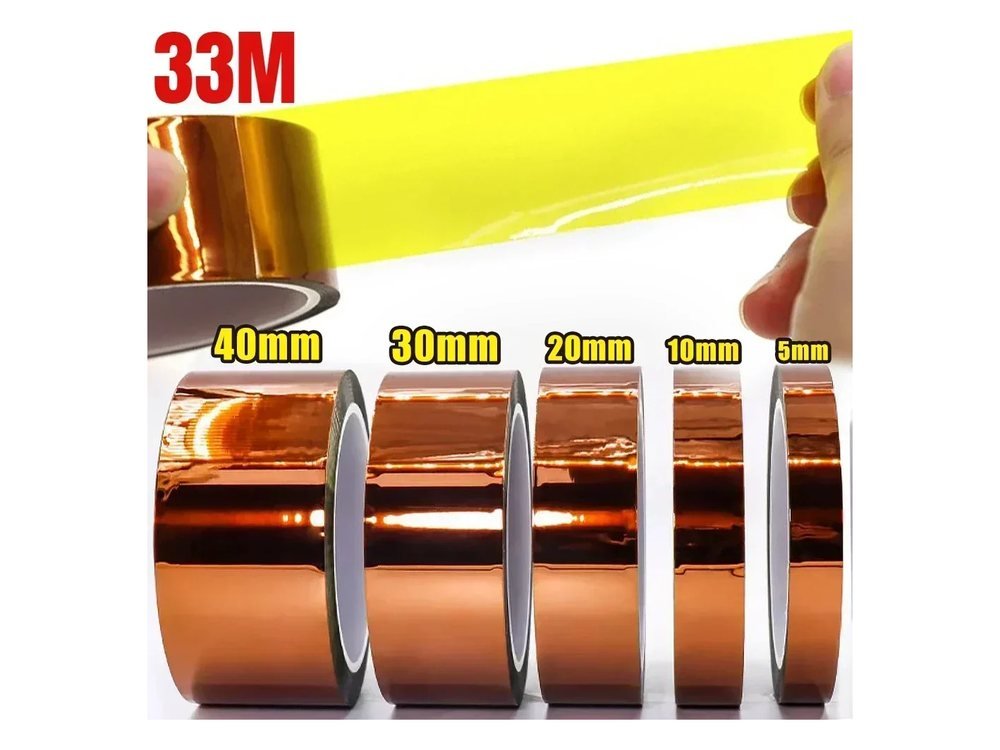
A harness in an engine bay sees 125 C to 150 C in service, plus vibration, oil, coolant and road salt. General purpose PVC tape softens and flags in that environment. High temperature harness tapes use a cloth, fleece or foil backing with a high tack acrylic or silicone adhesive, and they are specified on the harness drawing rather than picked from a shelf.
Common constructions
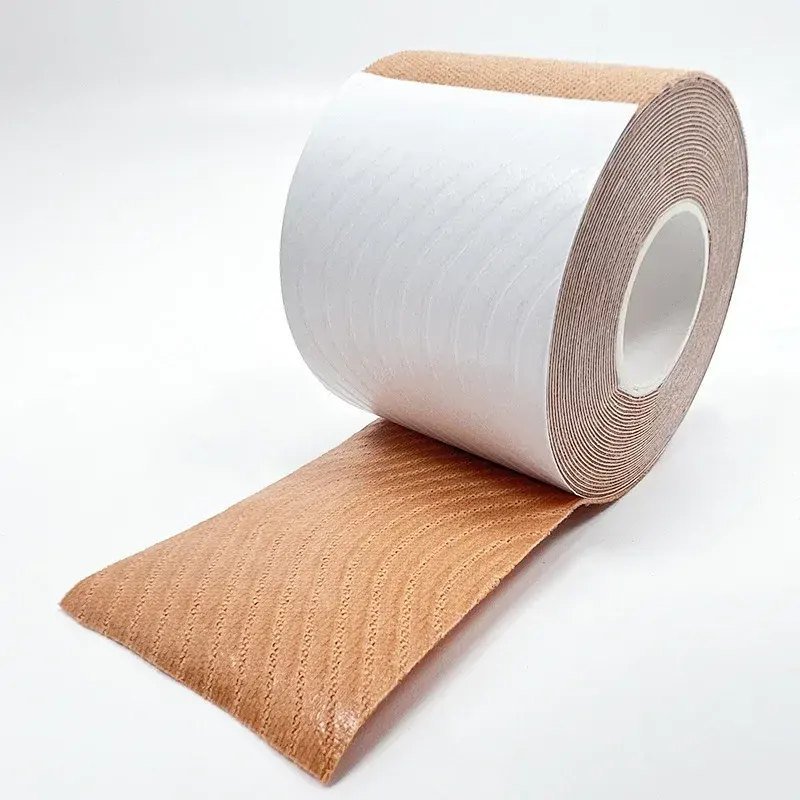
High temp tape for wire harness work is chosen by construction, not by brand. Cloth covers general bundling and abrasion, fleece suppresses rattle inside a cabin, and aluminium foil reflects heat near a turbo or manifold. Paper tape is the masking product for a repair or reflash, not the permanent wrap on a production harness.
- Cloth tape for general bundling with good abrasion resistance.
- Fleece tape for rattle suppression under a dash or inside a cabin.
- Aluminium foil tape for heat reflection near a turbo or manifold.
- High temperature paper for masking during a repair or reflash.
Wrapping technique
Wrap at 50 percent overlap with constant tension, and finish the end with a half hitch so it cannot unwind. Keep adhesive off the wire insulation where flexibility is needed, and never wrap across a connector body that has to come apart for service, because the next technician will cut it off anyway.
For aftermarket and fleet work, buy cloth harness tape 150c rated or above, measured at the hottest point under load rather than at idle. A short heat soak in traffic is what usually causes the first failure, and an engine bay harness tape that passes a bench test can still fail there.