Masking in an aggressive chemical bath
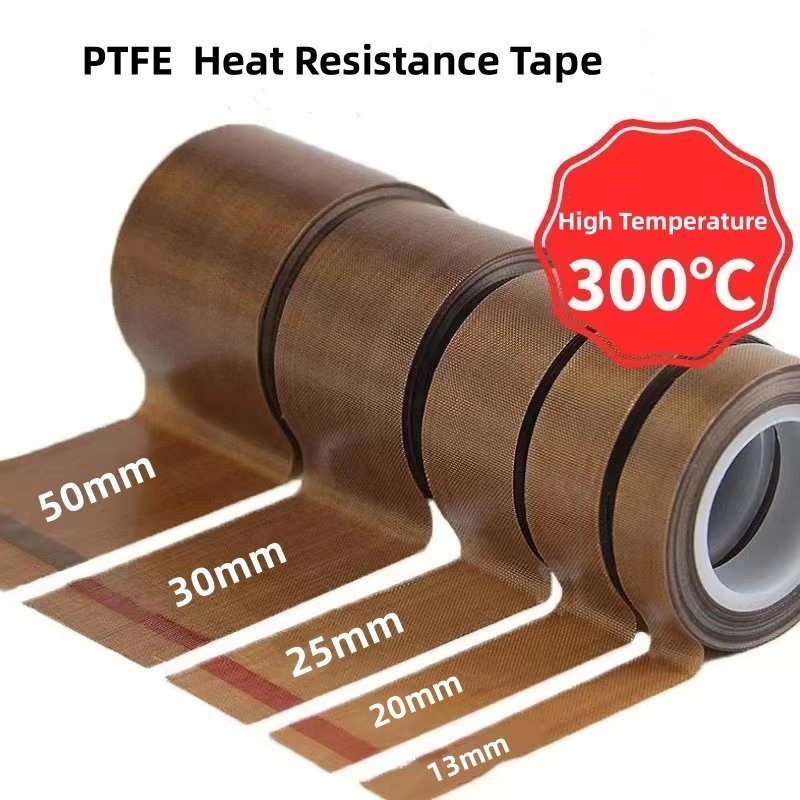
Anodising, chromating and electroplating put a part through acid, alkali and current. Any mask has to survive that, keep the contact area bare, and leave no adhesive that would contaminate the bath. High temperature tape earns its place here less for heat than for chemical resistance and clean release after a long immersion.
Mask types by feature
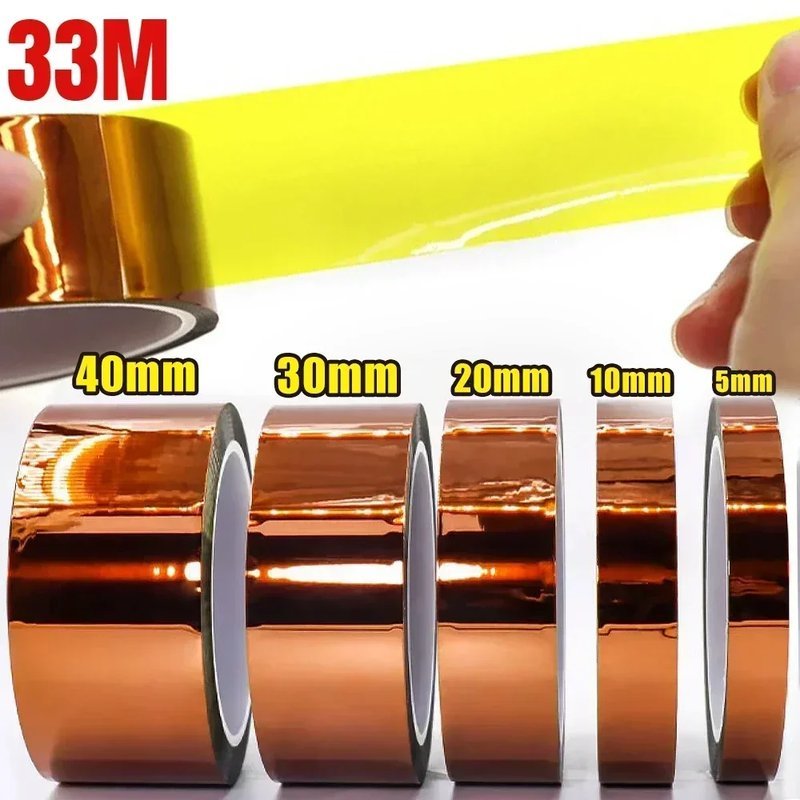
Anodizing masking tape is specified by feature. High temperature paper covers flat areas and rack contact points, polyimide film makes a thin mask that does not add build, and silicone plugs and caps protect threaded and tapped holes. Wax or lacquer takes over where tape cannot conform to the shape.
- High temperature paper tape for flat areas and rack contact points.
- Polyimide film for thin masks that must not add build.
- Silicone plugs and caps for threaded and tapped holes.
- Wax or lacquer masks where tape cannot conform to the shape.
Contamination and racking
Adhesive residue in an anodising bath is a contamination risk, not a cosmetic problem. Use a tape with a silicone adhesive, keep the roll clean, and change masking before it lifts at the edges. On a rack, mask contact points consistently so the current path stays the same from part to part.
Write the mask type and position on the process drawing, and keep the approved sample with the job traveller, so a new operator does not substitute a different roll. Chemical resistant masking tape that has not been approved for the bath is the most common source of a mysterious plating defect.