Where tape goes on a powder coating line
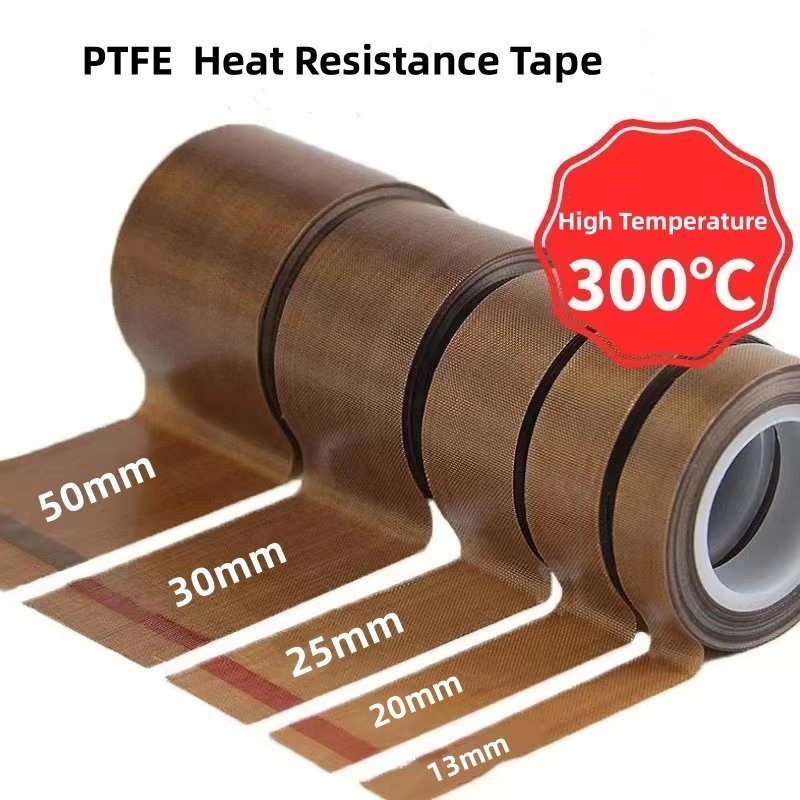
Powder coating masks keep coating off threads, holes, mating faces, earth points and busbar contacts. Paper tape alone will not survive a curing oven at 180 C to 200 C, so the specification moves to a high temperature paper, a polyimide film or a silicone plug. The choice depends on the shape of the feature, not only on the oven temperature.
Matching the mask to the feature
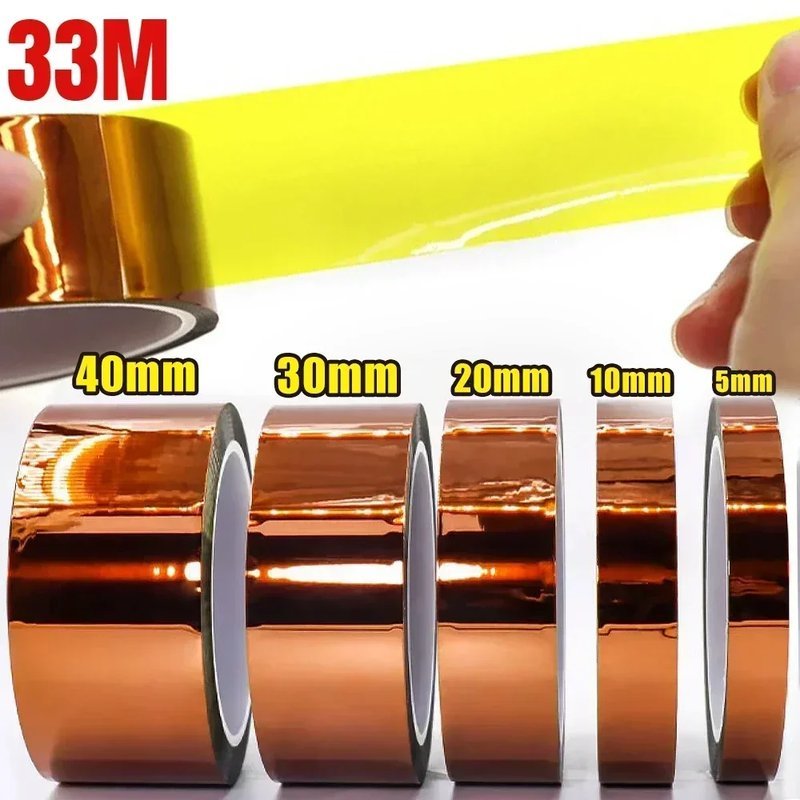
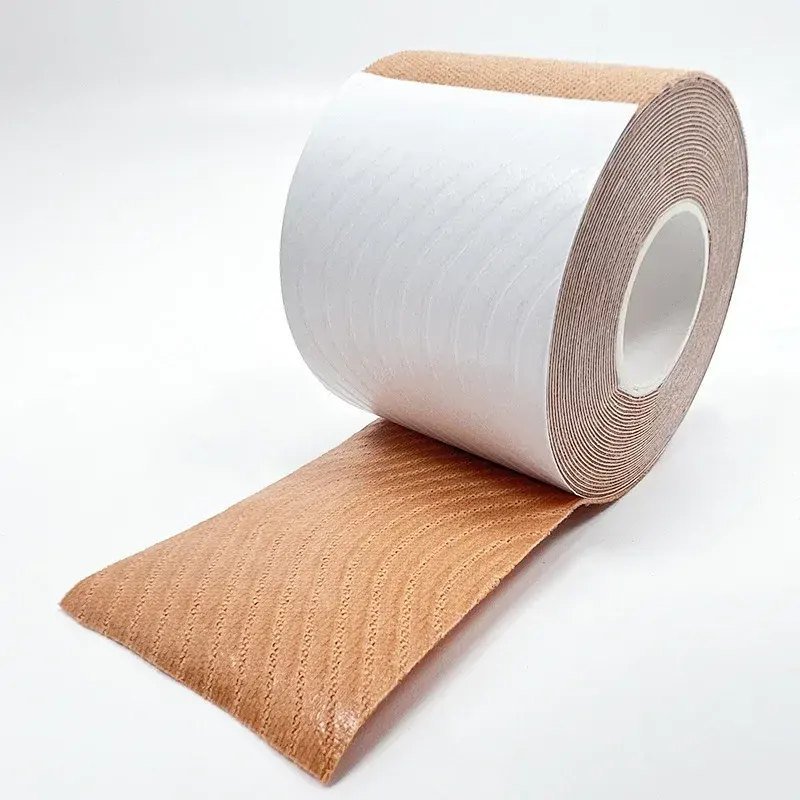
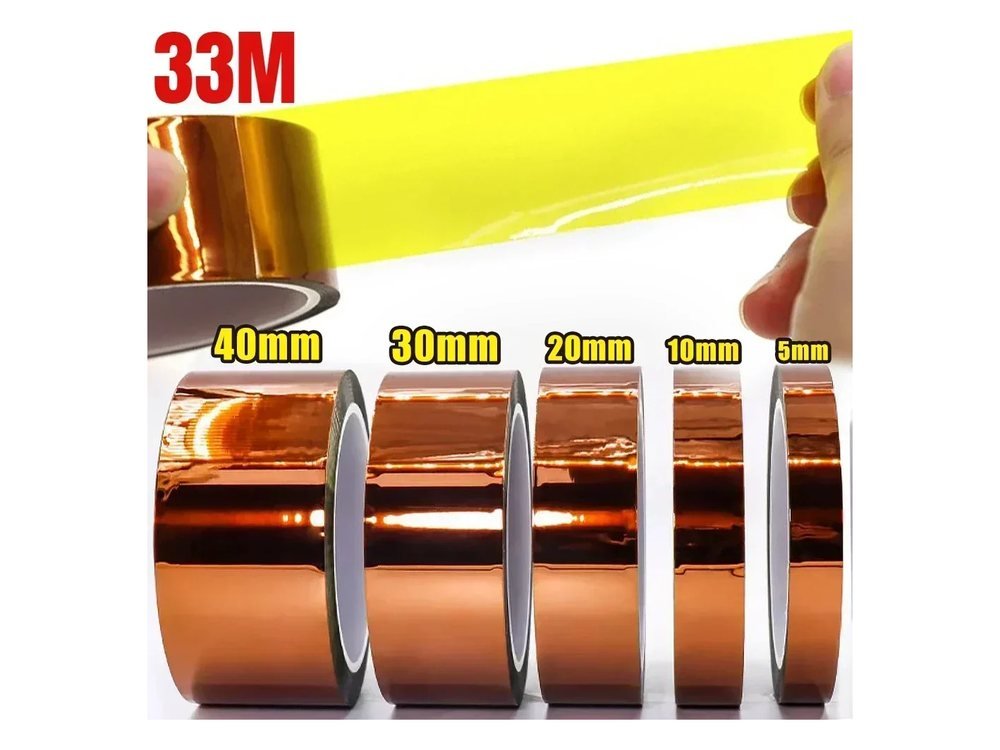
High temperature masking tape for powder coating should be matched to the feature. Flat mating faces and shallow recesses take paper tape, threaded holes take silicone plugs, sharp edges and tight curves take polyimide film, and a repeatable circular mask is better done as a die cut disc than by hand with a blade.
- High temperature paper tape for flat mating faces and shallow recesses.
- Silicone plugs and caps for threaded holes and tube ends.
- Polyimide film tape for thin masks on sharp edges and tight curves.
- Die cut discs where a repeatable circular mask is needed.
Why residue shows after curing
Residue usually appears after curing, not during. Silicone adhesive is the standard for oven masking because it holds at temperature and releases without transferring. Cheaper grades use a thin adhesive coat that flows into the substrate under heat, and the fault only shows when the part cools and the next coat fails to bond.
Ask for the adhesive chemistry and the recommended cure cycle, run a sample through your own oven profile, and mark the mask type on the drawing so the shop floor does not improvise with whatever oven masking tape 200c roll happens to be on the bench. Powder coat plug caps are cheap compared with a rejected batch.