Cold lines fail at the seam
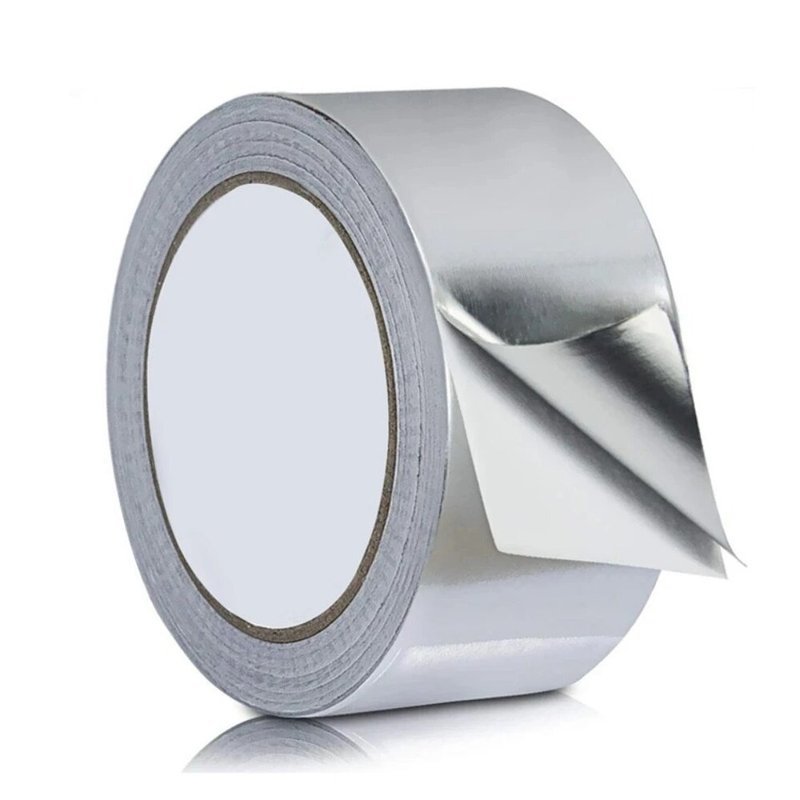
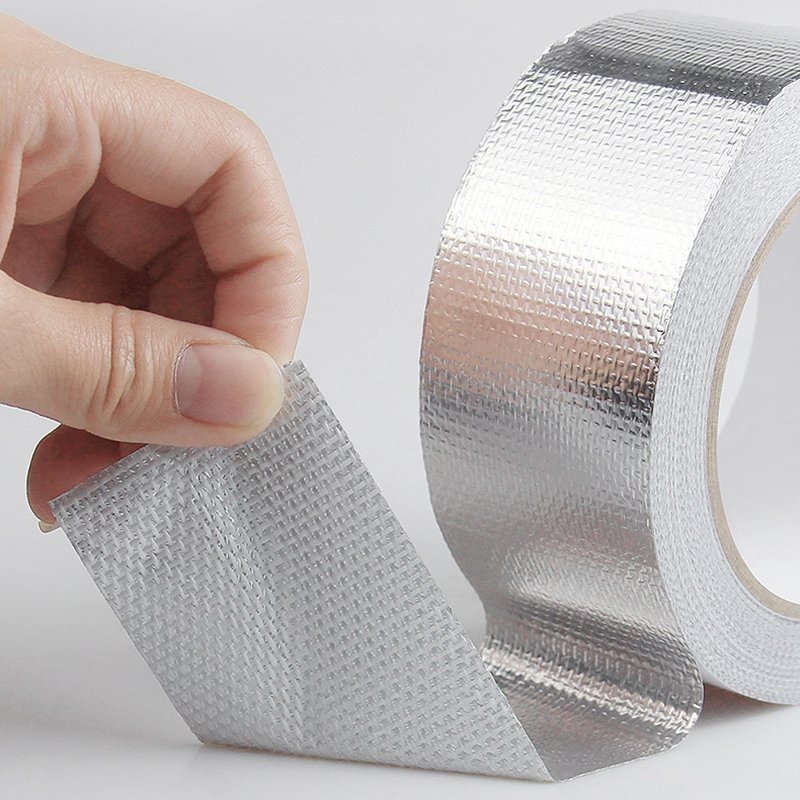
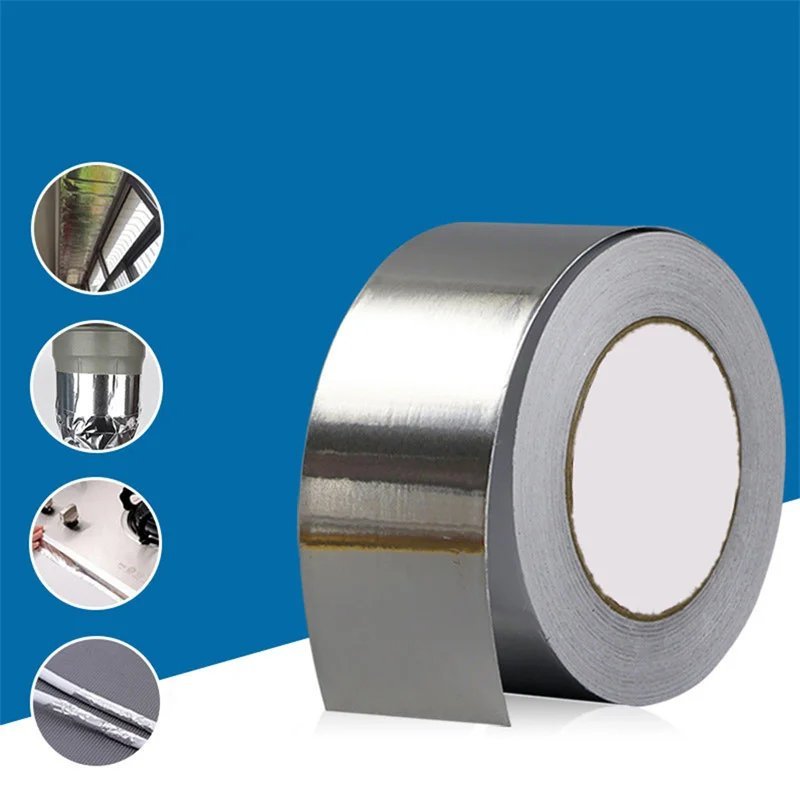
On a refrigeration line, the insulation is doing two jobs: limiting heat gain and keeping moisture out. Every unsealed seam lets humid air reach the cold surface, where it condenses, freezes and eventually saturates the closed-cell foam. Foil tape over those seams restores the vapour barrier and adds a reflective, cleanable surface.
The adhesive has to keep working at low temperature. Acrylic adhesive retains tack and flexibility down to about -40 degrees Celsius, while a cheap hot-melt adhesive turns brittle and releases at the first defrost cycle. On a suction line running below freezing, that difference decides whether the job is called back.
Sealing a cold line properly
Insulate and tape at ambient temperature, before the system is charged. Tape applied to an already-cold pipe will not wet out, because moisture condenses on the foil within seconds. Cut the insulation cleanly, butt the sections, and run tape along the full length with a 25 mm overlap onto the insulation each side.
- Use 50 mm or 75 mm tape on straight runs, narrower on fittings
- Wrap spiral joints so each turn overlaps the previous one by half
- Seal every hanger penetration, the most overlooked leak point
- Do not compress the foam with the tape; compression creates a cold bridge
Never tape over wet insulation. If the foam is already saturated, the moisture stays inside the barrier and the pipe sweats under the wrap. Cut out the wet section, replace it and re-tape. On outdoor lines, add a UV-resistant jacketing over the foil, since thin foil alone dents and punctures.
Refrigeration tape is typically 50 m rolls at 50 mm or 75 mm, with a release liner that stays flat in a cold store. For contractors, a liner that peels cleanly with gloves on matters more than a marginal difference in adhesive coat weight.