Two numbers, one performance curve
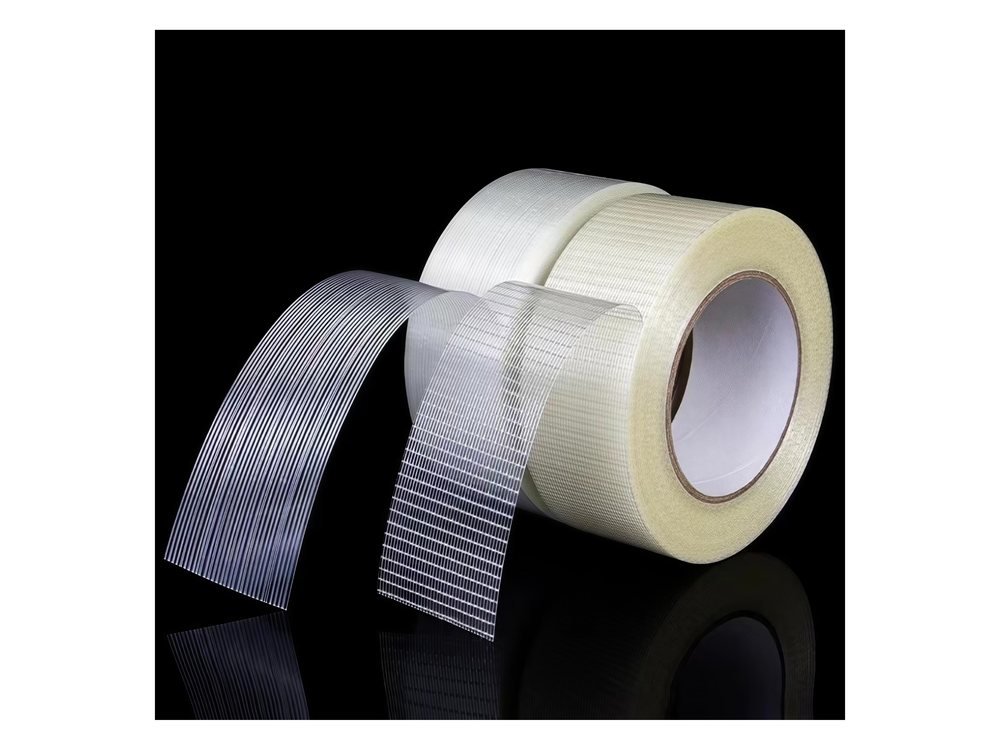
Filament tape is specified by width, total thickness and yarn count. The yarns are continuous glass filaments laid in the machine direction and bonded between layers of PET film. Yarn count, expressed as the number of ends per inch, decides how much tensile load a given width can carry. Width decides how much adhesive area transfers that load into the carton.
This is why a 25mm tape with a dense yarn pack can outperform a 50mm tape with a sparse one. Buying on width alone is a common and expensive mistake, because the extra width adds adhesive cost without adding strength.
Reading a specification
Ask for tensile strength per 25mm, elongation at break and adhesive coat weight. A mono-directional tape with a moderate yarn count is right for carton reinforcement and light bundling. Higher yarn counts, sometimes with cross lamination, are used for coil wrapping and heavy unitising where the tape may also be pulled sideways.
- Tensile per 25mm is the strength figure that matters
- Elongation under two percent means low stretch
- Higher coat weight improves grip on dusty board
- Cross lamination resists splitting under edge loads
Then match the roll to the dispenser. A very heavy yarn pack is stiff and will not run through a light hand dispenser without snagging, so the strongest tape on the data sheet may not be the most productive one on your line.
When comparing quotations, convert everything to strength per millimetre of width and metres per roll. That normalised view exposes the case where a cheap 48mm roll delivers less tensile than a well-made 36mm one. Buy the strength the load needs, then choose the width that gives enough adhesive contact area.