Start with the load, not the tape
Tape selection begins with the mass being restrained and the acceleration it will see. A pallet that only moves by forklift inside one building sees far lower forces than one that travels by road, where braking and cornering repeatedly load the unitising. Multiply the pallet mass by a working factor of at least two before comparing it with tape strength.
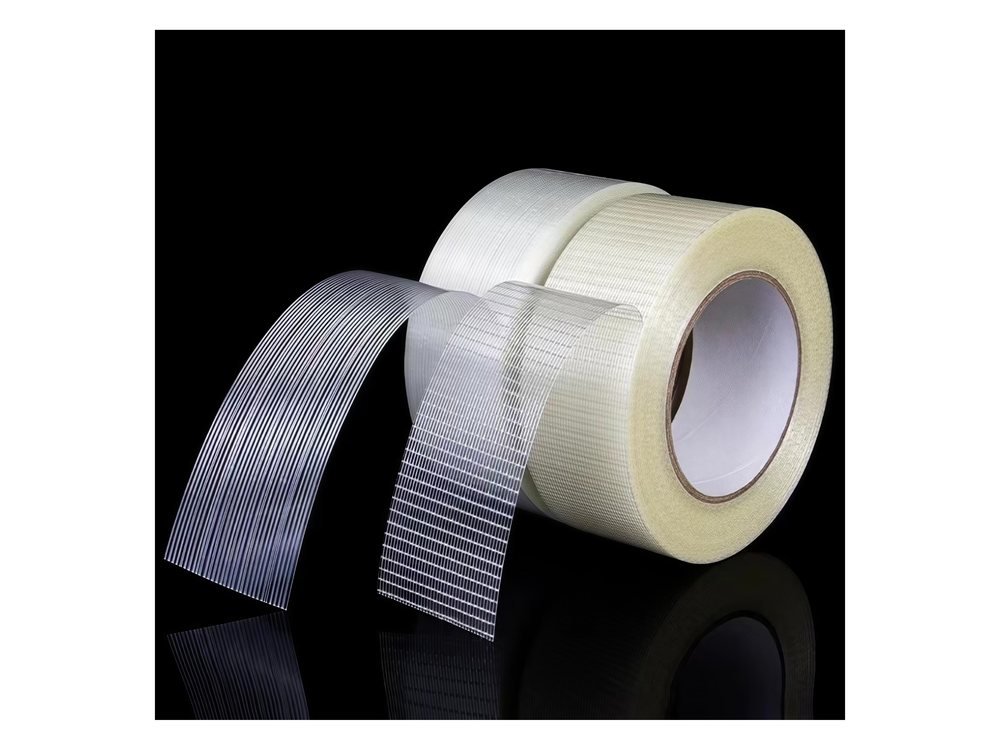
Filament tape strength is quoted as tensile per unit width, typically newtons per 25mm. A 25mm tape rated at 700 N and a 50mm tape with the same per-width rating carry the same load per millimetre, so two runs of narrow tape can equal one wide run if both are applied properly.
Convert strength into wraps
Divide the design load by the strength of one strip to get the number of strips needed, then add one for redundancy. Spread those strips evenly around the pallet rather than doubling them on one face, because an unbalanced pattern lets the load rack sideways even when the total strength is sufficient.
- Design load equals pallet mass times a factor of two
- Strength per strip equals rating per 25mm times width
- Add one redundant strip to the calculated count
- Distribute strips symmetrically on all four faces
Finally verify by test. Tape the first pallet, subject it to a short road trial or a tilt test, and inspect for yarn fracture, adhesive lift or corner cut-through. The calculation gets you close; a real load tells you the truth.