Conductive through the thickness
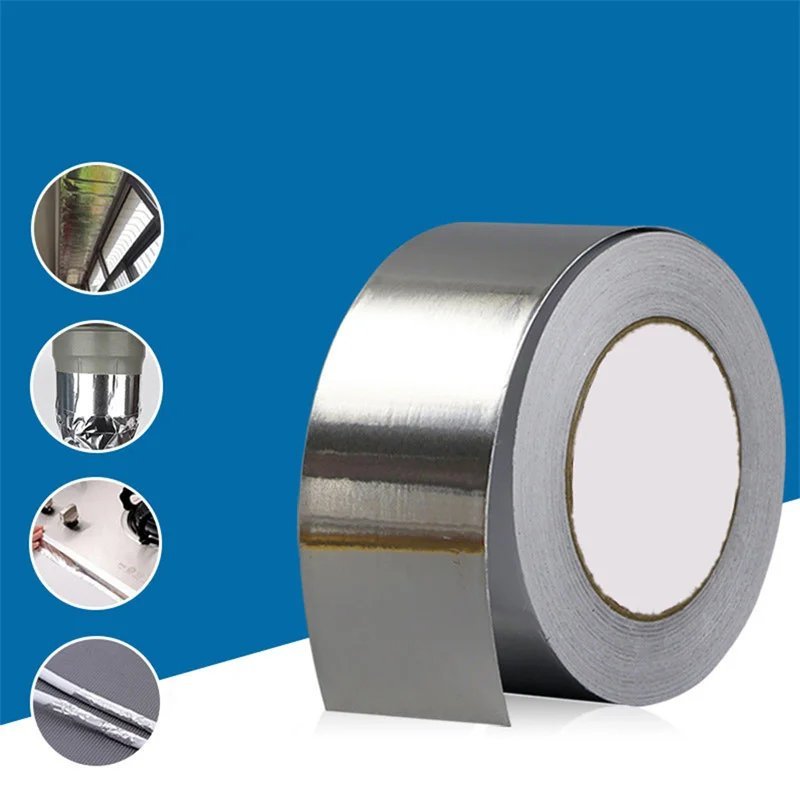
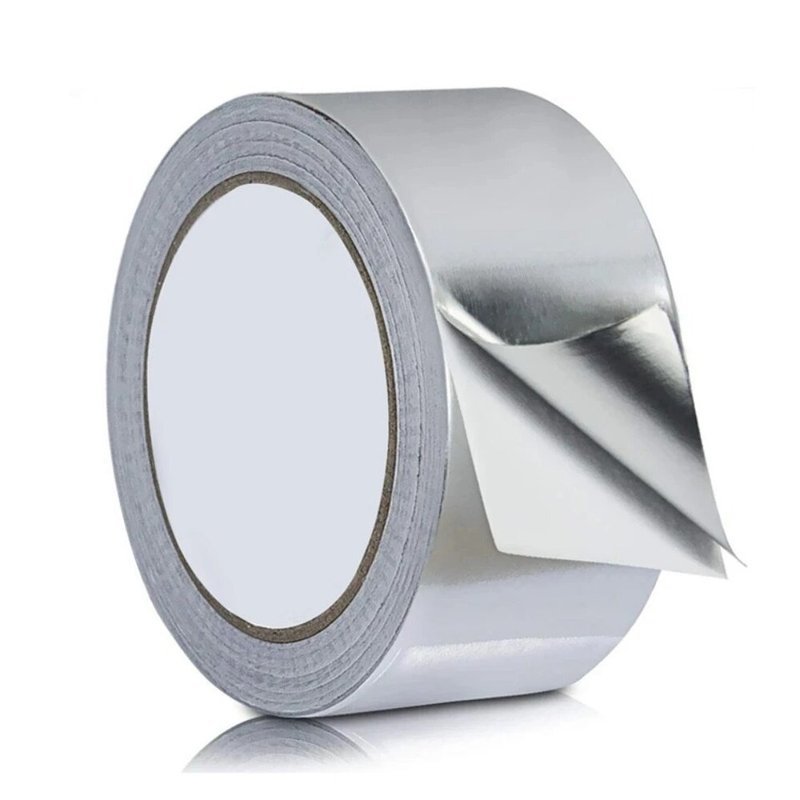
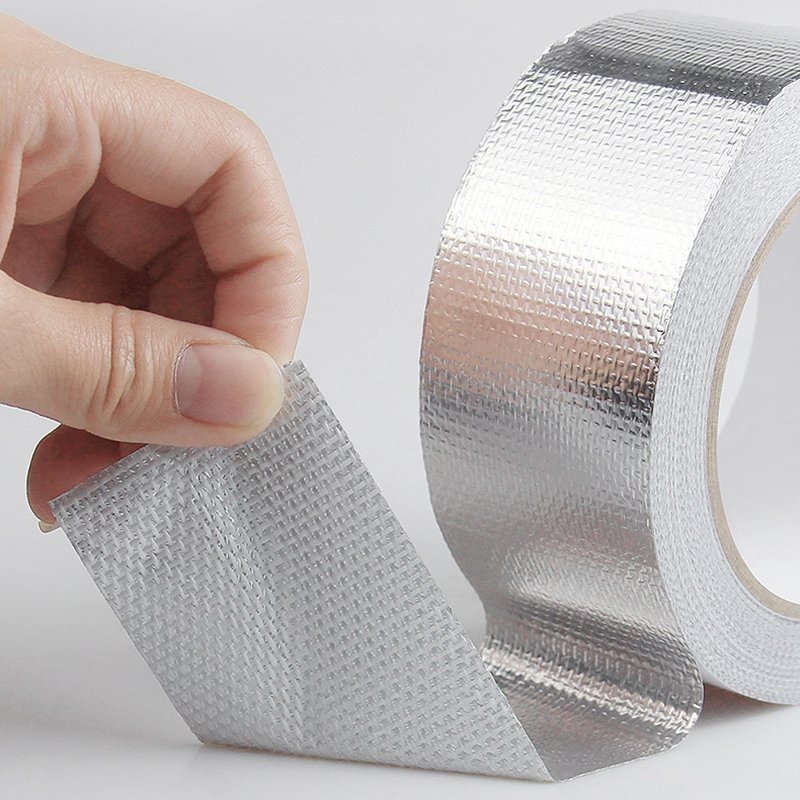
A conductive foil tape uses an adhesive loaded with silver, nickel or copper particles so current passes from the foil through the adhesive into the substrate. That through-thickness path is the whole point. A standard foil tape conducts along its length but insulates whatever it is stuck to, which makes it useless for bonding.
Copper foil is the usual carrier for grounding because of its conductivity and solderability; aluminum foil is lighter and cheaper but forms an insulating oxide layer within minutes of abrasion. Tin-plated copper is a common compromise where corrosion resistance matters more than cost.
Making a bond that stays low-resistance
Start with bare metal. Abrade the contact area, clean with isopropyl alcohol, and apply immediately, before oxide regrows. Press with a roller rather than a thumb, since contact resistance depends on the number of particle-to-surface contacts, and that number is a function of pressure. Then measure it.
- Record bonding resistance in milliohms, not as a pass or fail glance
- Overlap tape strips by 25 mm and roll the overlap twice
- Fasten with a screw or clamp where the joint carries fault current
- Re-measure after assembly, since a reworked cover can lift the bond
Tape is a bonding aid, not a substitute for a conductor. Where a fault current path is required, a braid or a dedicated conductor carries it, and the tape provides the local connection. Treating a strip of conductive foil as a ground strap is a common and unsafe shortcut.
These tapes ship in narrow widths, from 6 mm to 25 mm, on 10 m to 33 m rolls, often with a conductive release liner. Because the widths are narrow, MOQ is typically set per slit width, and buyers should confirm the liner is conductive on the adhesive side they intend to use.