Foil tape is a vapour barrier, not a structural tape
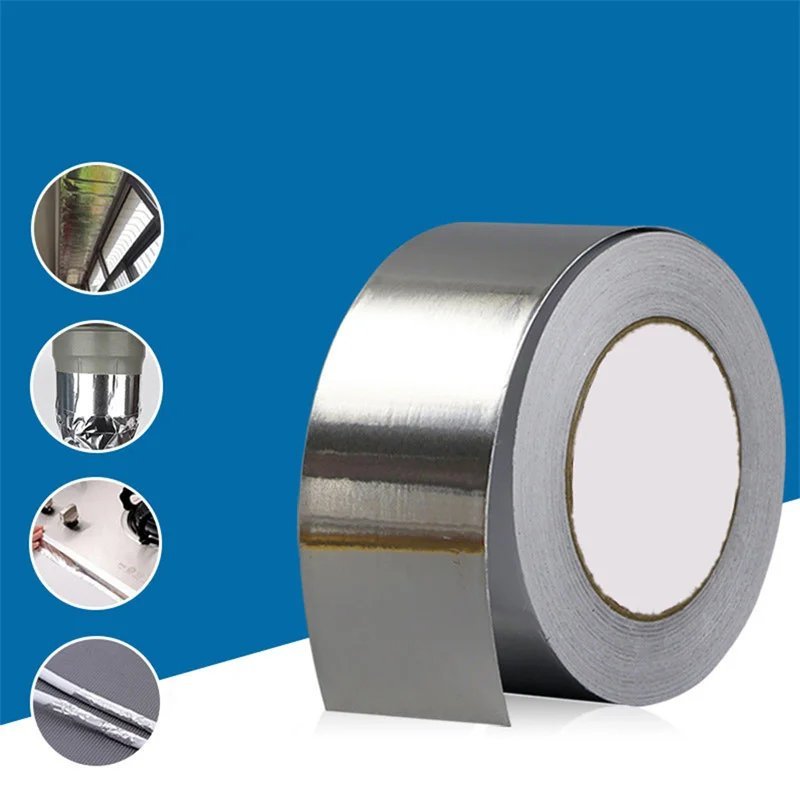
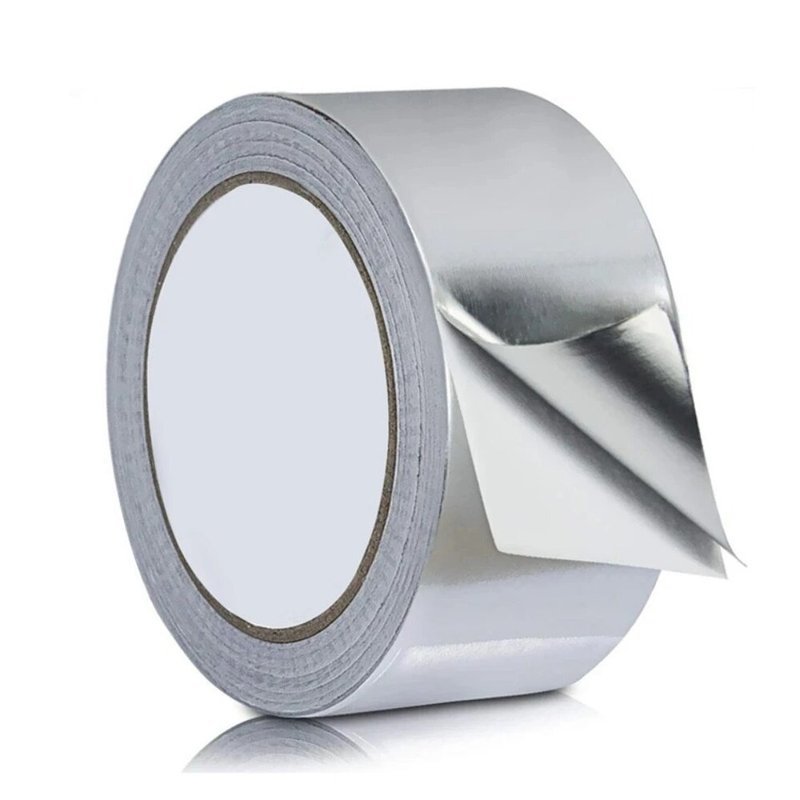
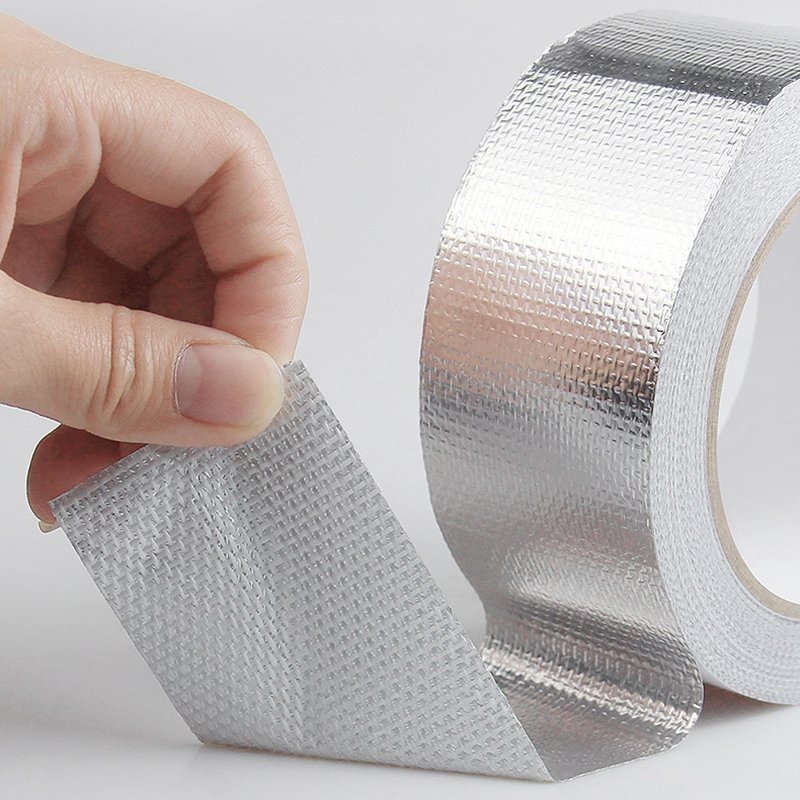
Aluminium foil tape is a thin foil, often 30 to 50 microns, with an acrylic or rubber adhesive and a paper liner. On HVAC work it seals insulation jacket seams, closes a vapour barrier and tapes flexible duct to a collar. The foil blocks moisture vapour and reflects radiant heat, which is why it is specified on insulated pipework rather than cloth tape.
Adhesive choice on ductwork
Aluminum foil tape for HVAC comes in two adhesive families. Acrylic suits outdoor runs and humid plant rooms, while rubber gives fast grab on indoor sheet metal. A liner on wide rolls stops the tape tearing on unroll, and foil thickness should match the abrasion expected on site.
- Acrylic adhesive for outdoor runs and high humidity plant rooms.
- Rubber adhesive for fast grab on indoor sheet metal.
- A liner on wide rolls so the tape does not tear on unroll.
- Foil thickness matched to the abrasion expected on site.
Getting a vapour tight seal
Dust and oil are the main cause of failure. Wipe the surface, press the tape from the centre out with a squeegee, and avoid stretching the foil, because it springs back and lifts the edge. Overlap seams by at least 50mm and run the tape in the direction of the airflow along the duct.
For a contractor, specify roll width to match the insulation seam and buy a grade with a printed liner, so every crew installs the vapour barrier tape for ductwork the same way. Aluminium foil tape 50mm wide covers most jacket seams, and the inspection then looks the same on every floor.