The carrier decides the behaviour
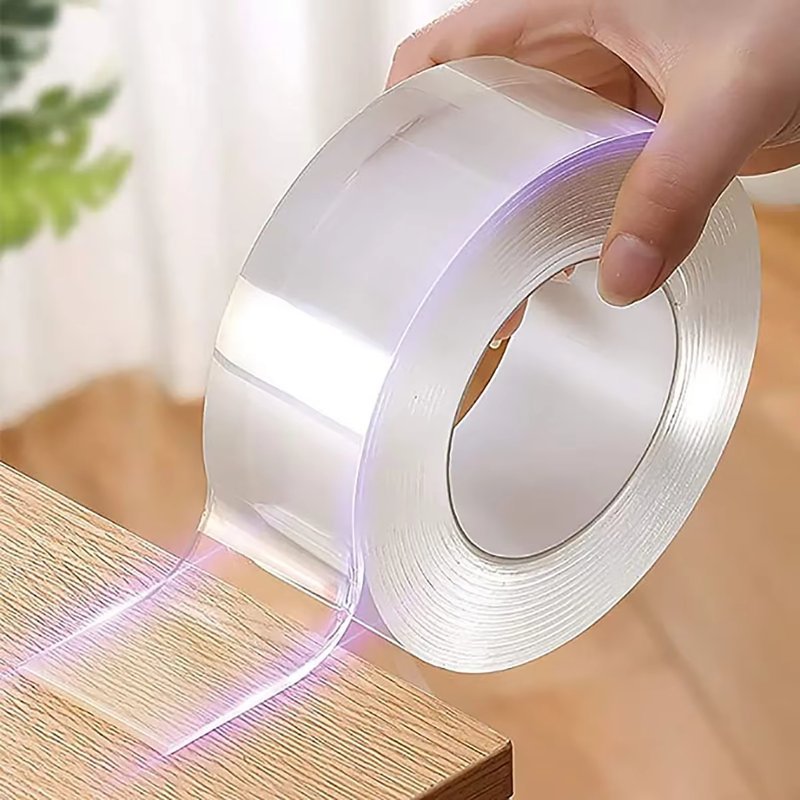
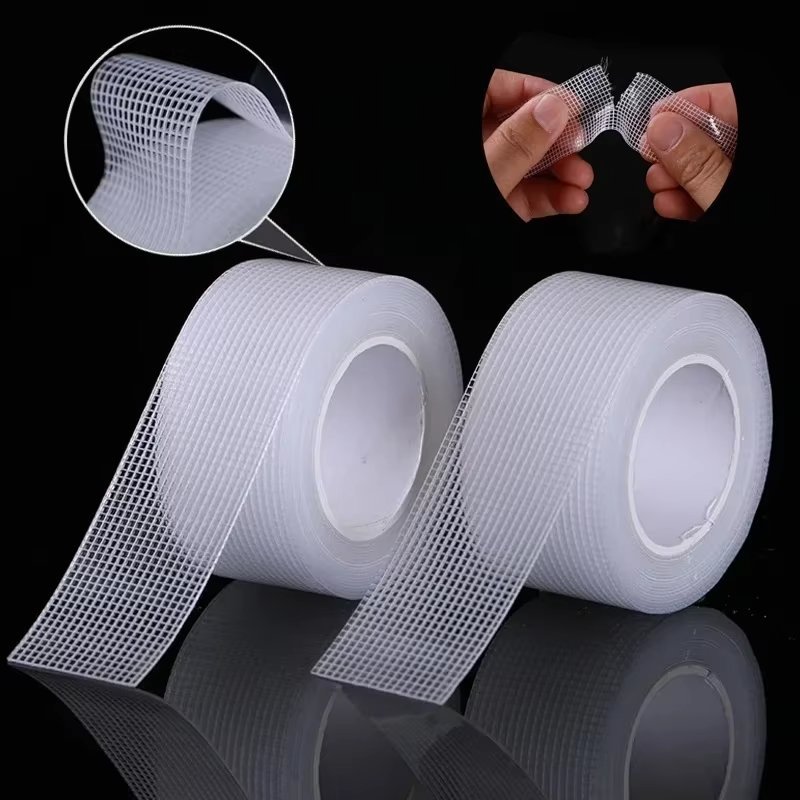
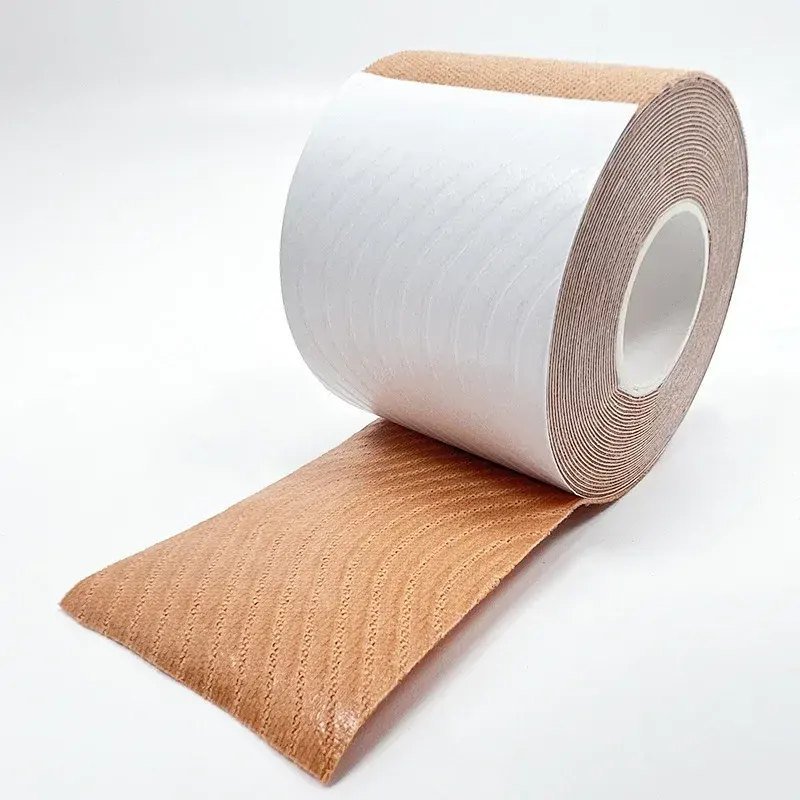
Double sided tape is an adhesive sandwich, and the middle layer is the part buyers overlook. A tissue carrier is a nonwoven paper mat saturated with adhesive. It is thin, flexible and tears by hand, which makes it ideal for manual assembly and for bonding to slightly curved or textured parts.
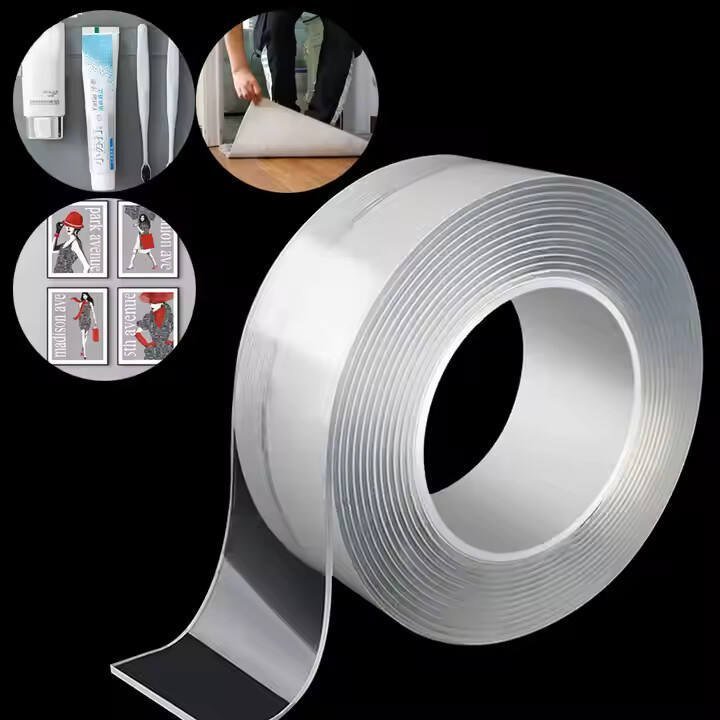
A PET carrier is a biaxially oriented polyester film. It does not stretch, does not tear by hand and holds its dimensions when die cut. That rigidity translates into much higher shear strength, so the tape resists a load pulling along the bond line rather than away from it.
Choosing between them
If the joint is flat, the part is die cut on a rotary press and the load is permanent, PET is usually the right answer. If the surface is curved, the part is applied by hand, or the tape has to conform around a corner, tissue will outperform a stiff film that lifts at the edges.
- Tissue: conformable, hand tearable, low cost
- PET: dimensionally stable, high shear, clean die cutting
- Tissue: good for paper, foam and light plastics
- PET: good for metal, glass and load-bearing brackets
Thickness matters as much as carrier. A 0.15mm tissue tape and a 0.15mm PET tape can carry very different loads, so ask for shear data at your expected temperature rather than comparing calliper alone.
Cost per square metre follows the same logic as performance. Tissue tape is cheaper to produce, so it wins on high-volume, low-load assembly, while PET commands a premium that is only justified where shear strength or die-cut accuracy actually matters. Buying PET for a job that only needs conformability adds cost without adding reliability.