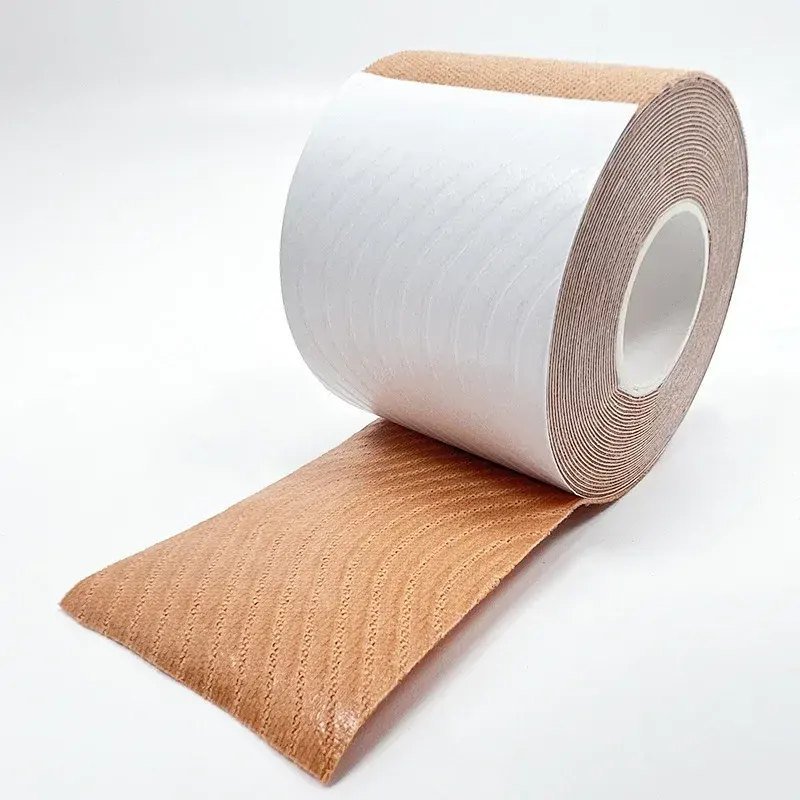

A replacement grip is the base layer glued to the handle; it sets the handle diameter and stays on for weeks or months. An overgrip is a thin sacrificial wrap applied on top, replaced when it loses tack or becomes slick. Confusing the two leads to complaints, because a 0.6 mm overgrip will never deliver the cushioning of a 1.8 mm base grip.
When an overgrip is the right call
Most club players use two or three overgrips per base grip. An overgrip is the practical choice when the handle diameter is already correct and the player wants fresh tack before each session, or when sweat is the main problem. Perforated surfaces and raised embossing both improve moisture handling, though embossing adds a little thickness.
- Smooth PU overgrip: maximum tack, best for dry hands
- Perforated overgrip: vents moisture, suited to humid courts
- Towel-style overgrip: soft and absorbent, short service life
- Contour or embossed: extra grip without a thick feel
When to replace the base grip
Replace the base grip when it compresses flat, the adhesive backing has migrated, or the wrap has hardened at the bevels. Base grips are usually 1.5 to 1.8 mm thick and 22 mm wide, with a tapered end and double-sided tape on the starting edge. A worn base grip cannot be rescued by adding another overgrip, because the handle shape has already changed.
Buying for clubs and pro shops
Stock a tacky smooth overgrip and an absorbent perforated option, then keep one base grip in a neutral colour. Overgrips are normally 25 to 27 mm wide and 1.0 to 1.2 m long, packed three to a blister or 12 to a box. Ask the supplier for the tack value retention after 30 minutes of hand contact, not just the initial tack reading.