Compatibility comes before adhesion
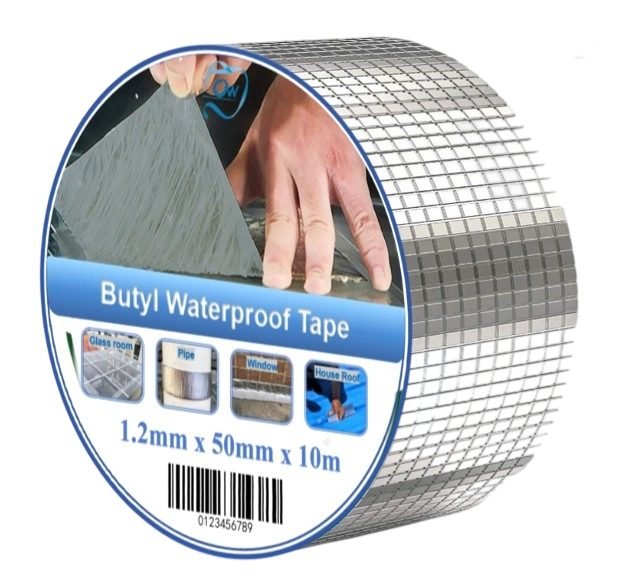
RV roofs are usually EPDM rubber, TPO or fibreglass, and each behaves differently under an adhesive. Solvent-based asphalt products soften EPDM and leave a migrating mess, so a butyl repair tape with a rubber-compatible adhesive is the safer default. TPO needs a clean, primed surface because its surface energy is low.
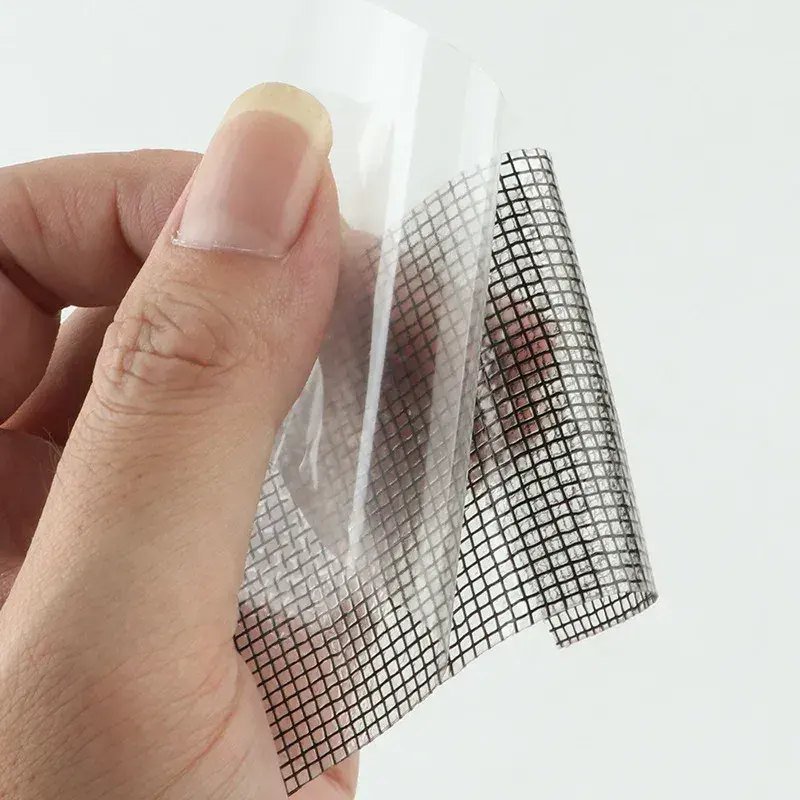
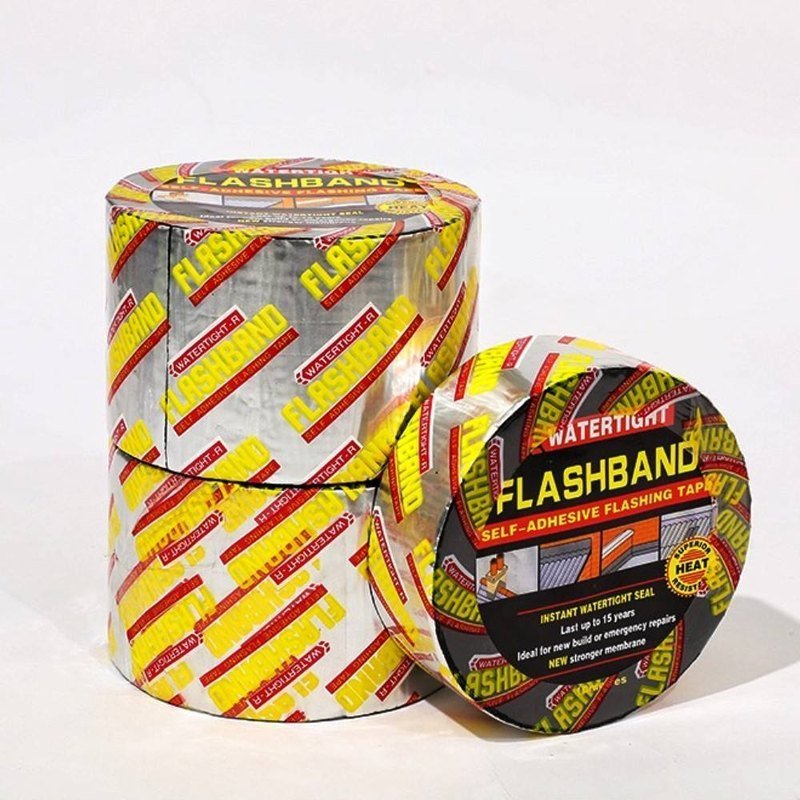
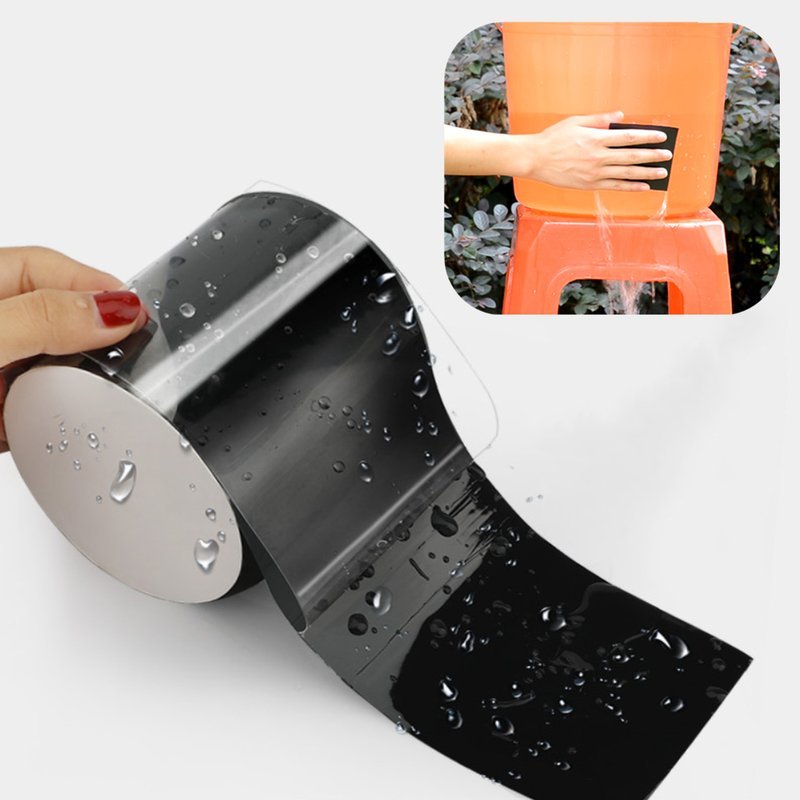
A proper RV roof repair tape is a laminate: butyl or synthetic rubber adhesive, carrier film, and a UV-stable facing. The facing keeps the repair alive through summer sun and winter frost, since unprotected rubber adhesive oxidises and turns to powder within a couple of seasons.
Where leaks actually start
On most caravans the membrane is intact and the leak is at a termination: a roof vent, skylight frame, aerial base or awning rail. Tape alone is not enough there. Remove old sealant, dry the area, tape the flange, then cover the tape edge with lap sealant so water never reaches the adhesive line.
- Clean with a dedicated EPDM or TPO cleaner, not a general solvent
- Let the membrane dry for a full day before taping
- Round the patch corners, because square corners lift first
- Finish with lap sealant on all four edges
Watch for soft spots in the deck. A spongy area under the membrane means water has already reached the plywood, and taping over it hides a problem that returns as delamination. Probe the area, and if the substrate is wet the repair belongs in a workshop.
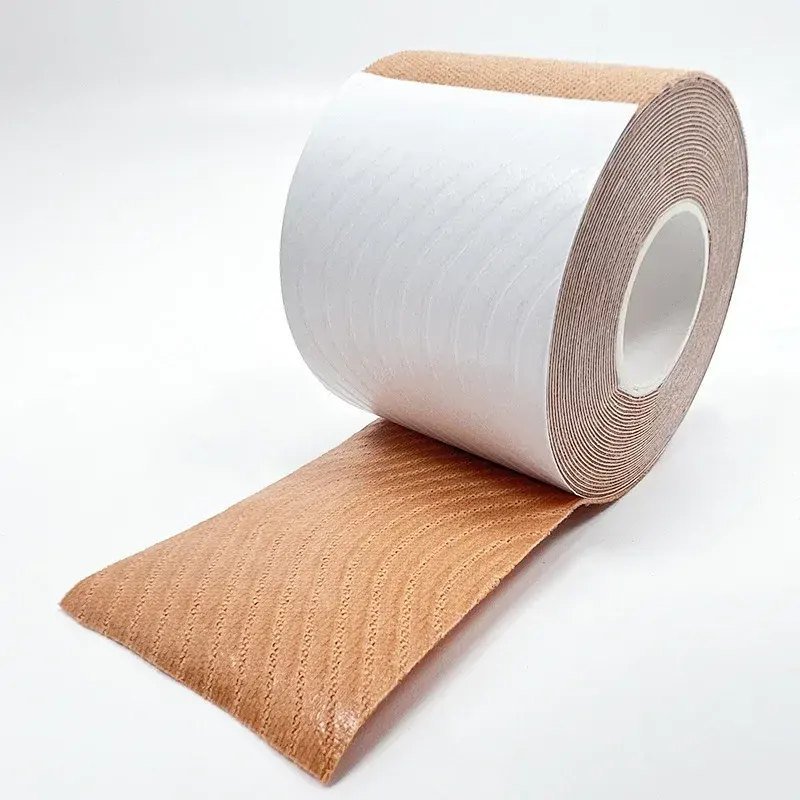
RV tape is often packed in 50 mm to 150 mm widths on 10 m rolls, with a printed backing film that doubles as a cutting guide. Butyl rolls kept in a hot warehouse skin over and lose tack, so specify shaded storage in the supply agreement.