
What conspicuity tape is for
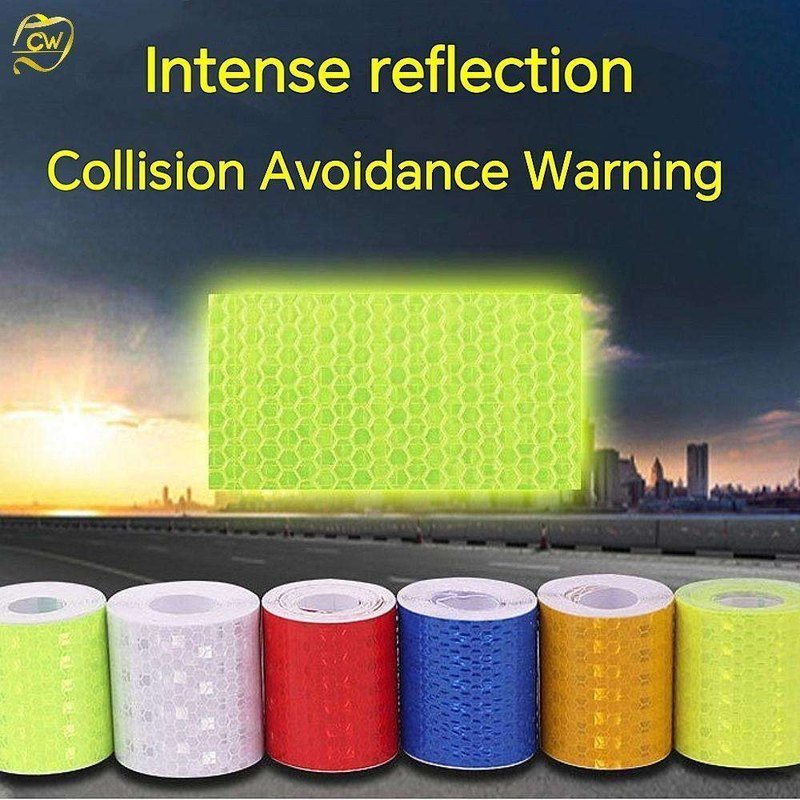
Conspicuity tape makes a vehicle visible to a driver who has not yet switched to high beam. It is retroreflective, meaning it returns light to its source rather than scattering it, so a pair of headlights at 200 m produces a bright, unmistakable outline. Red and white alternating segments are the familiar pattern on the sides and rear of long vehicles.
The grade matters. Consumer-grade reflective film looks bright in a shop and fades within two summers, while an engineering grade film is built for years of UV, washing and road spray. Ask for the reflectivity class and the expected outdoor life rather than judging a sample under office lighting.
Where the strips go
On trailers, tape runs along the full length of each side and across the rear, as close to the edge as the structure allows, at a height that stays within the regulated band above the road. Keep segments horizontal and unbroken; a strip that steps around a rivet line still reads as a line from a distance, but gaps break the outline.
- Wash the panel, then wipe with isopropyl alcohol and let it dry
- Apply above 10 degrees Celsius to a surface that is not cold-soaked
- Roll firmly from the centre out, especially over rivets and seams
- Avoid stretching the film around corners; cut and butt instead
The commonest failure is application over a dirty or oxidised panel, where the tape lifts at the leading edge and peels back at motorway speed. The second is cutting segments to fit a panel, which destroys the pattern and reduces the signal that the standard is designed to create.
Conspicuity tape ships in 50 mm width on 30 m to 50 m rolls, with the red and white pattern pre-printed. Buyers should confirm the pattern repeats without a joint at the roll end, because a mismatch mid-trailer is visible and looks like a repair.