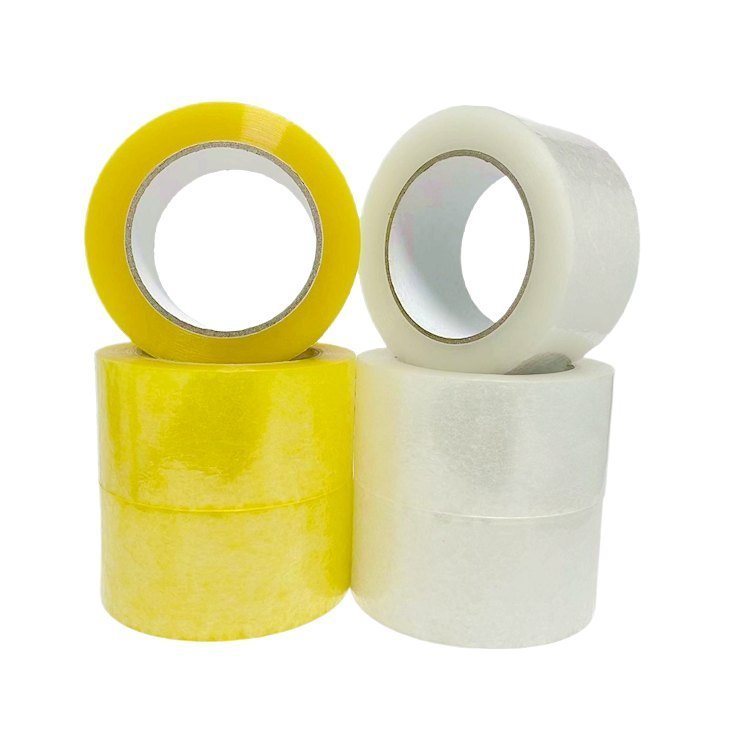
Start with the seam, not the price
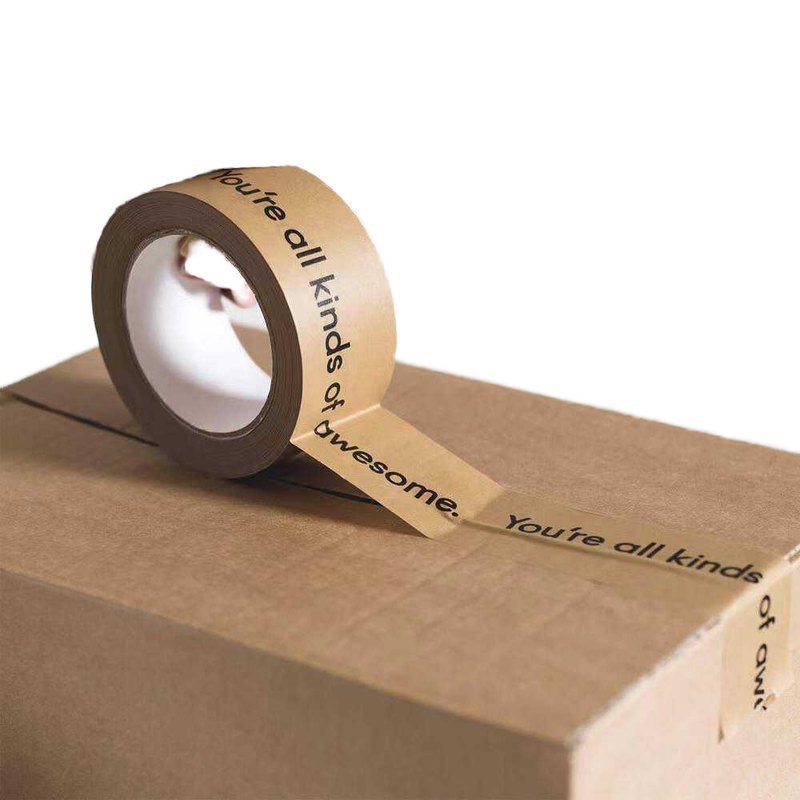
The centre seam of a regular slotted carton is the weakest line on the box, and tape only helps if it bridges that line with margin on both sides. A workable rule is to leave at least 25mm of tape on each flap. That single rule explains why 48mm is the default for standard boxes: it gives a 24mm strip either side of the joint with a small overlap.
Narrower rolls of 24mm and 36mm are efficient on small e-commerce mailers where the flap is short and a wide strip would wrap around the edge. They are a poor choice on a 400mm box because the same load is carried by less adhesive area, and the seam will creep open under stacking pressure in transit.
Match width to weight and handling
Weight per carton is the second input. Up to roughly 15kg, a 48mm roll at 45 micron is usually enough when the box is sealed top and bottom. Above that, or when boxes are single-stacked and handled manually, move to 72mm or add a second strip. Double-wall board, tall boxes and anything palletised without stretch film all reward extra width.
- Small mailers: 24mm to 36mm
- Standard shipper: 48mm
- Heavy or oversized: 72mm
- H-sealing heavy loads: 48mm with two parallel runs
Finally, confirm the dispenser or case sealer accepts the roll. A 72mm roll needs a wider head and a different mandrel, and buying wide tape for a machine that cannot hold it simply moves the problem downstream.