
Count cartons first, rolls second
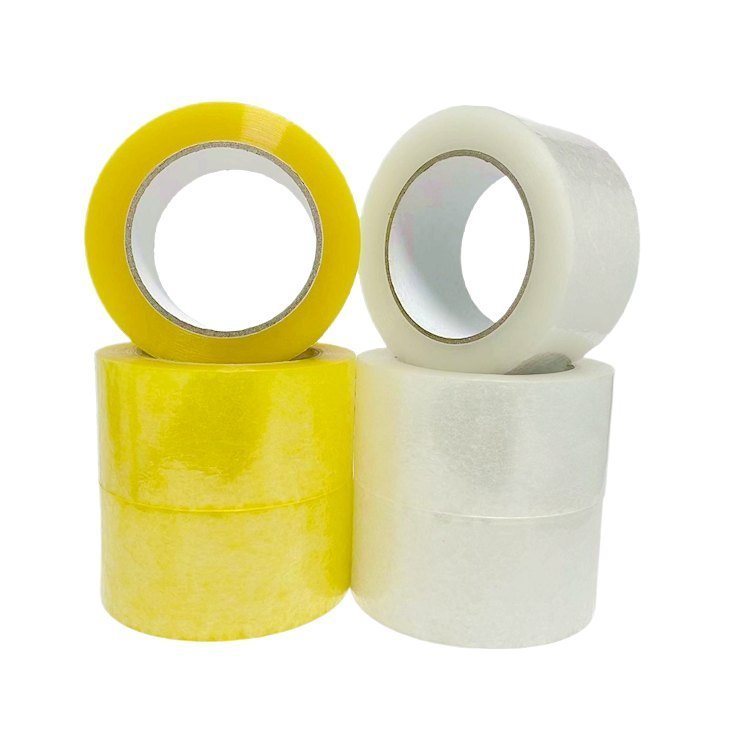
Tape is shipped in master cartons, and the carton is the unit that determines pallet quantity. A typical master carton holds 36 or 72 rolls of 48mm tape, arranged in two or three layers. The pallet count then follows from carton dimensions and the maximum load height your warehouse or container allows.
Roll diameter is the hidden variable. A 48mm x 100m roll at 45 micron is roughly 115mm across, while a 1000m machine roll is closer to 300mm and fills a carton far faster. Two suppliers quoting the same number of rolls per carton may be shipping very different total metres.
Practical loading limits
Standard pallets are stacked to about 1.8m including the pallet itself, which usually lands between 1.0 and 1.3 tonnes of tape. That is comfortably inside most container weight limits, so height is normally the binding constraint rather than mass. Mixed SKUs on one pallet reduce stability and are best avoided for export.
- Confirm rolls per master carton, not per pallet
- Check carton dimensions against pallet footprint
- Keep stacks to 1.8m for stability
- Ask for pallet pattern drawings before ordering
For a first order, calculate demand in metres per month, divide by metres per roll, then round up to full master cartons. Ordering in carton multiples keeps the pallet pattern intact and avoids the awkward part-layer that collapses in transit.
Container loading is a separate calculation from pallet building. A 20ft container takes ten standard pallets on the floor in most configurations, a 40ft takes twenty, and pallets that overhang the footprint waste the slot even when the weight would allow more. Confirm the pallet plan against the container before the order is released.