
Machine grade is not a marketing label
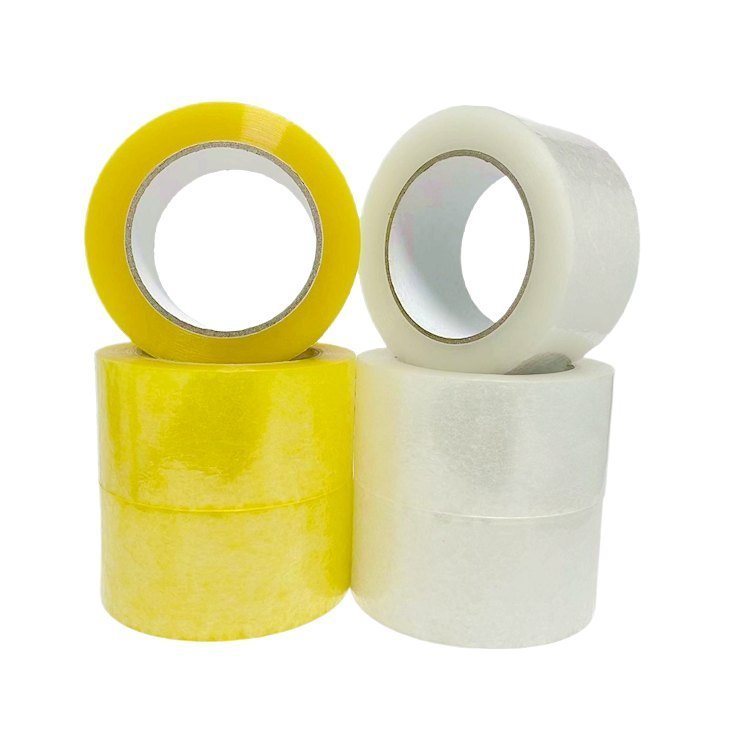
A case sealer pulls tape from the roll at line speed, presses it onto a moving box and cuts it in a fraction of a second. That sequence demands consistent unwind tension, a film that does not stretch under pull, and an adhesive that grabs on contact rather than after a dwell. Hand-grade tape can be excellent on a dispenser and still fail every hundred boxes on a machine.
The two visible differences are roll length and core. Machine rolls commonly run 1000m or more on a 76mm core so operators reload less often, and the winding tension is controlled so the roll does not telescope when the head accelerates.
What causes jams
Most jams trace back to four things: tape that stretches and wraps the roller, adhesive transfer onto the blade, a splice that is thicker than the tape, and a roll wound too loosely so it clocks at speed. Stretch usually points to a film that is too thin for the pull; adhesive transfer points to a soft grade running in a hot head.
- Confirm 76mm core and the correct roll diameter
- Specify machine grade adhesive, not hand grade
- Ask how splices are made and marked
- Check head temperature if transfer appears
Keep a short log of jam frequency against roll batch. When a new pallet of tape doubles the jam rate, the batch number tells you more than any visual inspection, and it gives the supplier something concrete to test against.