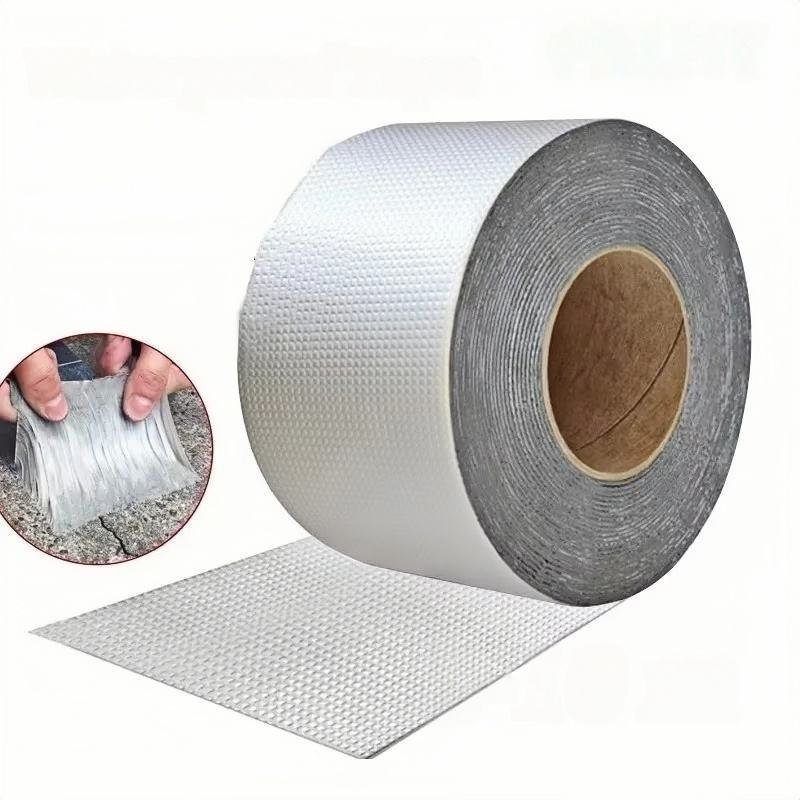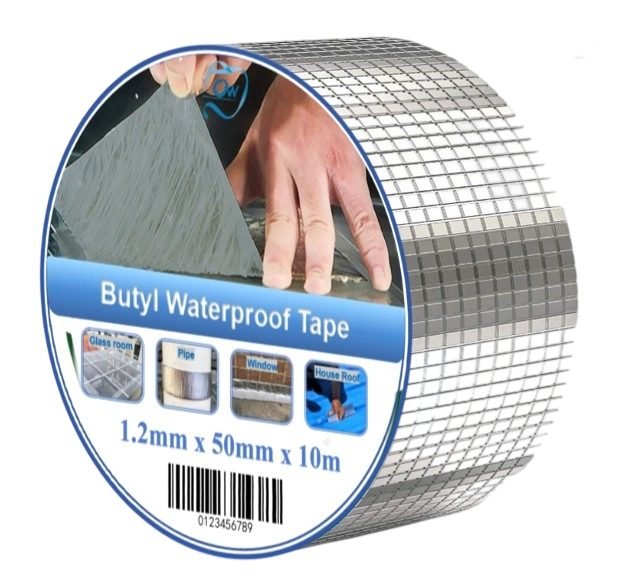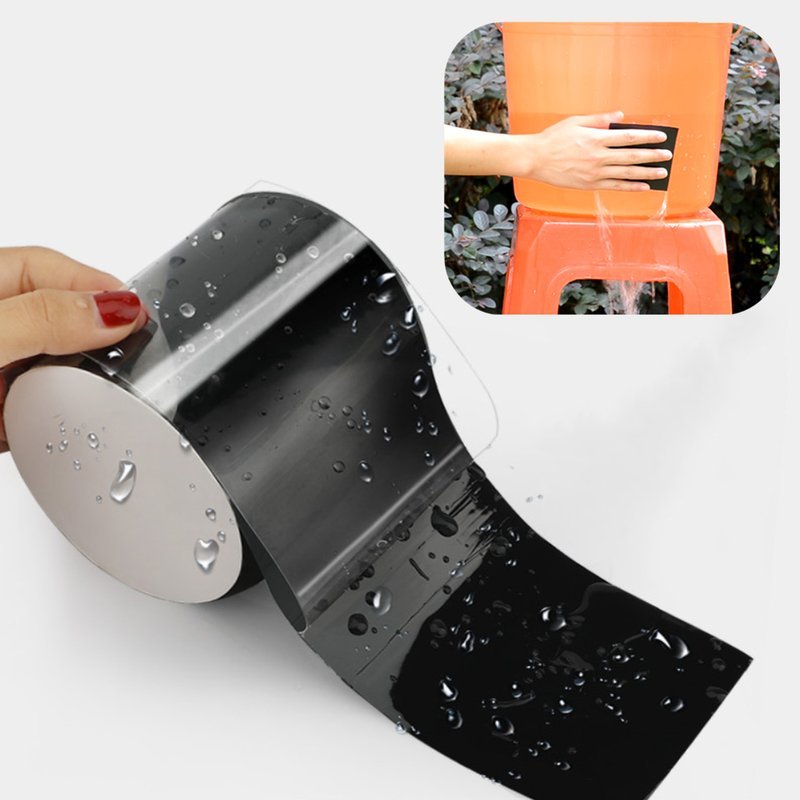
Why butyl tape has a shelf life at all
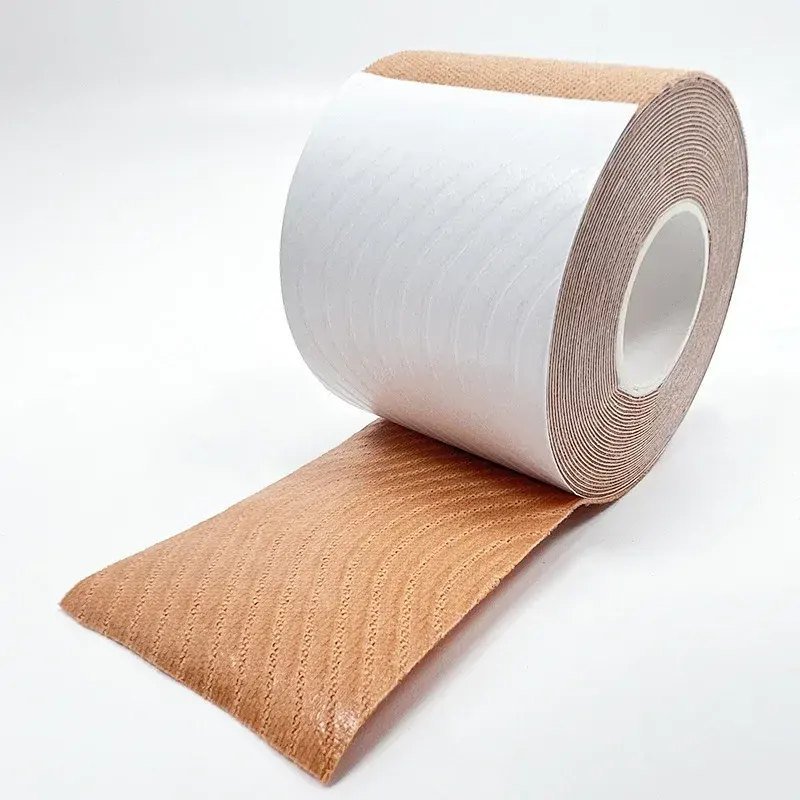
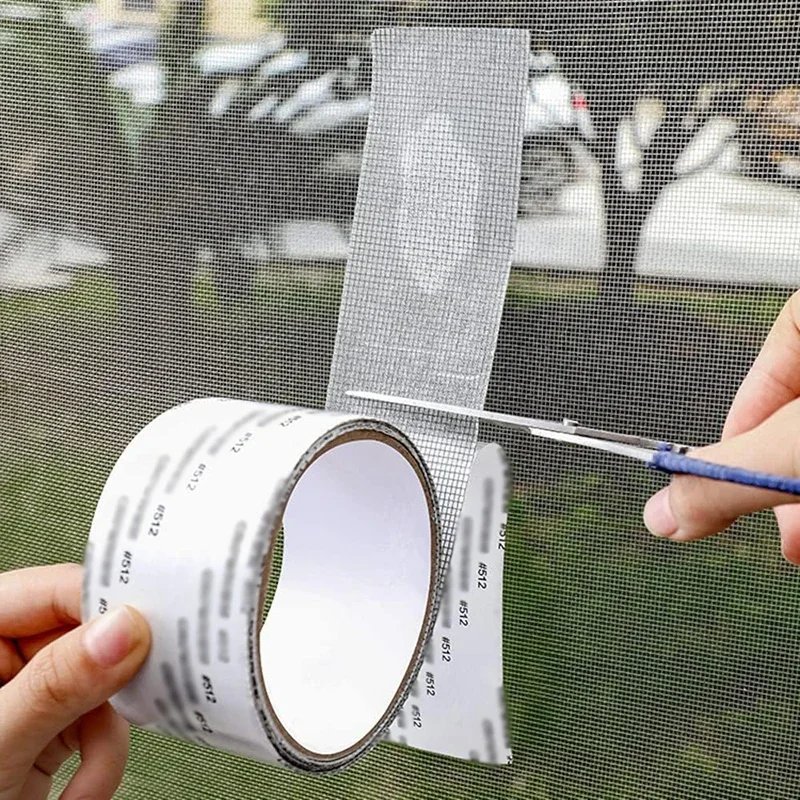
Butyl adhesive does not cure, so it never truly expires, but it does change. The compound slowly absorbs moisture, the release liner takes a set, and the roll edges oxidise into a thin skin. The tape still sticks after two years in a cool store; it may not stick after two summers in a metal container.
Most manufacturers work to 12 to 24 months from production when rolls are kept below 25 degrees Celsius, out of direct sun, and in the original shrink wrap. Sealed rolls hold their tack noticeably longer than opened ones, because the wrap is the moisture barrier.
Conditions that shorten usable life
Heat is the main enemy. A roll left on a dashboard or in an unventilated container reaches 60 degrees Celsius, and the compound migrates into the liner until the tape will not unwind cleanly. UV is second: sunlight attacks the exposed edge of any opened roll and turns it chalky within days.
- Store flat, not on edge, to stop the roll ovalising
- Limit stacking to five cartons so lower rolls do not compress
- Keep away from solvents, which migrate through paper liners
- Rotate by lot number and ship the oldest stock first
Cold storage is safe but needs planning. Butyl stiffens below 10 degrees Celsius and can crack if unrolled straight from a cold warehouse. Bring rolls to room temperature for 24 hours before installation, still sealed, so condensation forms on the wrap rather than the adhesive.
For a distributor, adding a production date and lot number to the carton costs almost nothing and prevents the most common complaint in this category: a roll that arrives six months old and behaves differently from the last shipment.