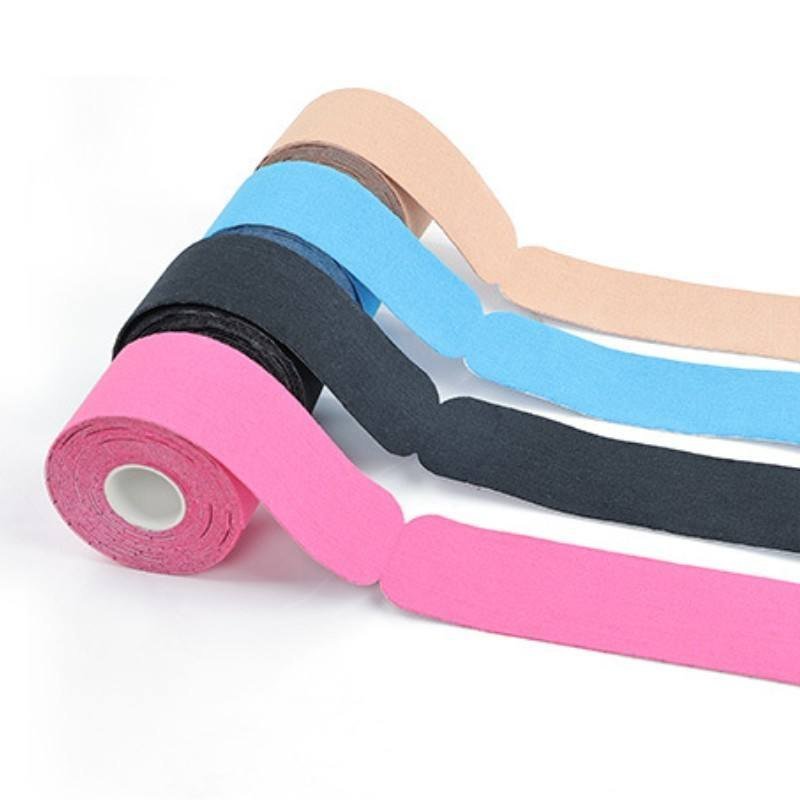
What cloth hockey tape is made of
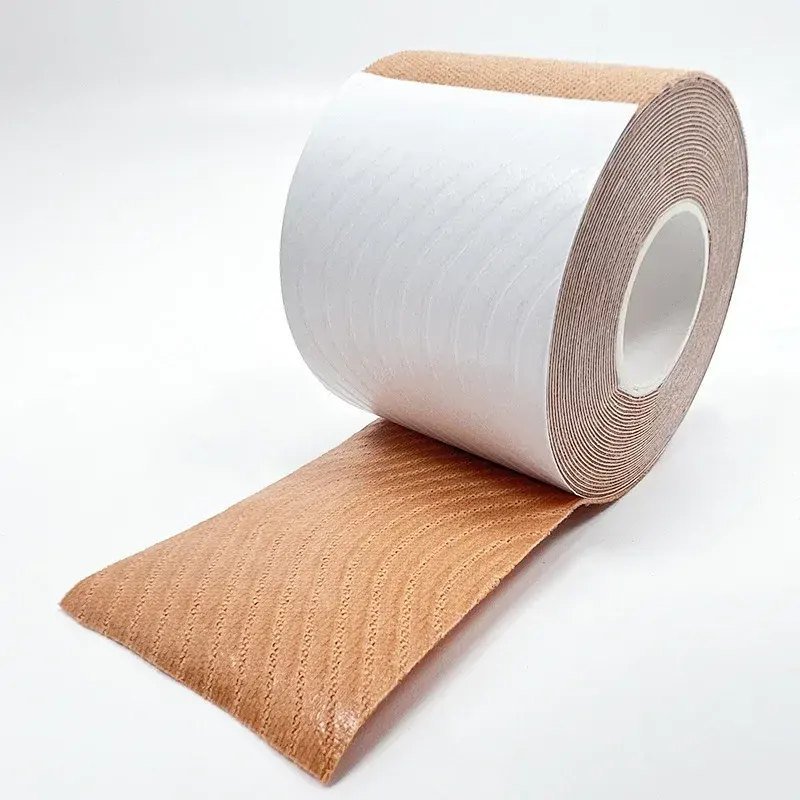
Cloth hockey tape is a woven cotton or polyester fabric, usually 0.25 to 0.35 mm thick, coated with a natural or synthetic rubber adhesive. The weave matters more than most buyers expect. A tight weave resists fraying when the tape is cut and rewrapped, while a looser weave conforms around the curved heel and toe of a blade. Widths of 24 mm and 25 mm cover most stick work, 38 mm suits knob wraps, and 12 mm is used for edge detailing.
Where composite and clear tapes fit
Composite tape bonds a thin plastic film to the cloth backing, which keeps the surface drier and reduces drag on the puck. It costs more and is less forgiving on badly chipped blades. Clear blade tape is a film tape chosen by players who want to see the blade graphic or who skate on synthetic ice, where cloth fibres can freeze and shred.
- Cloth: strongest grip on wet ice, lowest cost per metre, absorbs shock
- Composite: lower friction, cleaner puck release, preferred at elite level
- Clear film: visual blade check, indoor and synthetic surfaces
Specifying tape for a team or retail programme
Ask for fabric weight in grams per square metre, adhesive coat weight, and peel strength on steel after 24 hours. For a team order, confirm roll length, because a 25 m roll and an 18 m roll look identical on a shelf. If the tape will sit in a warm retail display, specify a rubber adhesive that resists oozing rather than a soft, tackifier-heavy formula.
Private label tape is normally shrink-wrapped in trays of 10 to 12 rolls, then packed in master cartons of 12 to 24 trays. Confirm whether the buyer wants a tear strip, a printed core or a hang tag, because each addition changes the minimum order quantity and the production lead time.