
Tape or paint
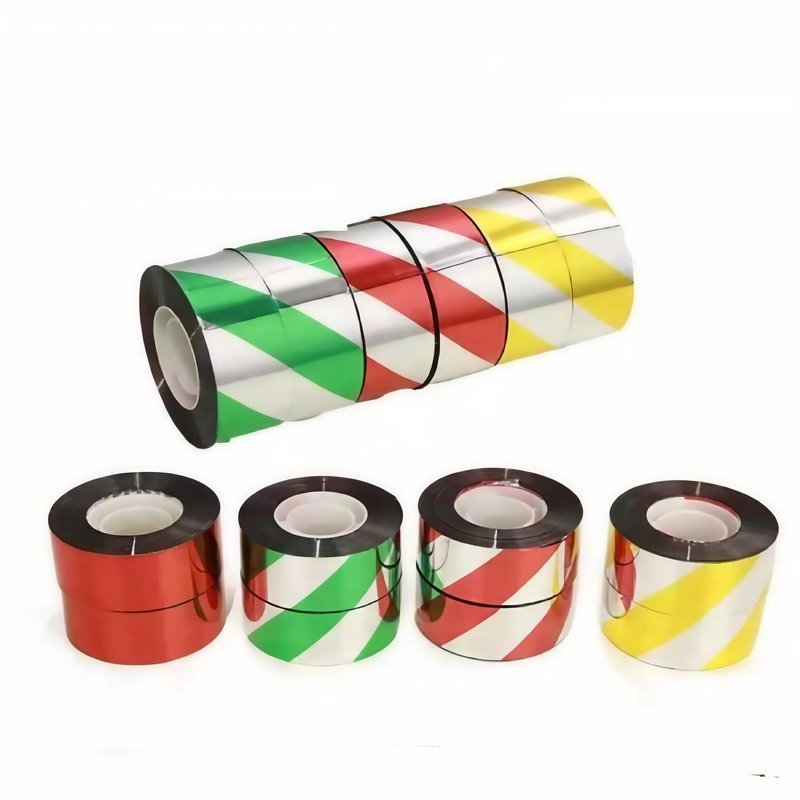
Floor marking tape is the fast option: no curing time, no masking, and a line can be repositioned when racking moves. Paint lasts longer in heavy forklift traffic but takes a shift to dry. Most warehouses end up with tape for walkways and pick faces, and paint for the main traffic spines.
The carrier is usually plasticised PVC at 0.1 to 0.15 mm, sometimes with a textured or anti-slip surface. Thicker tape resists pallet drag better, while a thinner film conforms to a worn, slightly uneven slab. Adhesive choice matters as much: rubber adhesive grips dusty concrete, acrylic holds better on sealed floors.
Concrete is the hard part
Concrete is porous, dusty and often sealed with a curing compound that behaves like a release agent. Sweep, degrease, and test a short strip before committing to a full layout. On sealed floors, a primer or a light abrasion gives the adhesive something to bite, and the difference in service life is measured in months.
- Lay tape at room temperature, above 15 degrees Celsius
- Burnish with a roller or weighted squeegee, not a hand
- Leave 75 mm between parallel lines so each reads separately
- Re-roll edges after the first week of forklift traffic
Colour should follow the site's own standard rather than habit: yellow for physical hazards and tripping points, red for fire equipment and prohibition, white or green for walkways and safe routes. Consistency matters more than the exact hue, because drivers learn the pattern rather than the label.
Warehouse tape ships in 33 m rolls, 50 mm to 100 mm wide, usually 12 or 24 rolls per carton. For a large layout, ask for a width and colour assortment in one carton, since a maintenance team ordering line by line will run short of one colour.