The joint is the weak point
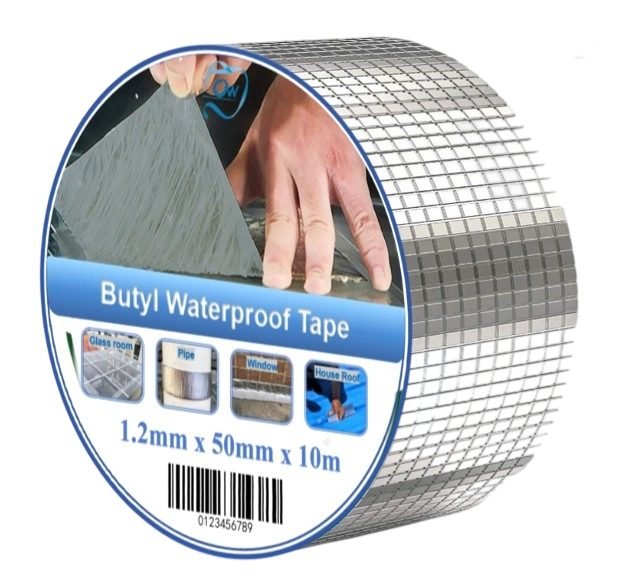
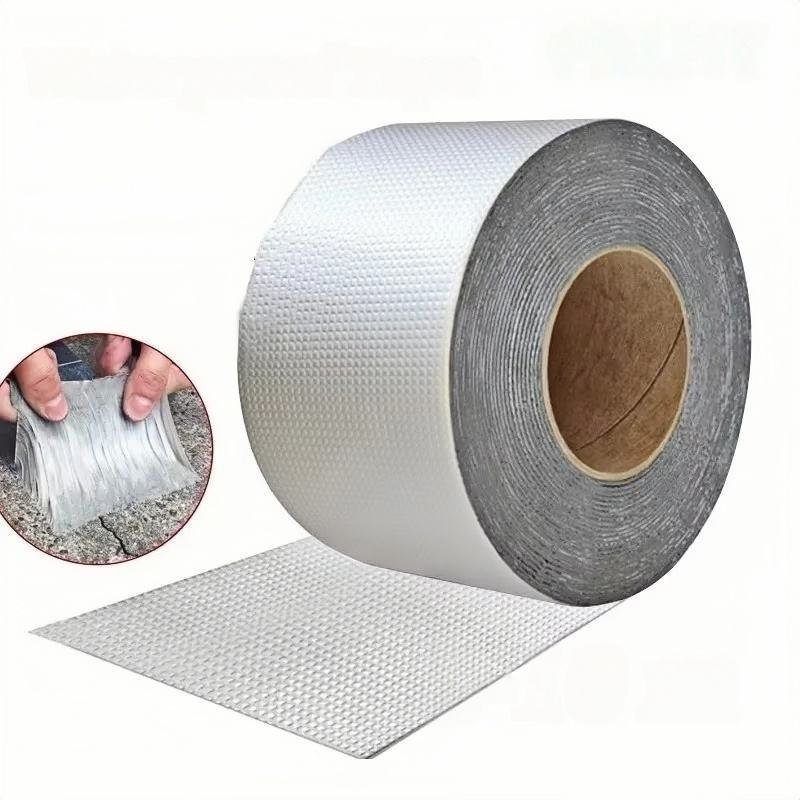
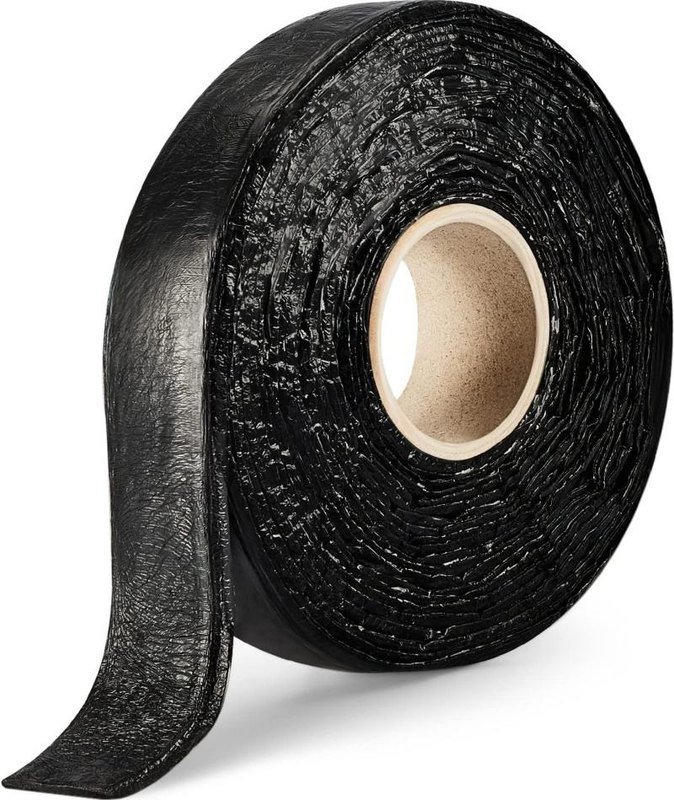
Sectional gutters leak where two lengths meet, where an end cap sits, and where a downspout outlet was cut in. Sealant in those joints dries, cracks and drops away, leaving a gap that drips onto the fascia. Butyl gutter repair tape bridges the gap with a flexible layer that moves with the metal instead of cracking.
Repair from the inside wherever the gutter is accessible. Water presses the tape against the substrate, so the hydraulic load works for you. An external patch only holds while the adhesive beats the water pressure at the leak, a much harder specification to meet.
Cleaning is most of the job
Gutter interiors carry algae, grit and oxidised metal, and no adhesive bonds through that. Scrape the joint, scrub with detergent, rinse, then wipe with solvent and let it dry completely. On aged aluminium, light abrasion with a scouring pad lifts the loose oxide and roughly doubles peel strength.
- Work in dry weather, ideally two days without rain
- Cut the patch 50 mm longer than the leak on each side
- Press from the centre outwards to push air ahead of the tape
- Support the joint underneath while rolling so the gutter cannot flex
Freeze-thaw separates a good repair from a temporary one. Water sitting in a partly blocked gutter expands overnight and forces the tape off a poorly bonded edge, so clear the run and check the fall before patching. On long runs, add a rivet through the patch at each end.
Gutter tape is typically supplied at 50 mm wide in 5 m or 10 m rolls, with a foil or film facing to resist UV and leaf abrasion. Maintenance contractors usually want a dispenser box, since installers work one-handed on a ladder.