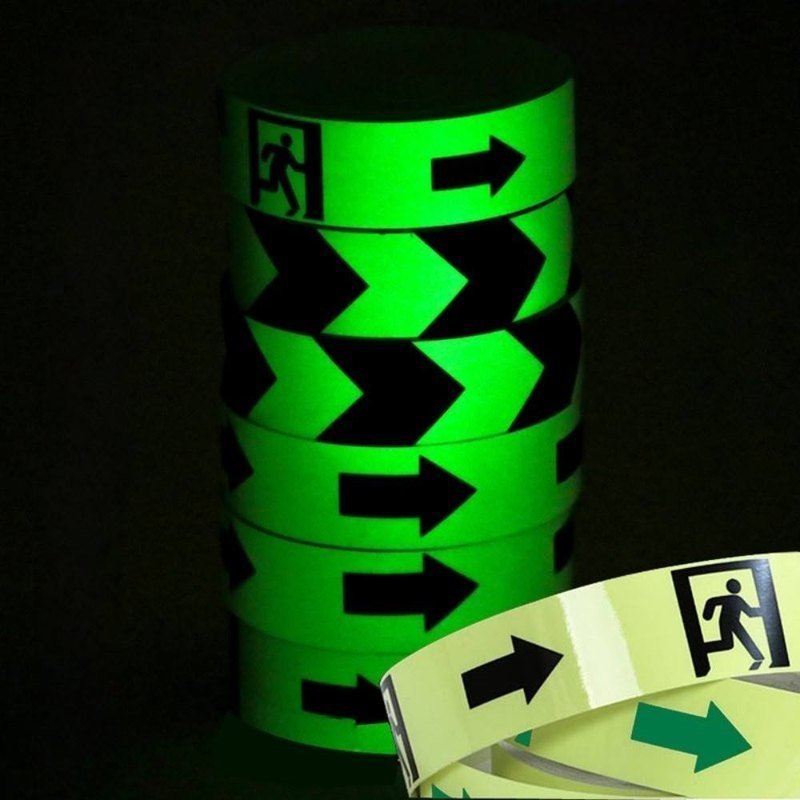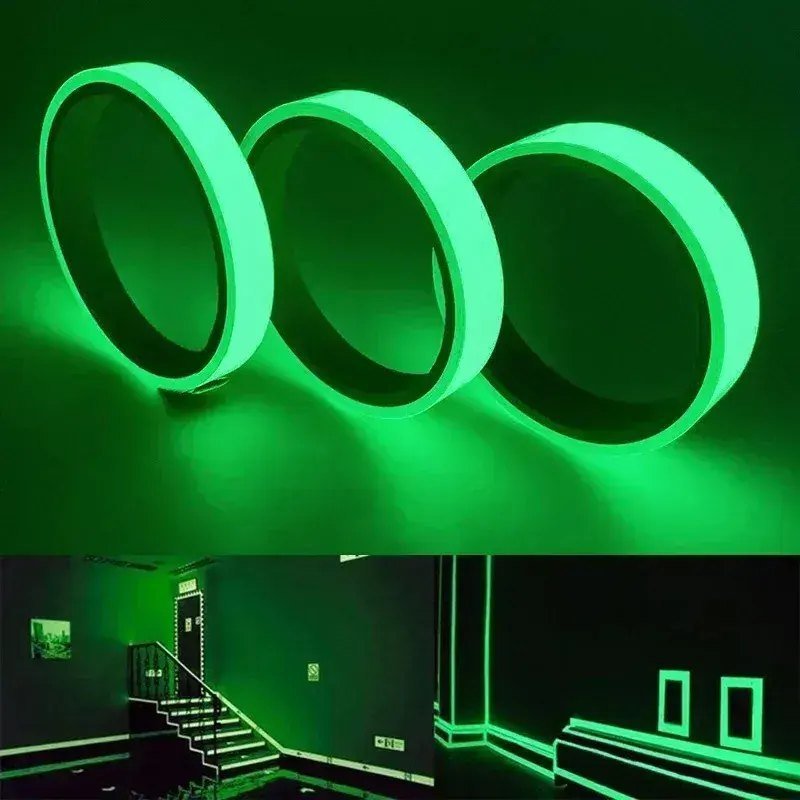

Luminance is reported in millicandela per square metre and describes how bright a surface appears in a given direction. For photoluminescent tape, the useful figure is not the peak at one second after the light is removed, but the value after ten minutes, one hour and eight hours. A tape with a high peak and a fast decay can be dimmer than a modest product after an hour.
Reading a decay curve
A proper data sheet gives a charging condition, a charging time and a series of luminance readings. Without the charging condition, numbers are not comparable, because a sample charged under strong light will always outperform one charged under office lighting. Ask for the test method and the pigment class alongside the figures.
- Charging illuminance and duration, usually stated in lux and minutes
- Luminance at 10 minutes, 60 minutes and 8 hours
- Pigment class under a recognised classification system
- Backing colour and whether the value is measured through grit
Brightness is not the only number
A white or light backing reflects more light back through the pigment layer and reads brighter than a black backing at the same pigment loading. Coarse anti slip grit covers part of the surface and reduces measured luminance. Thicker pigment layers raise brightness but can make the tape stiffer, which matters on curved or uneven surfaces.
Comparing suppliers fairly
Send the same test request to each supplier: charge for the same time under the same illuminance, then measure at the same intervals with the same instrument geometry. Where a supplier cannot provide decay data, treat the product as unverified. This approach also protects you at tender stage, when a competitor may quote a peak brightness that says little about overnight performance.