What the numbers on a data sheet mean
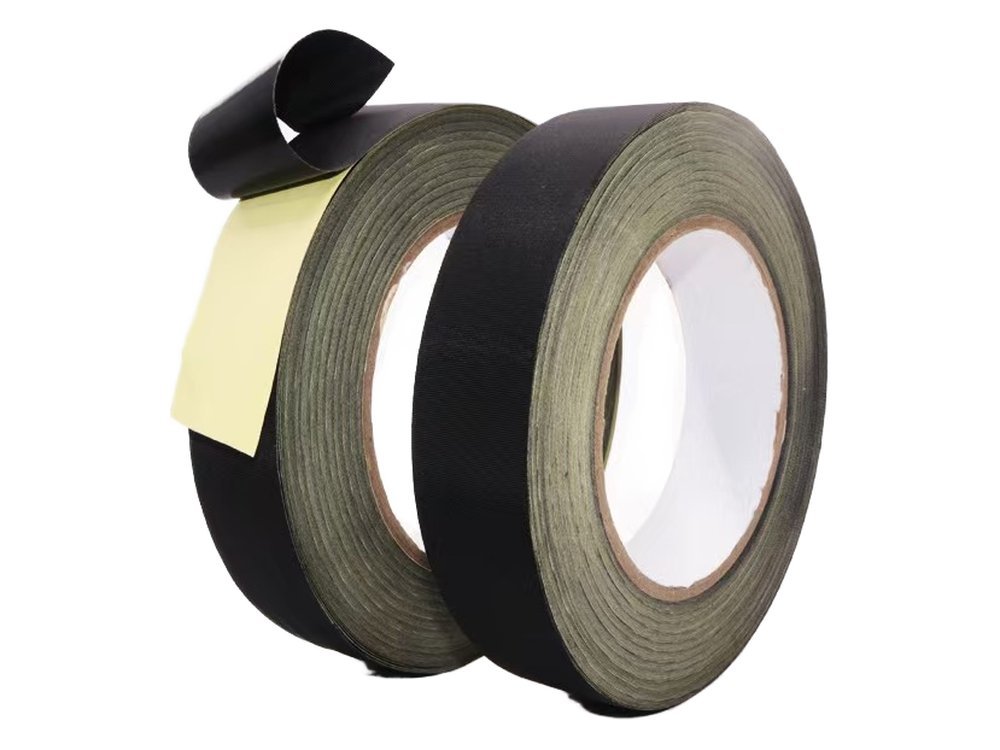
A cloth duct tape data sheet quotes peel adhesion, tensile strength and elongation. Duct tape peel adhesion is measured by pulling a strip from a steel plate at 180 degrees and is usually given in newtons per 25mm. Tensile strength is the force the tape takes before it breaks, and elongation tells you how far it stretches before that happens.
Reading the three figures together
Duct tape tensile strength means very little on its own. High peel with low tensile gives a tape that grips but tears around a corner, while high tensile with low peel is a strapping tape that will not sit on a dusty surface. Elongation above 20 percent conforms well to irregular joints but makes clean tearing harder.
- High peel with low tensile gives a tape that grips but tears around a corner.
- High tensile with low peel gives a strapping tape that will not sit on a dusty surface.
- Elongation above 20 percent conforms well to irregular joints but makes clean tearing harder.
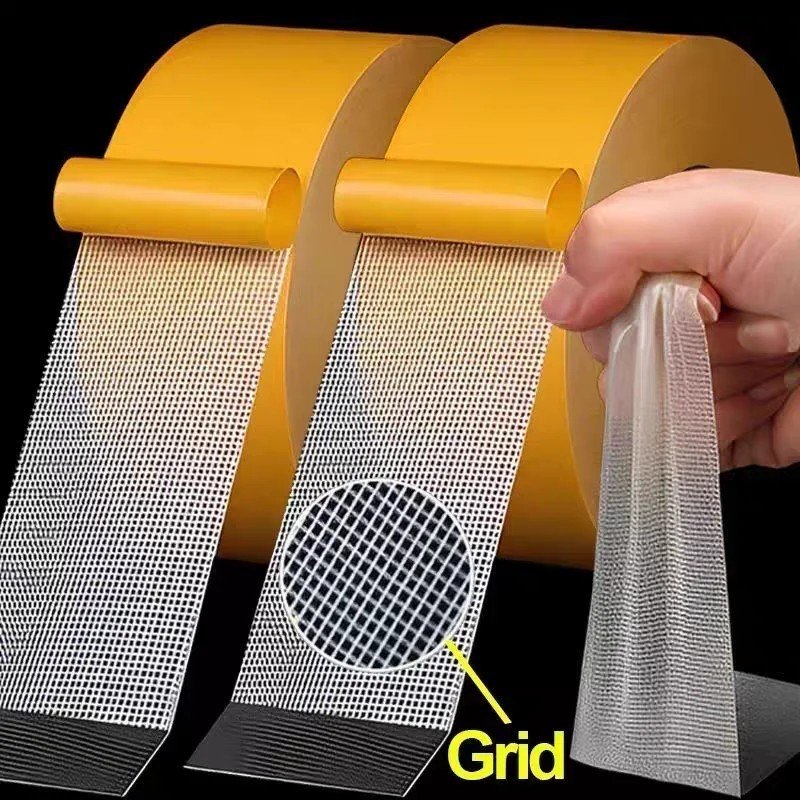
- Caliper and scrim count explain most of the difference between two grades.
Matching the test to the job
Caliper and scrim count explain most of the difference between two grades, and both are easy to check with a micrometer and a pair of scissors. A denser scrim resists tearing and a thicker film resists abrasion, but neither tells you how the adhesive will behave on a cold, dusty surface.
A data sheet value is measured on a clean steel plate at a fixed temperature and peel rate. Your floor is dusty, cold and being walked on. Ask for the test method with every number, and buy against a sample that has been tried on your own surface for a full shift.