What transfer tape actually is
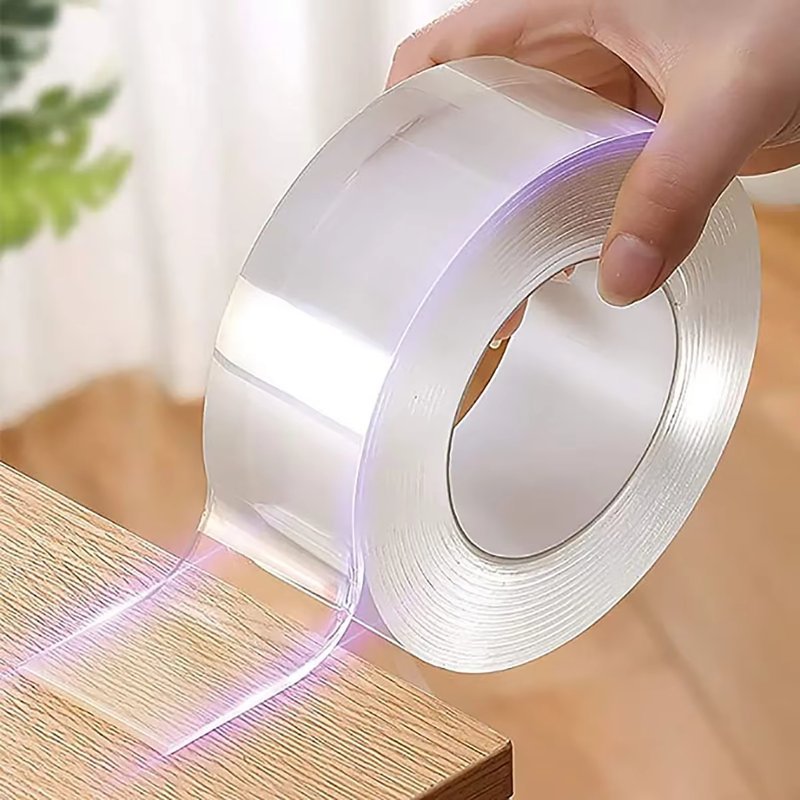
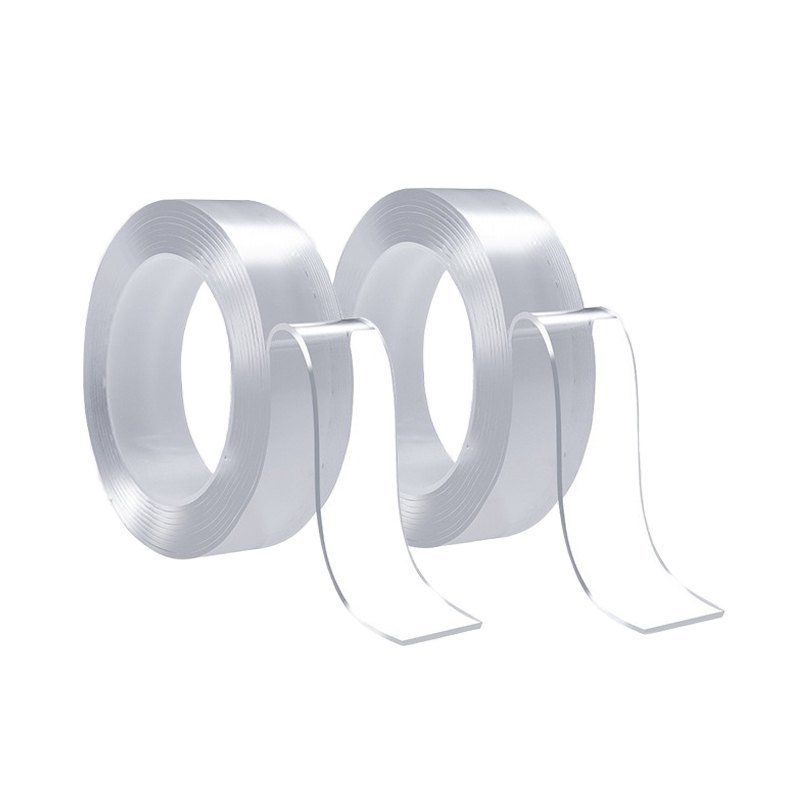
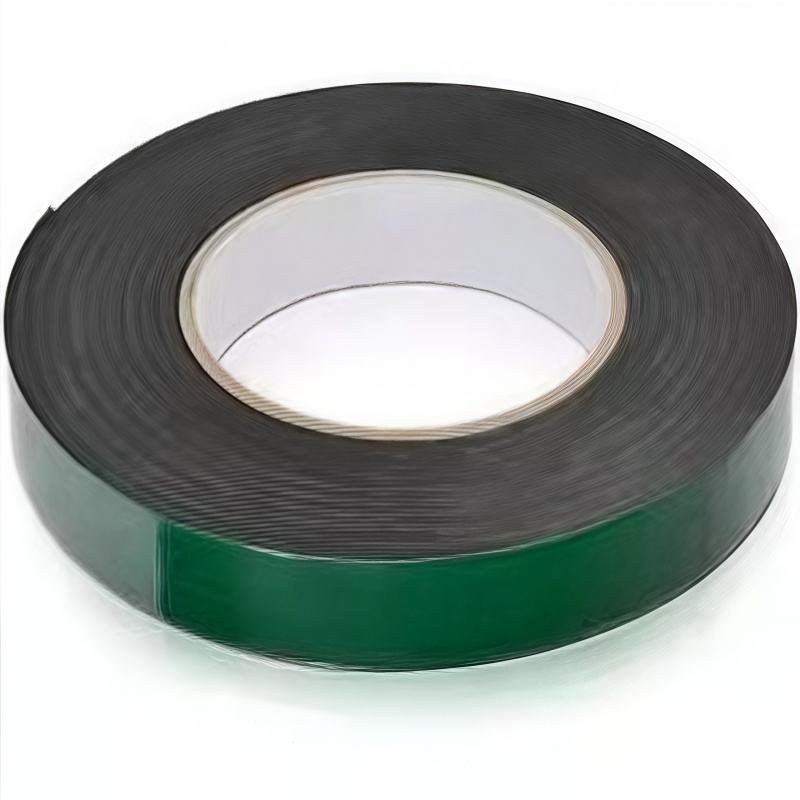
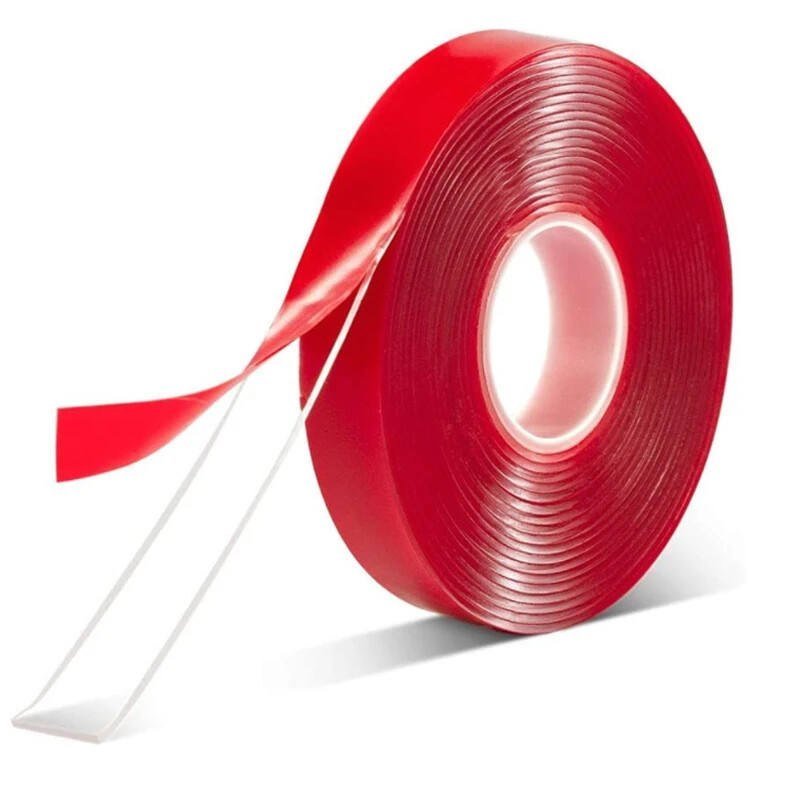
Transfer tape is adhesive with no carrier, coated directly onto a release liner. When the liner is removed, the adhesive film is transferred to the part, which then bonds to a second surface. Because there is no backing, the finished bond line is thinner and more conformable than any double sided tape with a carrier.
That construction suits print finishing, where a 0.05mm adhesive layer can be applied to a folded sheet without showing a ridge, and label converting, where adhesive is laminated to face stock and then die cut.
Matching adhesive to process
Coat weight, not total thickness, is the number to specify. A heavier coat gives more initial tack and better flow into textured paper but is harder to die cut cleanly. The adhesive must also be balanced: high tack to the final substrate, lower release to the liner, or the adhesive will follow the liner instead of transferring.
- Confirm coat weight in grams per square metre
- Check release force against your liner
- Test die cutting at production speed
- Store rolls flat to prevent liner curl
Liner choice is often decided by the converting equipment. A glassine liner releases smoothly and is inexpensive, while a PET film liner resists moisture and stretch during high-speed web handling. Ask for both samples and run them on the actual press before committing to a volume order.
Storage affects transfer tape more than most products. Rolls stored on their side under load can flatten and the liner can curl, which then causes the adhesive to wrinkle during lamination. Keep rolls in their cartons, stacked flat and within the stated temperature range, and use stock within twelve months of production.