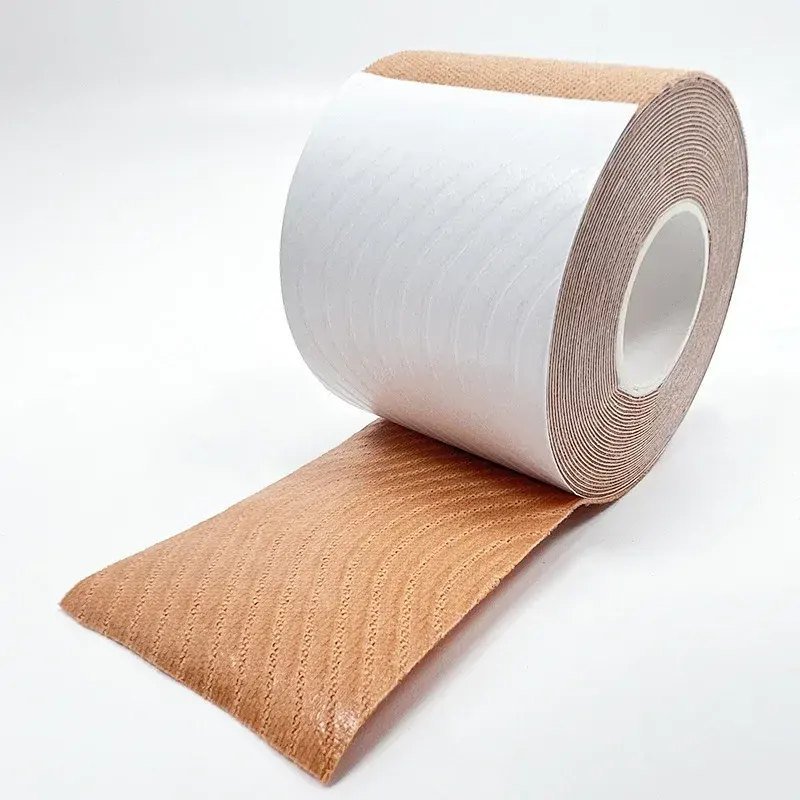
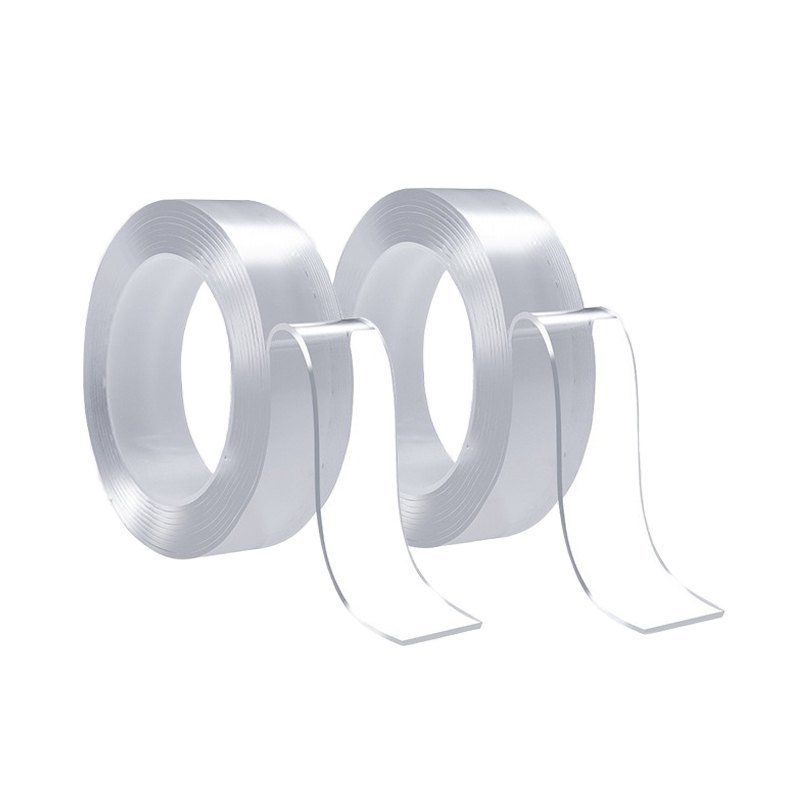
Heat attacks shear, not peel
A bond that feels strong when pulled straight off can slide slowly under a constant load at 45C. Pressure-sensitive adhesives lose modulus as they warm, so a formulation that behaves like a stiff solid at 20C becomes a viscous liquid at 60C. Gravity does the rest, and the part creeps down the wall over weeks.
Rubber-based adhesives soften earlier than acrylics, which is why outdoor and automotive work gravitates to acrylic chemistry. The difference is not marginal: the usable service temperature can differ by 30C or more between two tapes of identical thickness.
Other summer-specific causes
Thermal expansion is the second factor. A metal panel expands several millimetres more than the wall it is bonded to across a day-night cycle, and if the tape cannot absorb that movement, stress concentrates at the bond edge and starts a peel. Foam carriers handle this far better than thin films.
- Specify shear strength at your real surface temperature
- Use acrylic adhesive above 40C service
- Apply in the cooler part of the day
- Choose foam over film where panels are large
Finally, check application pressure. A strip applied cold and lightly pressed never wet out the surface, so it has no reserve when the heat arrives. A roller and a thirty second hold cost little and remove one variable entirely.
If a part is already installed and sagging, the fix is rarely more tape in the same place. Remove the part, clean off the old adhesive, and change to a foam carrier with an acrylic adhesive. Replacing a failed bond with an identical bond simply resets the clock until the next hot week.