Tack level is the main decision
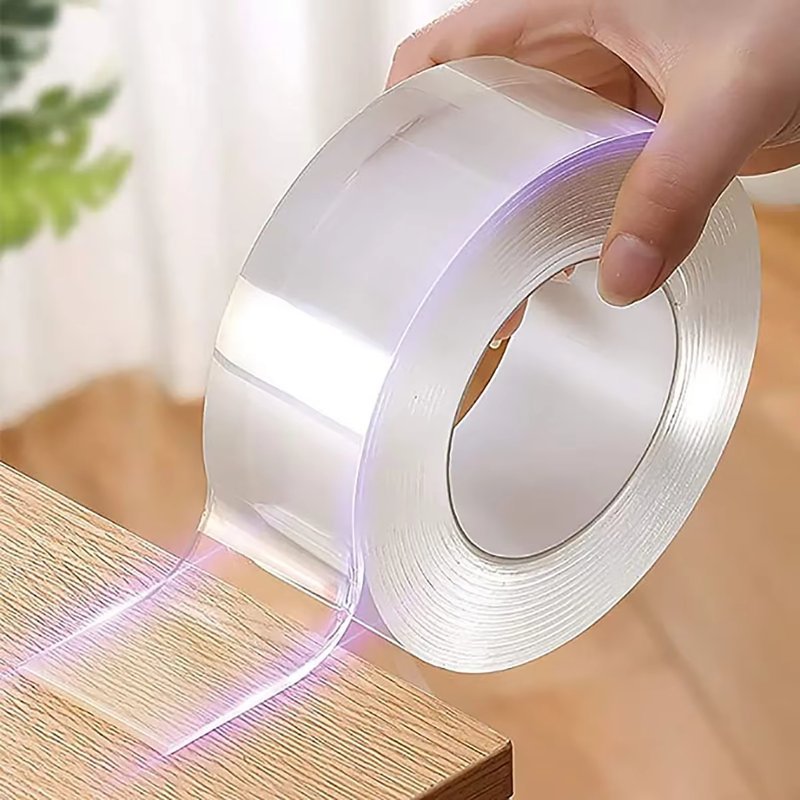
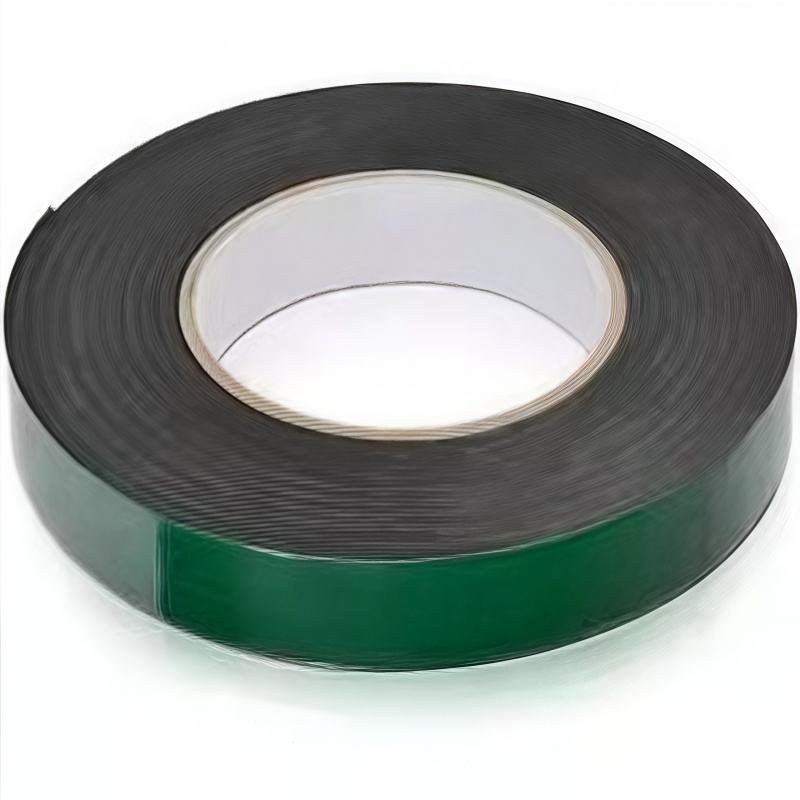
Flooring tape is sold in low, medium and high tack versions, and the correct one depends on whether the floor is permanent or temporary. High tack holds carpet tiles and vinyl planks for years and will pull fibres or lift adhesive when removed. Low tack releases cleanly, which is why exhibition and rental floors use it.
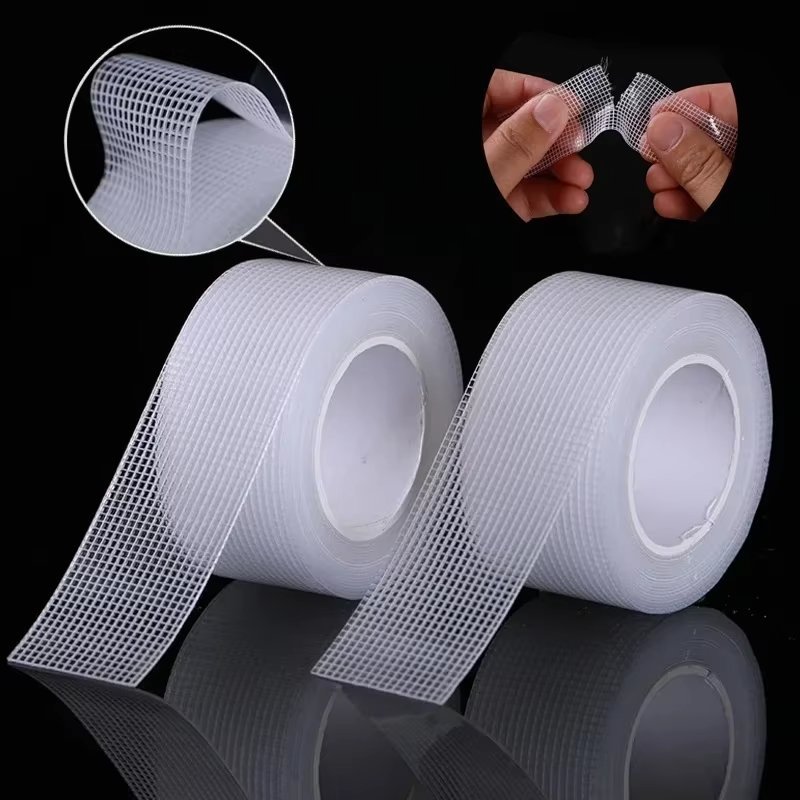
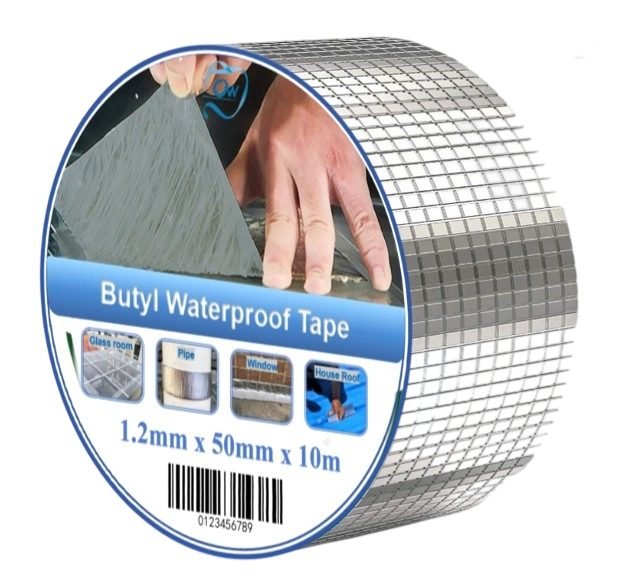
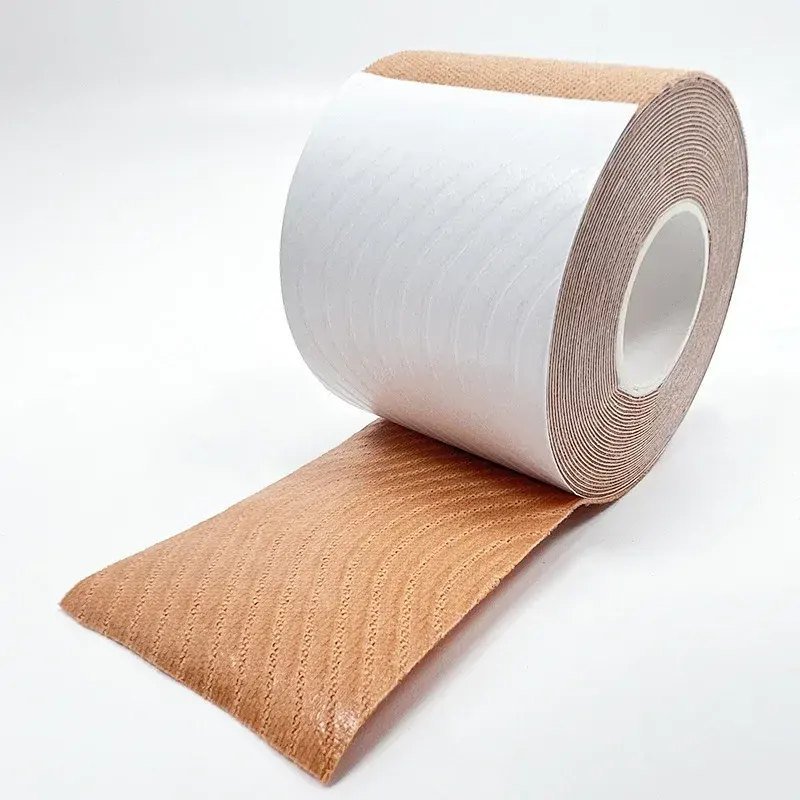
The carrier is usually a cloth or mesh reinforced film. Mesh allows the tape to be torn by hand and gives the adhesive somewhere to anchor under a shear load from foot traffic, while a solid film resists moisture migration better on concrete.
Width, layout and floor condition
Fifty millimetres is the working width for most installations; narrower tape concentrates load and creeps under rolling chairs. Apply tape in a grid rather than only at the perimeter for tiles larger than 500mm, and keep tape away from expansion gaps where the floor must move.
- Concrete must be dry, cured and dust free
- Prime dusty or porous screed before taping
- Press tape with a roller, not a hand
- Leave expansion joints free of tape
Moisture is the most common cause of failure. Adhesive will not bond to a damp slab, and trapped moisture beneath a non-breathing tape can bloom into the carpet backing. Test the slab before installation and allow fresh screed to dry to the supplier specification.
Plan removal at the same time as installation. On raised access floors or short-term lets, specify a removable grade and note it on the order, because switching tack levels after the fact means lifting the floor.