Why acrylic is a difficult surface
Acrylic sheet, whether cast or extruded, has a low surface energy and a very smooth face. Adhesive has little to key into mechanically, so bonding relies almost entirely on chemical compatibility and full wet-out. A general purpose rubber adhesive may feel tacky on contact and still release under a sustained horizontal load.
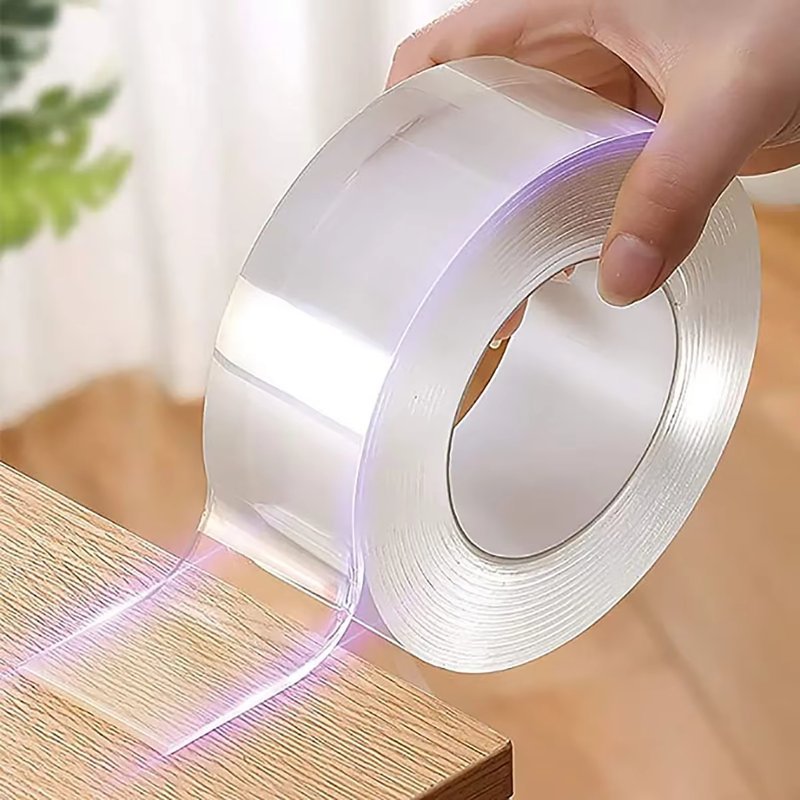
The second risk is appearance. Thin clear tape applied to clear acrylic can show air entrapment, adhesive haze or stress marks, all of which are obvious on a reception wall. Thicker clear carriers hide minor surface irregularity better than a 0.05mm film.
Specifying the right construction
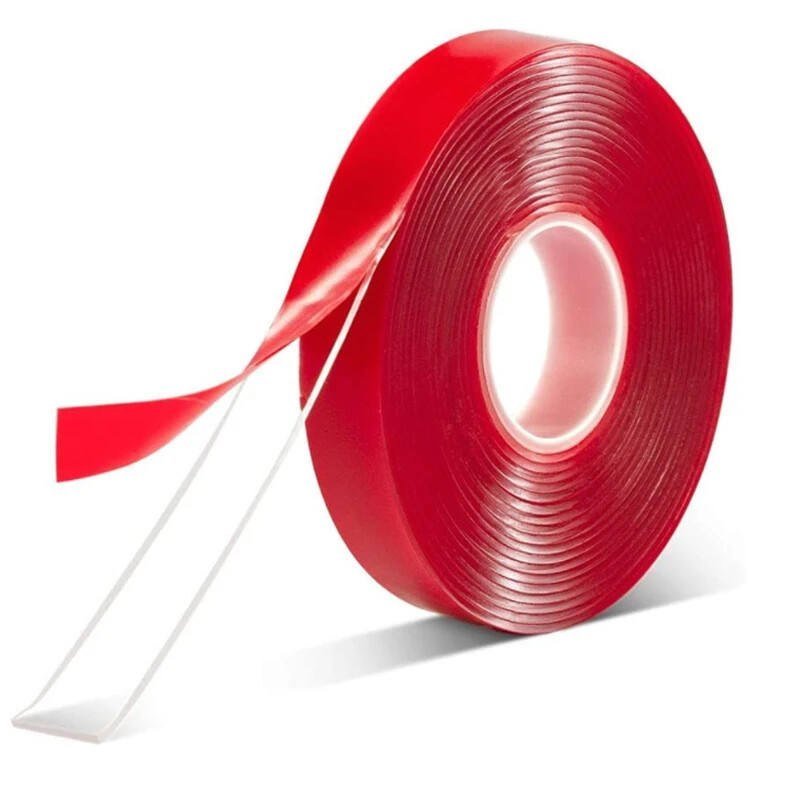
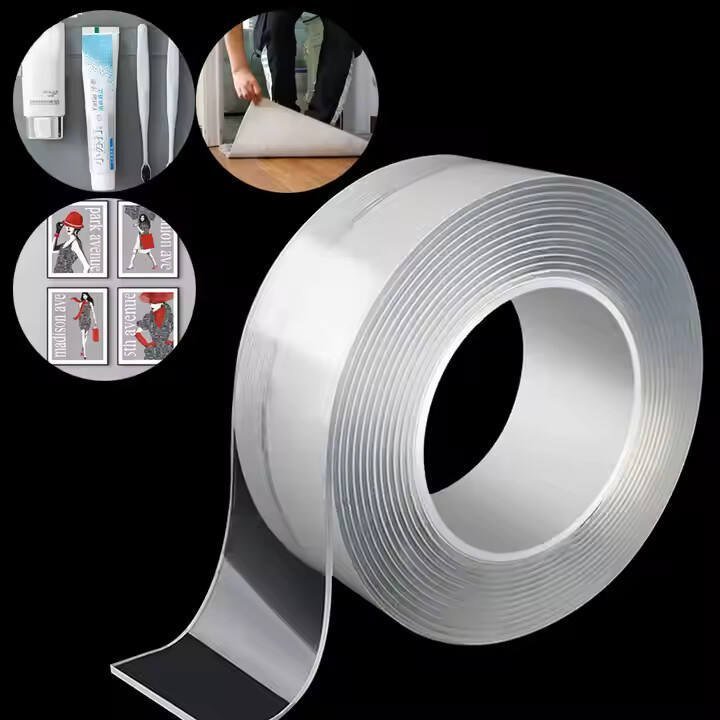
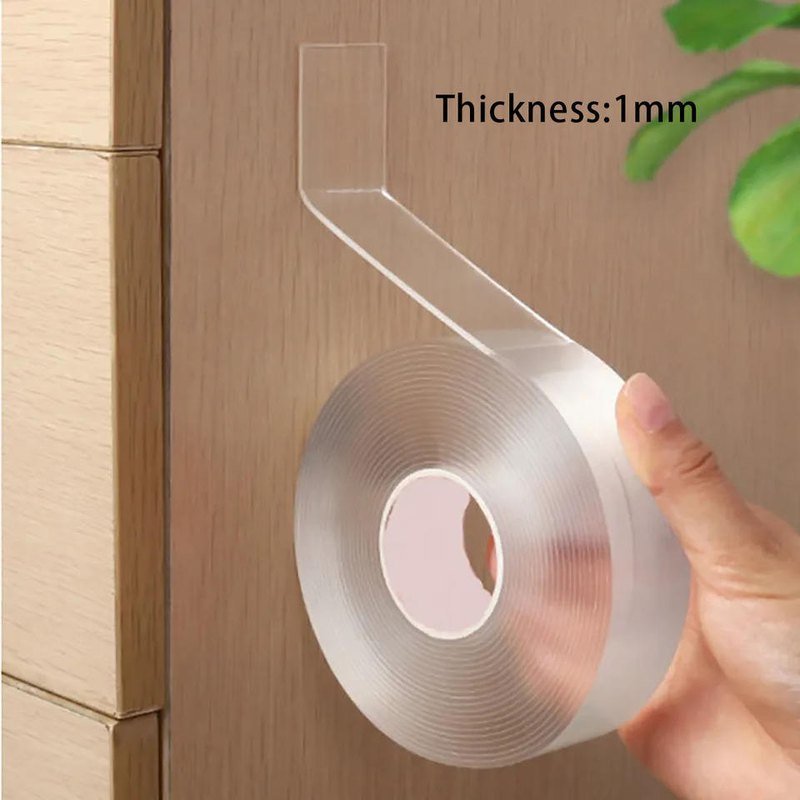
For permanent signage, look for an acrylic adhesive on a PET carrier, or a clear acrylic foam of 0.5mm to 1mm. The foam version distributes load and absorbs the differential expansion between acrylic and a mineral wall. For small, light panels up to about 1kg, a 0.2mm clear tape with a high-shear acrylic adhesive is usually adequate.
- Acrylic adhesive, not rubber, for long-term shear
- 0.5mm to 1mm clear foam for panels over 1kg
- Confirm tape width covers 60 percent of panel height
- Check that the tape will not yellow under UV
Clean both faces with isopropyl alcohol and let them flash off fully, then apply the tape to the panel first, not the wall. Press with a roller at roughly 10 N per centimetre of width, position the panel, and hold pressure for thirty seconds before releasing.