Coloured cloth tape as a marking system
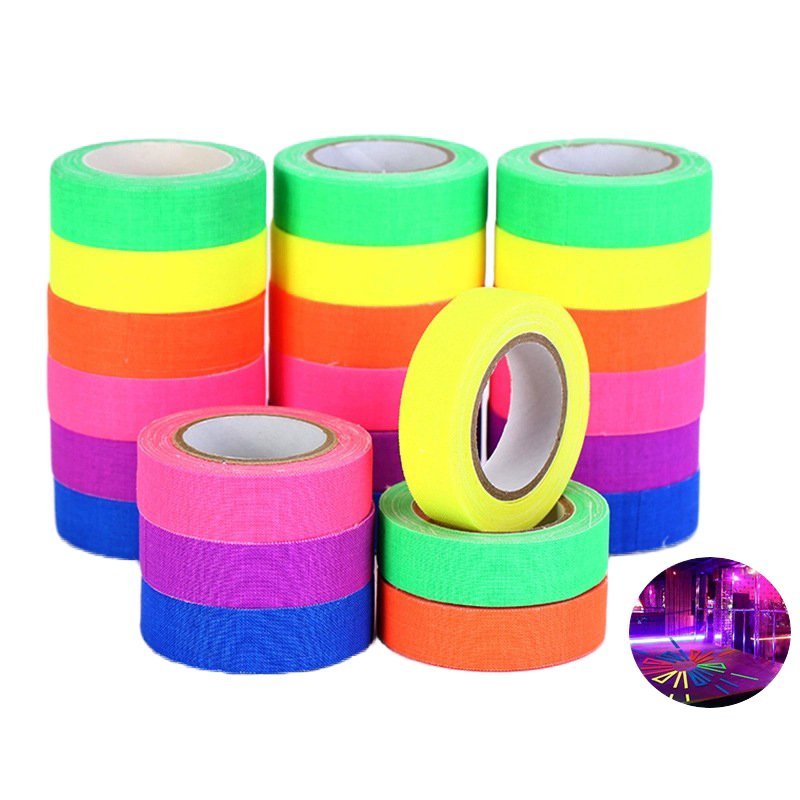
Coloured duct tape is widely used to mark walkways, storage bays, machine footprints and exclusion zones. It goes down fast on concrete, is easy to change when a layout moves, and needs no cure time. It is not a permanent line marking product and should not be sold as one, especially on a site with heavy forklift traffic.
Choosing a grade for a floor
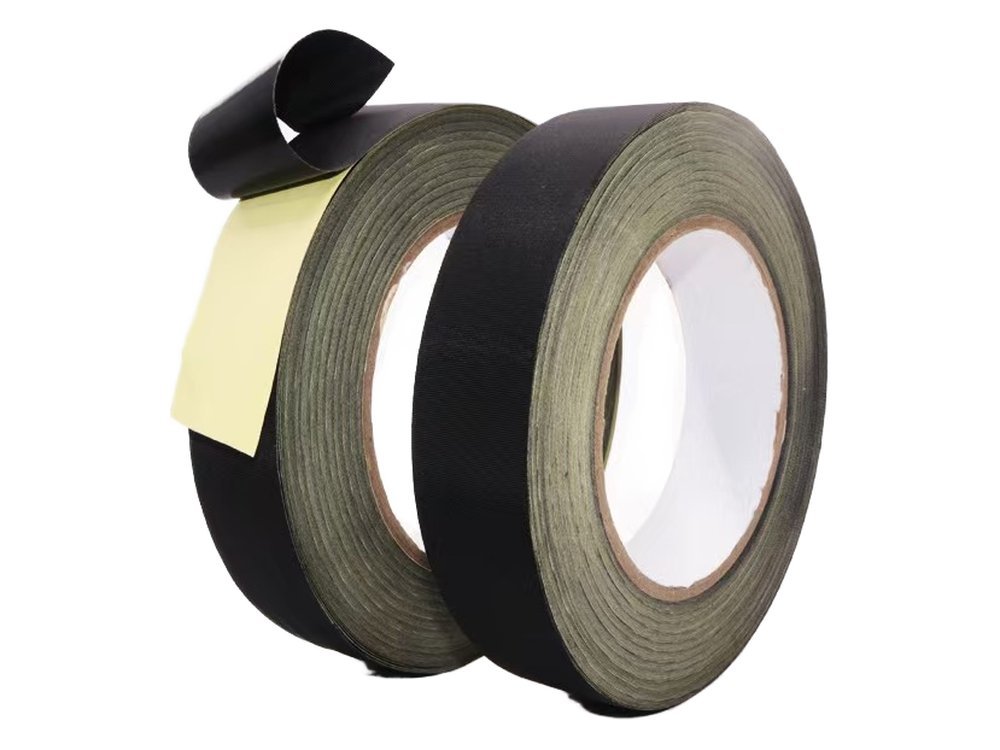
Coloured duct tape for floor marking works best on sealed concrete and epoxy floors, where a rubber adhesive can key into the surface. Dusty or freshly power floated concrete will reject it, and a matte face hides scuffing better than a gloss one under high bay lighting. Match the colour to the site safety code and keep that code consistent.
- Use a rubber adhesive grade on sealed concrete and epoxy floors.
- Avoid dusty or freshly power floated concrete until it has fully cured.
- Choose a matte surface where glare from high bay lighting is a problem.
- Match colour to the site safety code and keep that code consistent.
Application and life expectancy
Sweep, degrease and let the floor dry completely before laying a line. Press the tape with a roller or a pallet truck wheel, and keep traffic off for an hour. Under forklift traffic a temporary line will need replacement at the busiest corners first, so yellow duct tape for walkways is usually specified in a heavier caliper than bay markings.
For a site with several zones, order the colours in one batch so the shade matches across the whole installation, and keep a spare roll of each colour on site for patching after a layout change or a machine move.