A film, not an adhesive
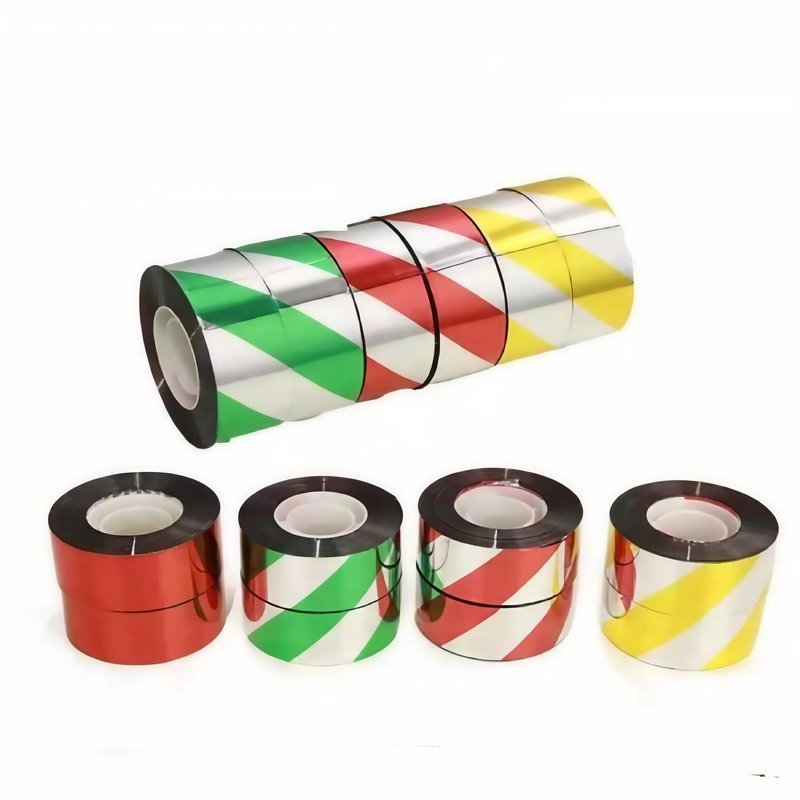
Standard caution tape is an extruded polyethylene film, usually 50 to 75 microns thick and 75 mm wide, supplied on 300 m rolls without any adhesive. It signals a hazard and defines a boundary; it does not stop anyone. That distinction matters, because a barricade of tape alone should never be the only control around an open excavation.
Adhesive-backed caution tape exists for short-term marking on doors, columns and equipment, where tying is impractical. For long runs between posts, the plain film is cheaper, faster and easier to reuse, provided it is tied with enough slack to avoid tearing at the knot.
Tying a line that survives the weather
Wind destroys more barricades than site traffic. A tape run stretched tight between posts acts like a sail and snaps at the tie point, so leave a slight catenary and wrap the end twice around the post before knotting. Space posts at 3 to 4 m; wider spacing sags until the legend faces the ground.
- Wrap the tie point, then knot, so the film bears on itself
- Run two heights on long boundaries, at 900 mm and 1500 mm
- Replace any section that has faded or torn, rather than knotting it
- Add hard barriers where the public can reach the line
Legibility is part of compliance. A repeated legend reading CAUTION or DANGER in high-contrast print is what a safety inspector looks for, and a blank yellow line communicates far less. Check that the print is on the outside of the roll, so the message faces outward as the tape unwinds.
UV exposure embrittles polyethylene within a few months outdoors, which is why construction grades are sold as temporary. For long projects, specify a UV-stabilised film and expect to replace runs at the site perimeter. Rolls ship 12 to 24 per carton, and mixed colour cartons are common for site suppliers.