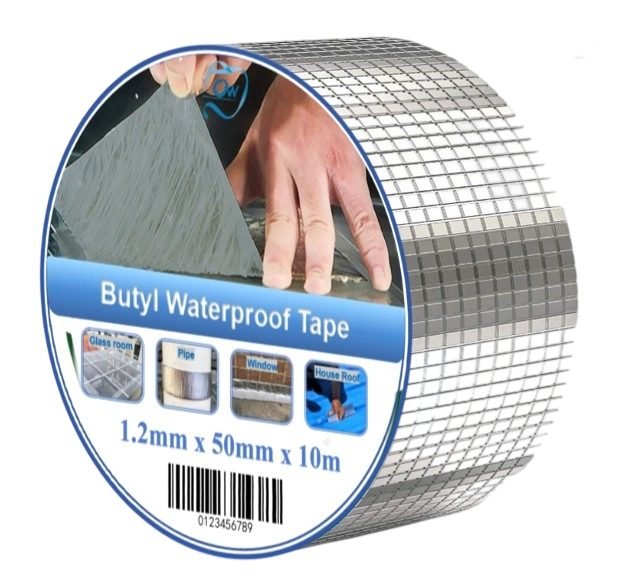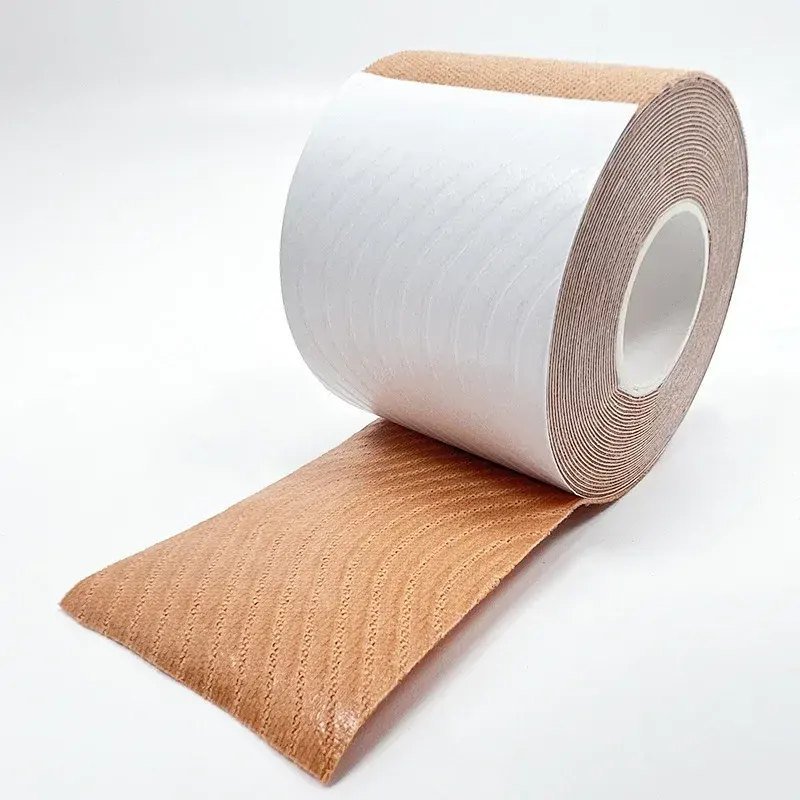
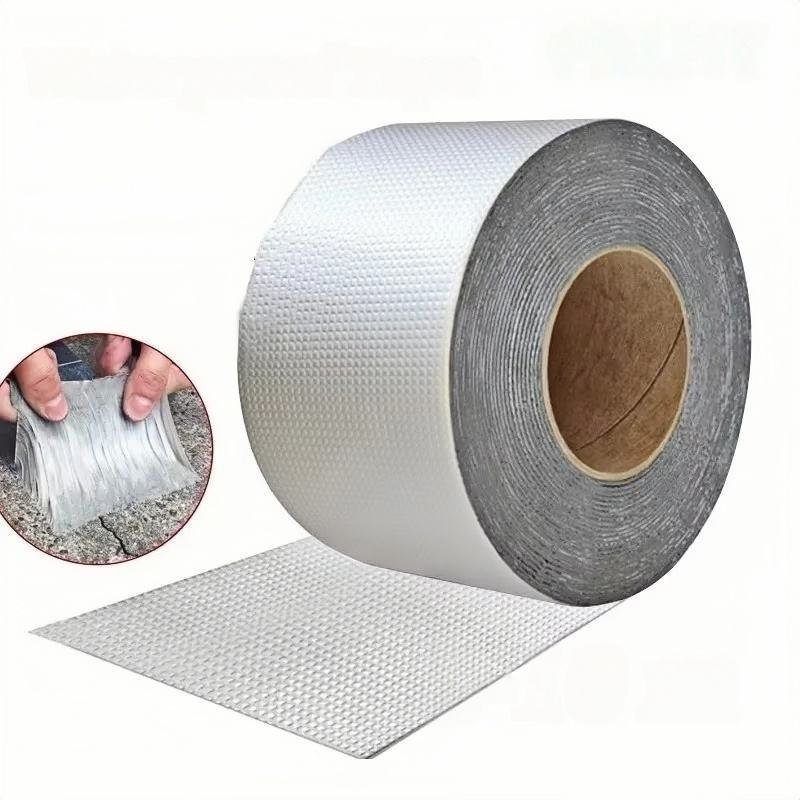
They solve different problems
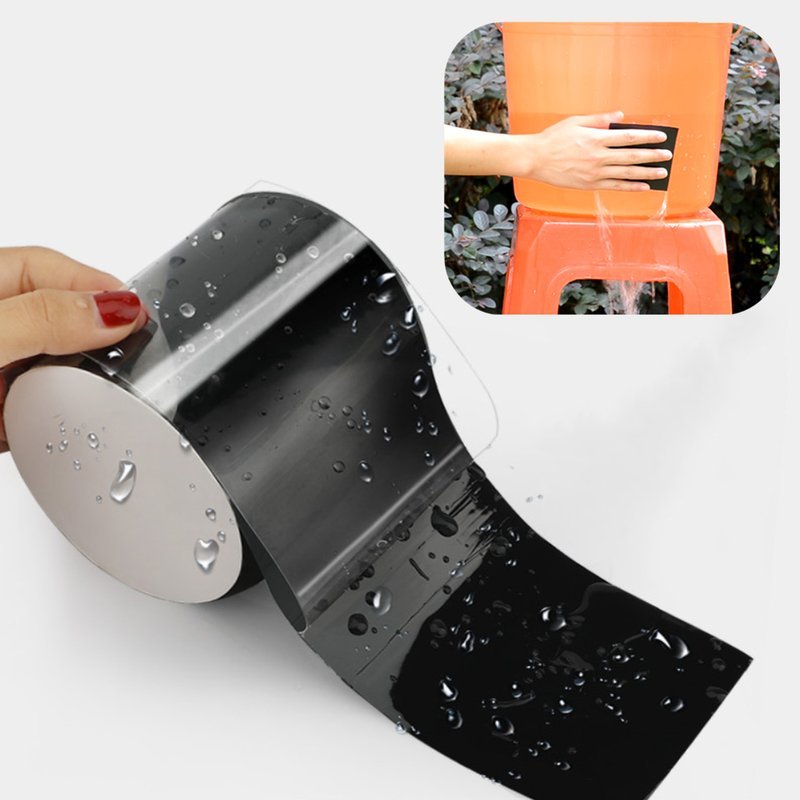
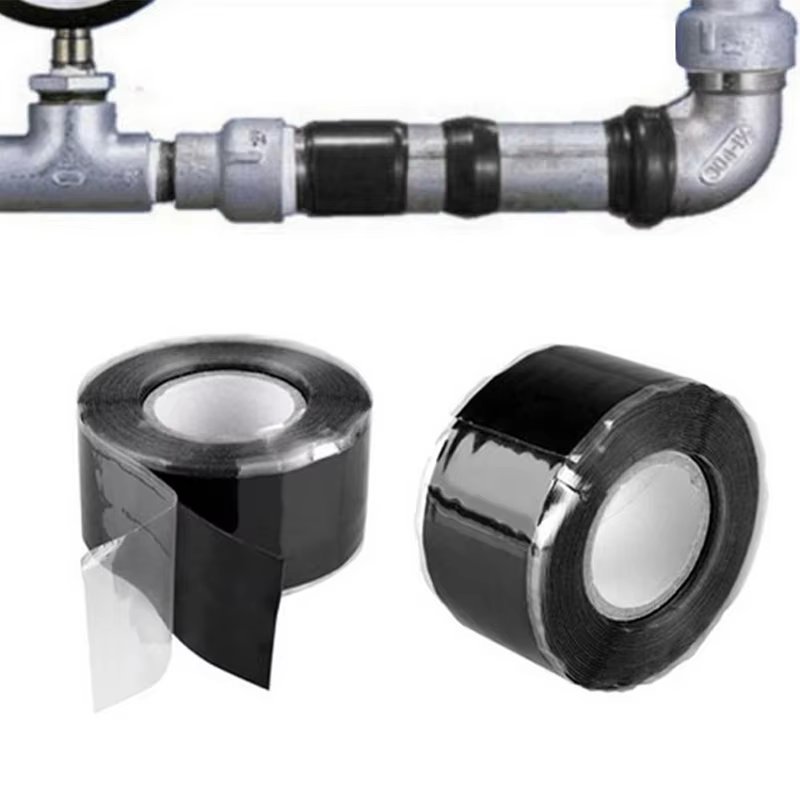
Butyl tape is an adhesive: it sticks to a surface and stays tacky. Silicone tape is cohesive: it has little adhesion to anything except itself, and works by fusing into a rubber sleeve under tension. That single difference explains almost every practical distinction between the two in repair work.
If the repair needs to bridge a gap, fill a pit or bond to a rough substrate, butyl wins. If it needs to wrap a smooth pipe under pressure or insulate an electrical joint, silicone is the better tool, because a sleeve hugs the shape rather than sitting on top of it.
Temperature and weather
Silicone holds elasticity from about -50 to 200 degrees Celsius and resists UV almost indefinitely, which makes it the choice for exhausts, heaters and outdoor joints. Butyl softens above roughly 90 degrees Celsius and needs a foil facing to survive sunlight, but it tolerates permanent immersion better than silicone.
- Butyl: rough surfaces, gaps, roofing, gutters, submerged patches
- Silicone: pipes, hoses, electrical joints, high temperature
- Butyl: removable with solvent, though residue is stubborn
- Silicone: must be cut off, since nothing dissolves a fused layer
Cost per metre favours butyl in most widths, and it is easier to teach. Silicone demands consistent tension, and a wrap applied loosely will not fuse at all. On a maintenance van, both belong on the shelf, and the choice should follow the surface rather than the price.
When specifying either tape, state the service temperature, whether the joint is submerged, and the substrate material. A supplier quoting only width and thickness without those three answers is describing a commodity, not a repair solution.