
What the three numbers describe
A roll marked 48mm x 100m x 45 micron is stating three independent facts: the coated width of the tape, the length wound on the core, and the combined thickness of film plus adhesive. Buyers often compare rolls on price alone, which hides the fact that two rolls of equal width and length can carry very different adhesive mass. Reading the label properly is the fastest way to compare quotations from different suppliers.
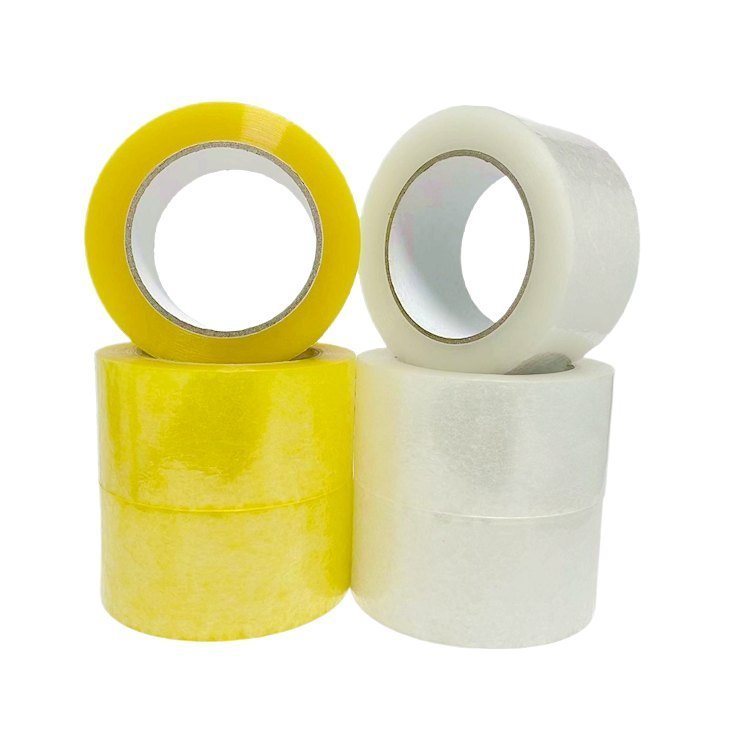
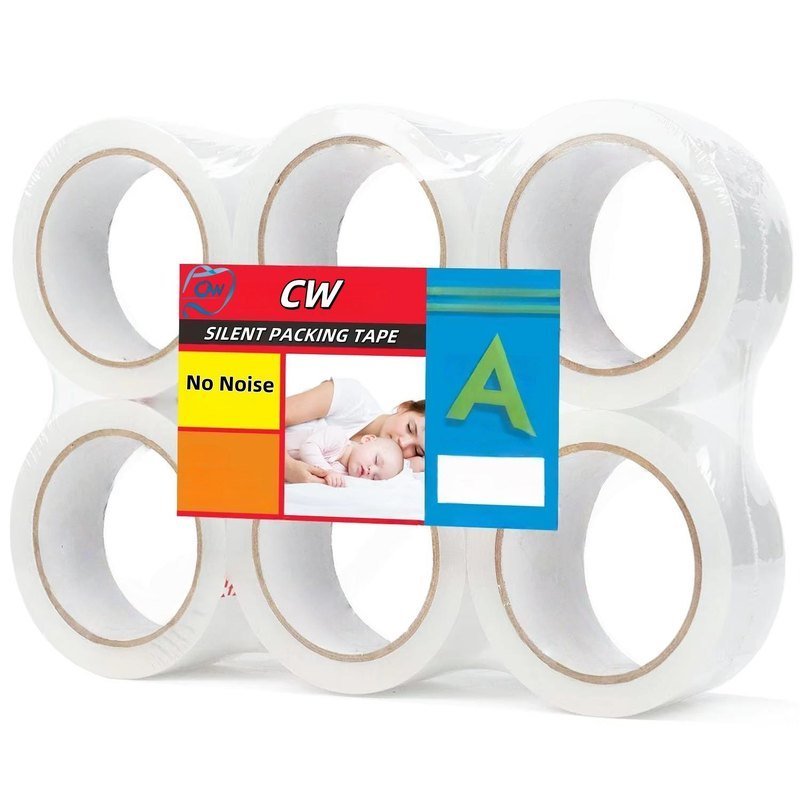
BOPP packing tape begins as biaxially oriented polypropylene film. The stretching process aligns the polymer chains in both directions, so a narrow strip can hold a carton closed without stretching thin at the seam. The adhesive is usually acrylic, hot melt or natural rubber, and that single choice decides how the tape behaves in a cold room, on dusty recycled board, and after a year in a warm warehouse.
Where each number changes performance
Width governs how much load a strip carries and how much of the carton seam is covered. 48mm is the carton-sealing standard, 72mm suits heavy or oversized boxes, and 24mm to 36mm suits light mailers. Length is a purchasing convenience rather than a strength figure, but it decides how many cartons one roll will close and how often operators stop to reload.
- 48mm: general carton sealing, hand or machine
- 72mm: heavy boxes, high-value goods, rough handling
- 45 to 50 micron: standard machine grade
- 28 to 40 micron: light hand-held work
On a purchase order, state width, length, micron, adhesive type and core diameter together, then add the carton weight and whether sealing is by hand or automatic. A line that says only 48mm x 100m leaves adhesive mass, the variable that most affects performance, entirely open to interpretation.