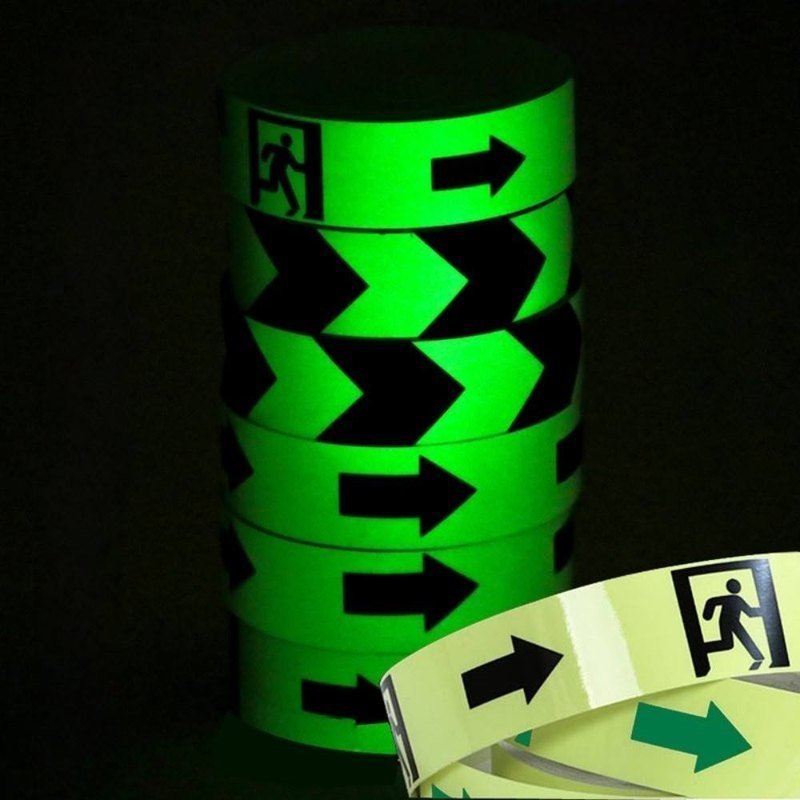
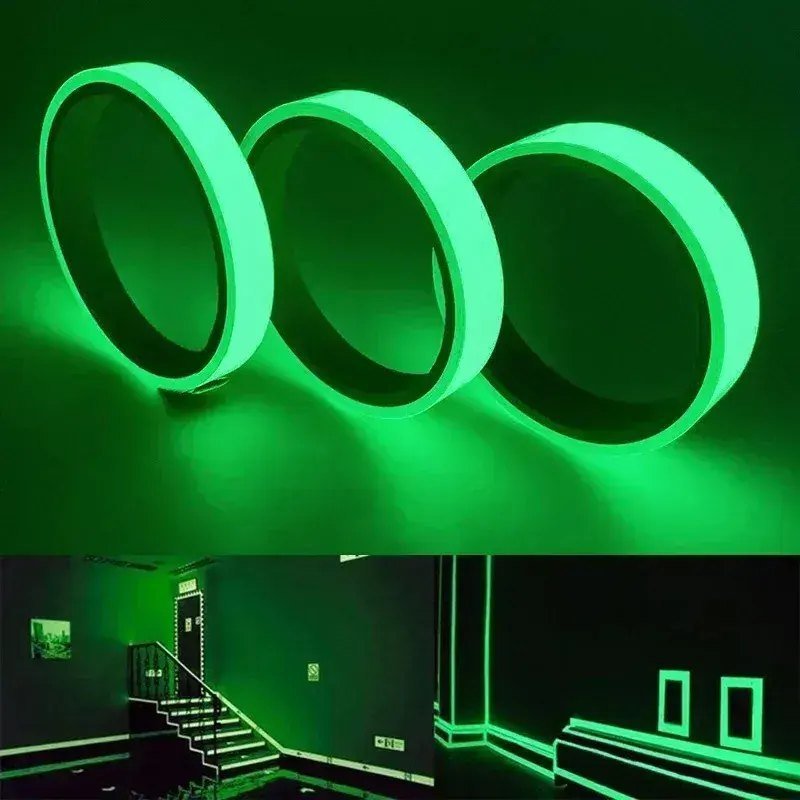
Glow tape on concrete struggles with dust, the enemy of every pressure-sensitive adhesive. Fresh concrete also has a high surface pH, which can attack some adhesives over time, and curing compounds leave a waxy film that prevents bonding altogether. Grind or wire-brush the area, remove dust with a vacuum rather than a broom, and use a primer designed for porous mineral surfaces.
Photoluminescent tape on steel: test the coating
On a painted column, the tape bonds to the paint, not to the steel. If the coating is chalking, blistering or poorly adhered, the tape will fail with the paint attached. Press a strip of ordinary tape onto the coating and pull it sharply as a quick check. A powder-coated surface is usually sound but slick, so a light abrade and a solvent wipe improve the bond.
- Apply above 10 degrees Celsius, preferably 15 to 30
- Use a hard roller, not hand pressure, on every strip
- Avoid stretching the tape around corners; cut and butt instead
- Seal exposed edges in washdown or outdoor areas
How to apply glow in the dark tape
Mark the line with a chalk line or laser, cut strips to length with a sharp blade, and dry-fit before removing the liner. Peel 100 to 150 mm of liner, anchor that end, and work along the strip while peeling the rest. Roll immediately. On long runs, two people are faster and produce a straighter line than one person working alone.
Curing and inspection
Adhesive strength continues to build for about 24 hours, so avoid cleaning or heavy traffic on the day of installation. Inspect the next morning for lifted ends and bubbles, and press any suspect area with a roller. In cool or damp conditions, allow 48 hours before the area is washed, and record the installation date so the maintenance team can track performance.