Why tape suits a 5S layout
A 5S programme changes the floor plan often in the first year, and painted lines cannot keep up. Floor tape lets a team mark an aisle, live with it for a month, and move it without grinding. The trade-off is durability, so tape is usually reserved for walkways, work cells and shadow boards rather than forklift routes.
Look for a low-residue adhesive if lines will be repositioned. Standard rubber adhesive grips well but leaves a gum line that collects dust, while a removable acrylic lifts cleanly for six to twelve months. On a floor that is cleaned daily with a scrubber dryer, edge sealing matters more than initial tack.
Widths and layout
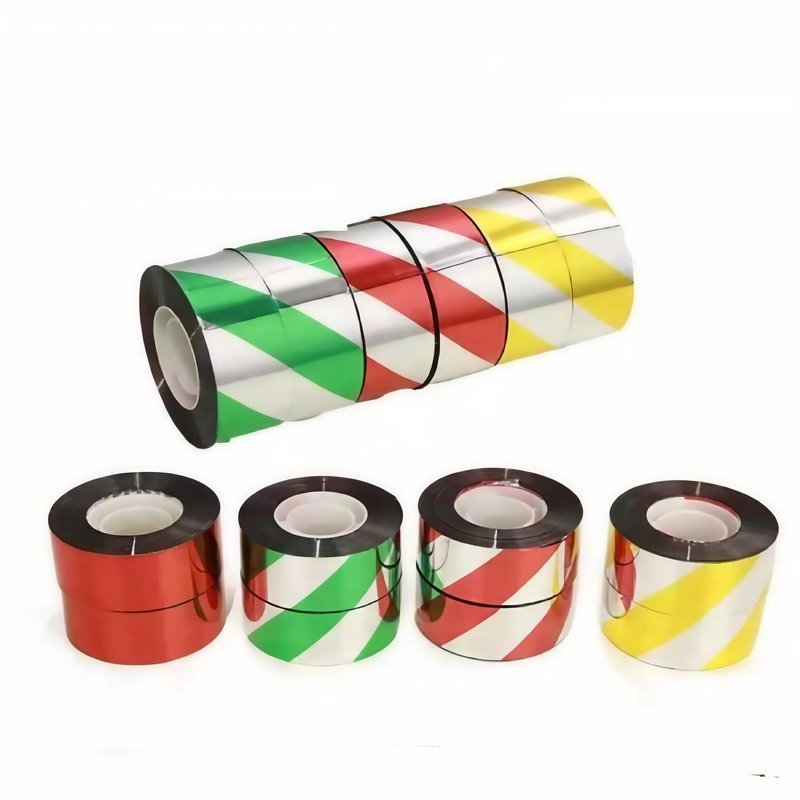
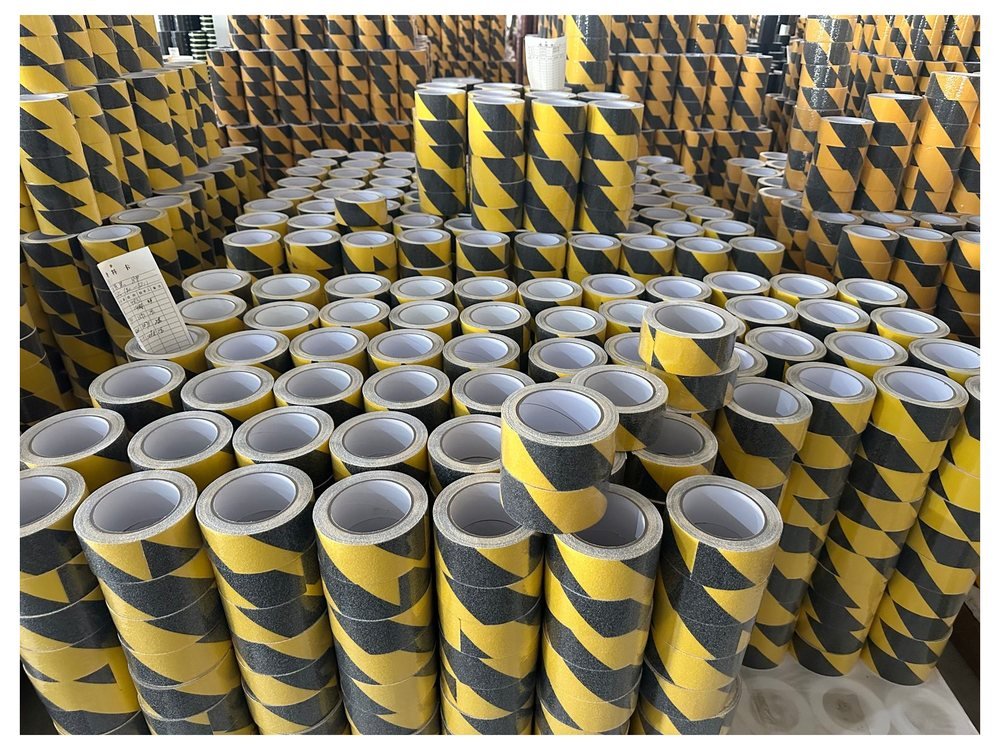
A 50 mm line reads as a boundary, 75 mm is the common choice for pedestrian walkways, and 100 mm suits vehicle routes and staging areas. Corners should be mitred rather than overlapped, because a double thickness at the corner is the first piece to lift under a trolley wheel. Hatched tape marks a no-go zone without painting it.
- Clean with a neutral degreaser and let the slab dry fully
- Snap a chalk line first; a wandering aisle is worse than no aisle
- Burnish the full length with a roller after laying
- Re-press edges weekly for the first month of traffic
Colour discipline is what makes the layout readable. Keep yellow for walkway edges and hazard zones, red for fire equipment and prohibited areas, and white or green for storage positions. Printing the standard on the wall beside the line removes the daily argument about which shade belongs where.
For a plant rollout, tape is ordered in 33 m rolls, 12 to 48 rolls per carton, and the carton should carry the colour and width on the outside. Mixed pallets of three widths cover a typical bay without leaving a rack of unused 100 mm rolls.