Two chemistries, two failure curves
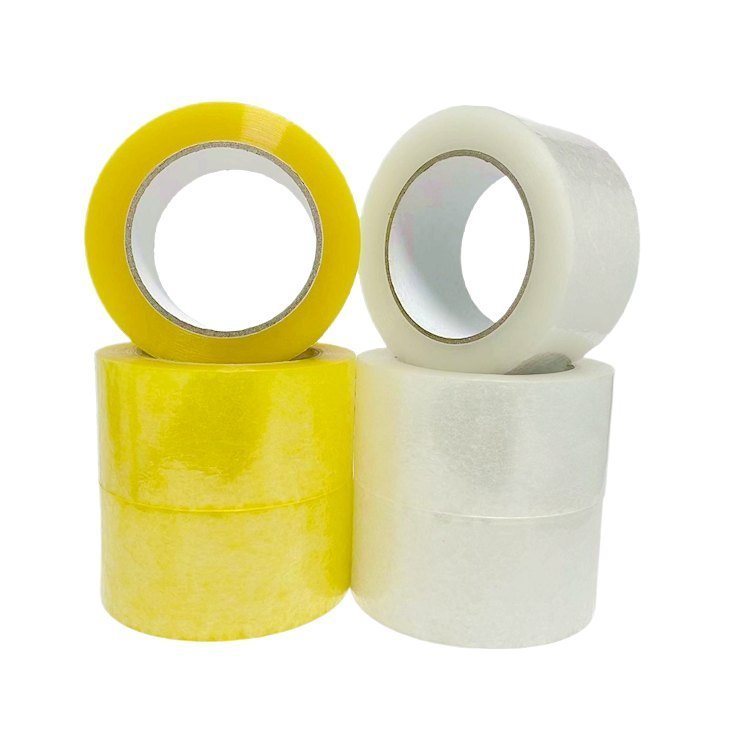
Hot melt adhesive is a thermoplastic rubber blended with tackifying resin. It flows easily under light pressure, which gives the aggressive initial grab that operators like on a fast sealing line. That same softness is its weakness in the cold: below about 5C the adhesive hardens, loses wet-out and can lift at the edges before the box reaches the pallet.
Acrylic adhesive is a polymer that stays flexible across a wider temperature band. It feels less tacky at room temperature and needs firm pressure to bond, but once applied it holds through freezing conditions and resists ageing, UV and the plasticisers that migrate out of recycled board.
Applying tape in a cold room
The temperature of the tape at the moment of application matters more than the temperature of the goods. Adhesive cannot wet a surface it cannot flow across, so a roll stored at minus 18C will underperform even if the carton is sealed in a warm dispatch area. Let rolls acclimatise, and keep the working roll in a heated cabinet if the line runs cold.
- Condition rolls above 10C before use
- Apply firm, even pressure along the full strip
- Prefer acrylic for freezer and chilled dispatch
- Test on your own board, not on a sample box
Hot melt still wins on recycled and dusty board at ambient temperature, where its tack cuts through contamination. Many plants therefore keep both grades: hot melt for general dispatch, acrylic for anything entering the cold chain.